
Birds of a feather flock together: meaning, and is it true?
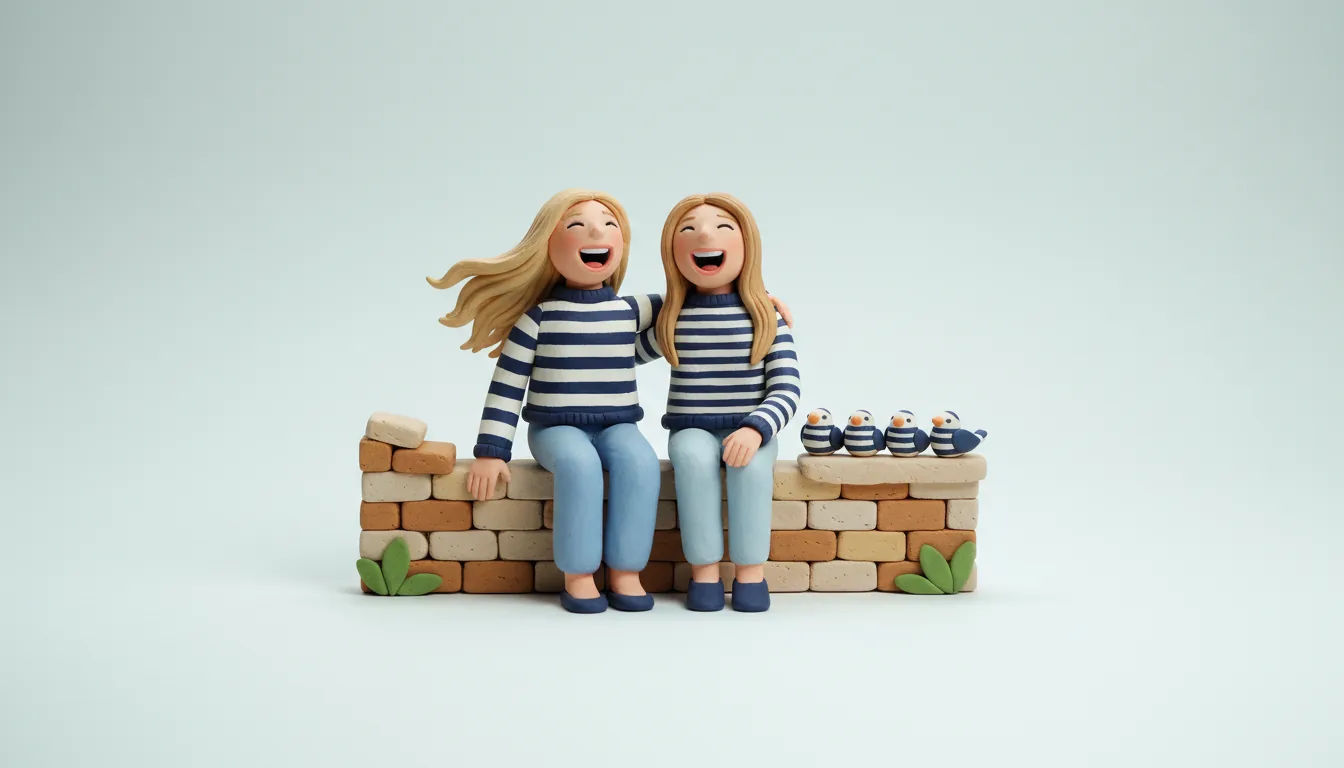
"Birds of a feather flock together" means that people who are alike tend to spend time together. People with the same interests, values, background or habits find each other and form groups, the way birds of one kind fly in one flock. The saying is partly true. Being alike makes it easy to start a friendship, and whether it keeps two people close depends on which kind of likeness they share.
An example: when Hana was twelve, her grandmother watched her new friends troop through the kitchen: four girls with the same backpack, the same haircut and the same laugh. "Birds of a feather flock together," her grandmother said, and went back to her soup. Twenty years later Hana still sees most of those friends. The one she calls first, though, is Bea, who disagrees with her about nearly everything.
What does "birds of a feather flock together" mean?
The saying describes similar people choosing each other's company. Friends with the same hobbies, couples with the same values and neighbors with the same sense of humor all fit it. The short form, "birds of a feather," describes such people directly: "Those two are birds of a feather."
You will hear a few versions:
- Birds of the same feather flock together. The same meaning in slightly different words.
- Birds of a feather stick together. This one leans toward loyalty: similar people back each other up.
- Two birds of a feather. Two people who are very alike, often said playfully about best friends or a couple.
People also mix up the words, so "a bird of feather flock together" and "birds of the feather" show up too. They all point to the same idea.
Where the saying comes from
The proverb has been in English since the 1500s. An early form from 1545 reads "byrdes of on kynde and color flok and flye allwayes together," and the modern wording was in print by 1599. It comes from a simple observation of nature: many birds gather in flocks of their own kind. Starlings fly with starlings and geese with geese. People saw the same pattern in their towns and villages and borrowed the picture. Many other languages have a proverb with the same idea.
Is it praise or a warning?
It depends on who says it and how. Said warmly, it means "you have found your people." Said with a raised eyebrow, it means "you are like the company you keep," and it often comes from a parent who is worried about a new group of friends. In that sense it sits close to another old line: "Tell me who your friends are, and I will tell you who you are."
Do similar people really get along better?
In some ways, yes. Similar people:
- understand each other quickly, because they share references and ways of speaking;
- enjoy the same activities, so making plans is easy;
- share values, which helps with the big choices in a long friendship or a marriage;
- laugh at the same things, and laughing together brings people closer fast.
That is why so many friendships start with "you like that too?" A shared interest is the easiest way into a friendship, and shared values are often what keep it going.
Where you live and what you do play a part too. Researchers call the pattern homophily. People meet at the same school, club or street, so the people you get to know are often a lot like you before you choose anyone.
Where being alike stops helping
Similar people also share the same weak spots. Two friends who both hate planning will talk about a trip for years and never book it. Two partners who both avoid hard conversations will keep the peace and leave the problem where it is.
Relationship types show this clearly. When two people have the same type, Typeza calls their relationship Identity: they get each other right away, and they also get stuck in the same places. In a Kindred relationship, two people share goals and outlook but go about things in different ways, which makes talking easy and doing things together harder. Looking alike on the surface tells you little about which of these you have.
The kind of likeness that matters
What seems to matter most is sharing values: what you find important, what a good day looks like, what you laugh at. Sharing the same strengths matters less, and sometimes it gets in the way.
The relationship that fits best for partners and close friends, Duality, joins two people who value similar things and are strong in different areas. Each does easily what the other finds hard. From the outside such a pair can look like opposites, and the word misleads: they share the same idea of a good life and bring different skills to it. Do opposites attract? explains why this fit often goes unnoticed at first.
So Hana and Bea may be more alike than they look. They argue about films and politics, and they agree completely on how a friend should behave when things go wrong.
Birds of a feather, or opposites attract?
Both sayings are half right.
- Birds of a feather holds true for values, humor and lifestyle. People whose values clash often struggle to stay close.
- Opposites attract holds true for first impressions. Someone very different can feel exciting, and the excitement often fades if nothing else holds you together.
The pairs that last tend to have a bit of both: alike in what they care about, different in what they do well. That is also why a strong first spark says less than people think. Chemistry vs compatibility looks at that difference.
Do friends become more alike over time?
Often they do. Friends pick up each other's phrases, music and habits. Part of a flock is something you build together.
The core of a person stays, though. Two friends can share a hundred jokes and still handle stress, decisions and feelings in very different ways. The kindred spirit feeling, when someone just gets you, usually comes from what you share at that core, and much less from a shared taste in music.
Show me your friends, and I'll show you your future
Another saying takes the old proverb one step further: "Show me your friends, and I'll show you your future." People often shorten it to "you are who you hang out with." The idea is that habits spread through a friend group. If your closest friends save money, run on weekends or read before bed, you may start too. If they stay out every night or cancel plans at the last minute, that pulls on you as well.
There is truth in it. You copy what feels normal, and normal is set by the people you see most. Friends also shape what you think is possible. A friend who changed careers at forty makes your own big change feel less wild.
What friends don't change is your personality type. A quiet person in a loud group stays quiet at heart and may just learn to speak up a little more. So the saying works best as a nudge. Choose friends whose habits you'd be glad to catch, and keep the ones who like you as you are.
Find out how alike you and your friend really are
Hana and Bea look like two very different birds, and their relationship type may tell another story. The free friendship compatibility test begins with you: pairs of statements, where you choose the one that fits you better each time. Your type is shown the moment you finish. Then make a free account and send the same test from your result to the friend who seems just like you, or to the one who seems like your opposite. They answer about themselves, and a free account at the end keeps the result for you both. You then learn which of the 16 relationship types your friendship belongs to, with a one-line summary and a picture of how the friendship feels for both of you.
Questions people ask
Is it true that birds of a feather flock together?
Mostly, yes. People tend to make friends with others who share their interests, background and values, partly because they meet in the same places. Whether those friendships last depends more on shared values, and on how two personalities fit, than on shared hobbies.
What does birds of a feather flock together mean?
Like seeks like. People with a lot in common end up in the same group of friends.
Is "birds of a feather flock together" positive or negative?
It can be either. Said warmly, it celebrates friends who belong together. Said as a warning, it suggests that you are like the people you spend time with, for better or worse.
What does two birds of a feather mean?
It describes two people who are very much alike in their interests, tastes or behavior. People often say it playfully about best friends or a couple.
What is the opposite of birds of a feather flock together?
The usual opposite is "opposites attract," the idea that people are drawn to those unlike them. In practice, many lasting pairs share values and differ in strengths.
Do similar people make better friends?
Similar interests make it easy to start a friendship, and shared values help it last. Having exactly the same strengths can leave both friends stuck in the same places, so some difference helps.
Is it true that you are who you hang out with?
Partly. Habits, tastes and plans spread between close friends, so the people you see most do shape your days. Your personality underneath stays your own, and friends change what you do more than who you are.
Sources
- The Phrase Finder, "Birds of a feather flock together". William Turner's 1545 version and John Minsheu's 1599 "Birdes of a feather will flocke togither."
- Wikipedia, "Homophily". People's tendency to bond with similar others, and how living close by and meeting at school or work feed it. It cites the review by McPherson, Smith-Lovin and Cook, "Birds of a Feather: Homophily in Social Networks" (2001).
Written by Virko Kask, founder of Typeza
Written with the help of AI tools.
One question for two, every week
A question to ask your partner, friend or family, and how different types tend to answer it.
Free. Unsubscribe any time.