It's such a relief to finally understand yourself.
Free Personality Test
10 minutes to see exactly who you are and who you click with.
Tap the one that fits you better
How it works
Three steps to your type and the people around it
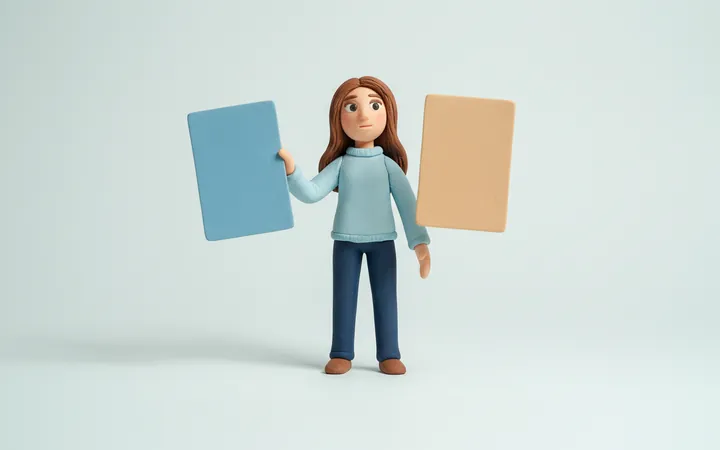
Answer pairs of statements
Two statements each time. Pick the one that fits - no neutral middle.
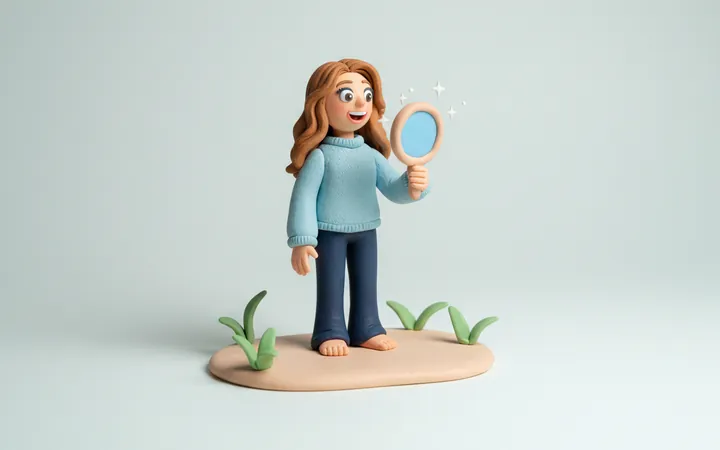
Get your type
All 15 dichotomies scored at once, one of 16 types out.

See how you click
Invite people. They type themselves, and the pairing shows up.
Taking it with someone? How the compatibility test works
What it measures
Socionics starts from the same four Jungian dichotomies most personality tests use, then derives 11 more - the Reinin dichotomies - from how those four combine. This test measures all 15.
The point is not the label. Each pair of types has a defined relationship, and that is what the rest of Typeza is built on.
Why the result holds up
One answer never decides your type.
Weighed together
A weak answer gets outvoted, not obeyed.
The derived traits re-test the four
Same type, asked from completely different angles.
Confidence shown, last word yours
Nothing is locked to you by an algorithm.
The 16 types
Every profile is free to read in full, before or after you take the test.
















Questions people ask
Yes. This online personality test is free and unlimited - take it as many times as you like, with no card and no trial period. All 16 type profiles and all 16 relationship descriptions are free to read in full as well.
You can answer every question without one. Creating a free account is what saves your personality test results and shows you your type, so it is there when you come back.
About 10 minutes. Each question is a choice between two statements rather than something to write.
Like most personality assessments, it starts from four Jungian dichotomies - extraversion/introversion, intuition/sensing, thinking/feeling, judging/perceiving - and adds the 11 Reinin dichotomies derived from them. Those 15 traits together identify one of 16 socionics types.
English is the main language, with more added over time.
Based on classical socionics theory - a description of typical patterns between types, not relationship advice or a prediction for your relationship. Terms of Service