
Communication styles in relationships and how to bridge them
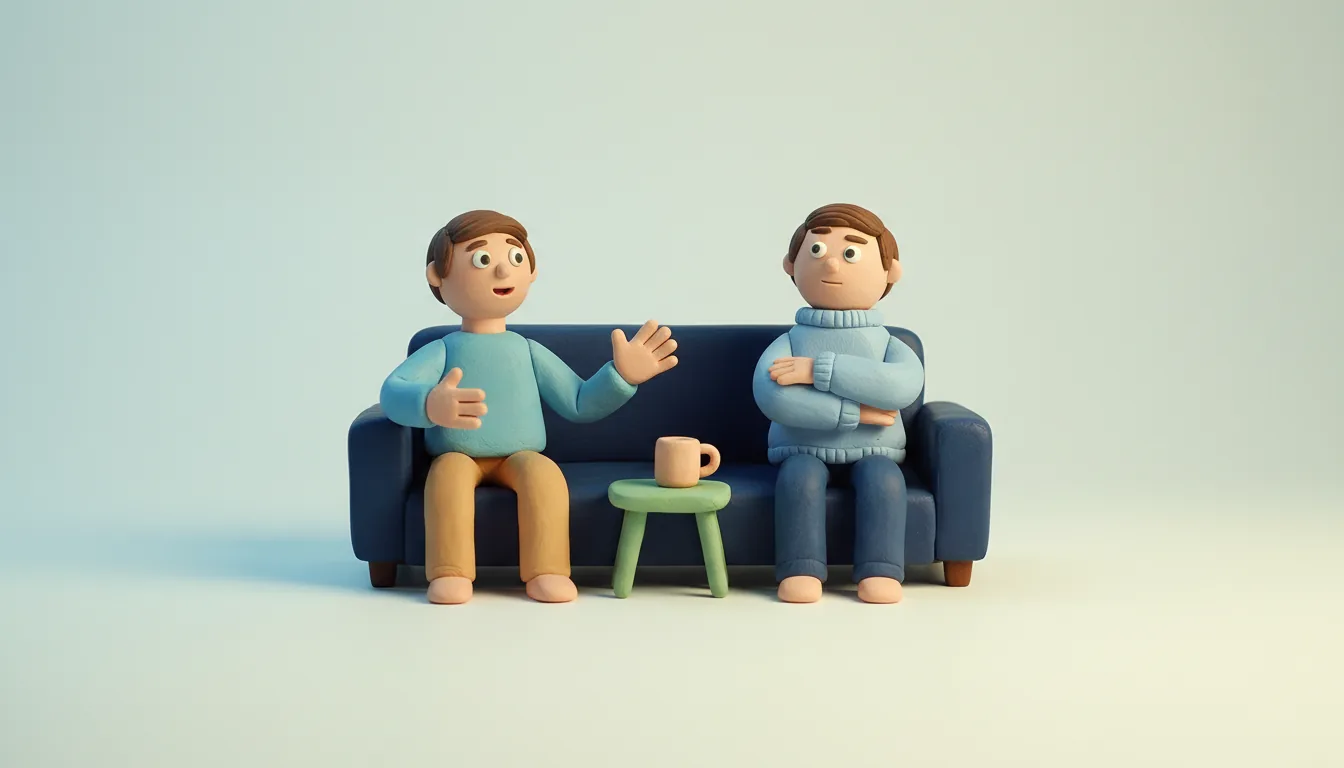
One partner wants to talk things through right away. The other needs time alone to think. One explains with facts and logic. The other needs to feel heard before the facts matter. These differences are communication styles in relationships, and they shape every conversation you have.
What are communication styles in relationships?
Communication styles are the ways people express themselves and take in information when they talk. Some people think out loud. Others work through things quietly first. Some focus on the problem and how to fix it. Others need to process the feelings before they can move on.
These styles show up in verbal communication, body language and even silence. How you make eye contact, the tone you use and whether you interrupt or wait your turn all point to your communication style.
In a healthy relationship, both people feel heard. In a struggling one, communication patterns clash, and neither partner feels understood.
The main types of communication styles
Relationship communication styles fall into a few common patterns. Recognizing them helps you see why some talks go well and others go wrong.
Passive communication
A passive communicator avoids conflict. They say yes when they mean no, go along with plans they do not want and keep their real feelings hidden. They may say "I'm fine" when they are upset, hoping the other person will figure it out.
This style keeps the peace in the short term but builds resentment over time. The passive partner feels ignored, and the other partner has no idea anything is wrong until the resentment spills over.
Aggressive communication
An aggressive communicator says what they think without considering how it lands. They interrupt, raise their voice and make the conversation feel like a fight. They may blame, criticize or talk over their partner.
This style gets the point across, but it damages the relationship. The other partner shuts down or fights back, and effective communication stops.
Passive aggressive communication
Passive aggressive communication looks polite on the surface but carries hidden anger. Sarcasm, the silent treatment and doing the opposite of what was agreed are all passive aggressive moves.
This style confuses the other partner. They know something is wrong, but when they ask, the passive aggressive person denies it. Trust erodes because words and actions do not match.
Assertive communication
Assertive communication is the healthiest style. An assertive communicator says what they need clearly and listens to what their partner needs. They do not attack, and they do not hide. They make eye contact, speak calmly and stay open to finding a solution together.
This is the style most relationship experts recommend, but it only works when both people practice it. One assertive communicator in a relationship with a passive or aggressive partner still has a clash.
How to identify different communication styles in a relationship
You can see your own style and your partner's by watching how you both handle disagreements.
Ask yourself these questions:
- When something bothers you, do you say it right away or wait and hope it goes away?
- When your partner is upset, do you want to fix the problem or understand the feeling first?
- Do you raise your voice when you feel unheard, or do you go quiet?
- After a hard conversation, do you feel closer or more distant?
Your answers point to your communication style. Now watch your partner. Do they avoid conflict? Do they need to talk immediately or take time to think? Do they focus on the issue or the emotion behind it?
The clash happens when your styles pull in opposite directions.
Why communication styles clash in relationships
Different communication patterns cause problems when neither partner understands why the other one talks the way they do.
One partner sees feelings as the center of the conversation. The other sees them as noise that gets in the way of solving the problem. One needs to process out loud. The other finds that overwhelming and shuts down.
These clashes often come from personality differences. Socionics, the theory Typeza is built on, shows that people handle information in fundamentally different ways. Some people are wired to notice and process emotions first. Others naturally focus on logic and structure. Neither is better. They are just different, and when two people wired differently try to communicate, the same conversation can feel completely different to each of them.
When you take the free couples compatibility test, you each answer for yourself. When you both have a type, Typeza shows which of the 16 relationship types you make. That tells you where your communication will flow easily and where it will take work.
Some relationship types, like Duality, naturally balance each other. One partner covers what the other finds hard, and conversations tend to land well. Other types, like Conflict, press on each other's weak spots. What feels clear and direct to one feels cold and dismissive to the other. Both people are trying, but the wiring does not match.
Knowing your relationship type does not fix the clash, but it stops you blaming each other for it.
How to fix difference in communication styles in a relationship
When your communication styles do not match, you have two choices. Keep fighting the same fight, or learn to bridge the gap.
Name the pattern
The first step is seeing the clash for what it is. If every conversation about money turns into the same argument, that is a pattern. If one of you always feels unheard, that is a communication style mismatch.
Stop treating it like one person is wrong. Start treating it like a known difference you both need to work around.
Practice active listening
Active listening means listening to understand, not to reply. Let your partner finish. Repeat back what you heard to make sure you got it right. Ask questions instead of jumping to solutions.
This is hard when your natural style is to fix the problem or move on fast. But it is the only way the other person will feel heard.
Say what you need clearly
Do not expect your partner to read your mind. If you need time to think before talking, say so. If you need them to listen without offering advice, ask for that. If you need the conversation to happen now, not later, be honest about it.
Assertive communication is a skill, not a personality trait. You can learn it even if it does not come naturally.
Make space for both styles
You do not have to change your communication style completely. You just have to make room for your partner's. If one of you needs to talk feelings first, do that before moving to the solution. If the other needs space to process, agree to come back to the conversation later.
Healthy communication in relationships does not mean both people talk the same way. It means both people adapt enough that the other one feels respected.
Get help when talking stops working
If your communication patterns have been clashing for years, you may need couples therapy. A therapist can help you see the patterns you are stuck in and teach you tools to break them. Improving communication is not something you figure out alone when you are both too hurt to try.
What happens when communication improves
When couples work on their communication styles, the relationship changes. Arguments still happen, but they do not spiral. Hard topics become easier to start. Each person feels heard, even when they disagree.
Relationship satisfaction goes up. The long term health of the partnership improves. You stop wondering if you picked the wrong person and start building the relationship you want.
Questions people ask
What are the four types of communication styles?
The four main types of communication styles are passive (avoids conflict), aggressive (bulldozes through it), passive aggressive (hides anger under politeness) and assertive (communicates clearly and respectfully).
How do you identify different communication styles in a relationship?
Watch how you and your partner handle disagreements. Do you speak up or stay quiet? Do you focus on feelings or facts? Do you need to talk right away or think first? The answers show your communication style and where it clashes with your partner's.
Can different communication styles work in a relationship?
Yes. Different communication styles can work when both partners understand the difference and adapt. One person may need to talk things through while the other needs space to process. Healthy relationships make room for both.
How do you fix a difference in communication styles in a relationship?
Start by naming the pattern instead of blaming each other. Practice active listening, say what you need clearly, and make space for both styles. If the clash is deep, couples therapy can help you find better communication patterns.
Why is communication in a relationship so hard?
Communication in a relationship is hard when two people process information differently. One focuses on emotions, the other on logic. One needs to talk immediately, the other needs time. These differences feel personal, but they are often just mismatched communication styles.
Written by Virko Kask, founder of Typeza