
Am I an introvert or extrovert? How to tell the difference
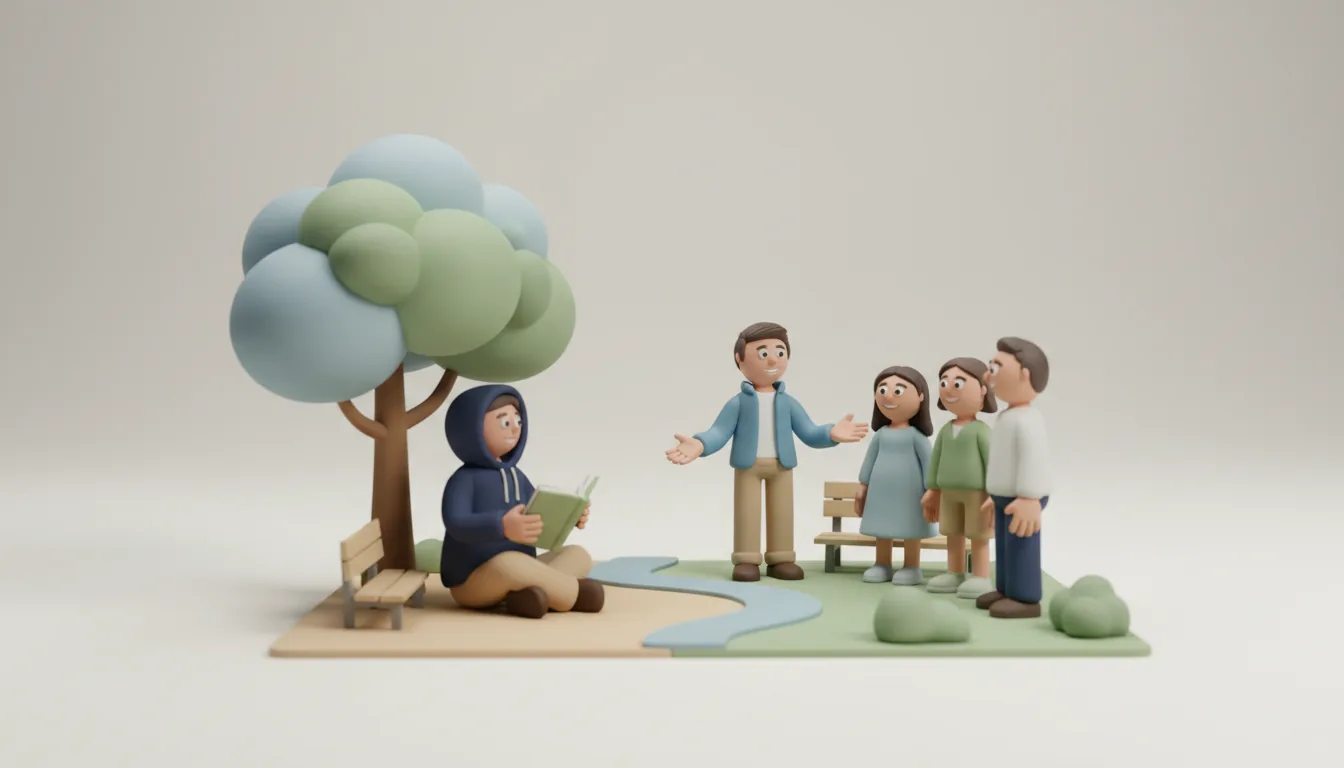
The question comes up in small moments. You skip a party and feel relieved instead of disappointed. Or you arrive early to an event because being the first one there feels easier than walking into a full room. Or a friend says you seem distant, and you have no idea what they mean.
You might be an introvert. You might be an extrovert. The difference comes down to where your attention naturally goes and where you get your energy.
What is an introvert?
An introvert directs their attention inward. They notice connections between things more than the things themselves. They think before they speak, and often come to conclusions quietly, on their own.
Introverts get tired from too much social contact. Interacting with others uses up energy. After a busy day with people around, they need time alone to feel like themselves again.
That does not make them shy. An introvert can be perfectly comfortable speaking in front of a room if the topic matters to them. They just need recovery time afterward.
What is an extrovert?
An extrovert directs their attention outward. They notice what is happening around them first, and they talk to think. Their ideas come out as they speak, not before.
Extroverts get energy from being around people. A long day alone drains them. They often seek out company because interaction itself lifts their mood and clears their mind.
That does not mean they are always loud. An extrovert can sit quietly in a group and still feel recharged by the presence of others. The energy exchange happens whether they are talking or not.
How to tell which you are
Look at what restores you when you are drained. If you need time alone to recover, you are likely an introvert. If you need to call a friend or be around people, you are likely an extrovert.
Notice how you make decisions. Introverts tend to work things out in their heads first, then share the conclusion. Extroverts often talk through the problem out loud, using conversation to find the answer.
Watch what tires you out. For introverts, a full day of meetings or a crowded event leaves them exhausted. For extroverts, a long stretch with no one to talk to feels draining.
Think about how you handle interruptions. Introverts usually dislike being pulled out of focused work. Extroverts often welcome the break and return to the task energized.
Neither is better. Each one has its own strengths and blind spots.
What introversion and extraversion change in relationships
Energy and plans
Introverts need downtime built into their schedule. If your partner is an introvert, a weekend packed with social events will wear them down. They are not being difficult. They need space to recharge.
Extroverts need contact. If your partner is an extrovert, a quiet weekend at home might leave them restless. They are not rejecting you. They need interaction to feel balanced.
When one person is an introvert and the other is an extrovert, finding the right rhythm takes effort. The introvert might agree to go out, then need time alone the next day. The extrovert might stay in, then feel the urge to call someone or leave the house.
Both are trying to meet their own needs, not ignore the other person's.
How conflicts play out
Introverts often pull back when a disagreement happens. They need time to think before they can talk it through. Pushing them to resolve things immediately usually makes it worse.
Extroverts often want to talk it out right away. Waiting feels unbearable. Silence feels like rejection. They process by speaking, so holding it in only builds pressure.
A relationship with one of each can get stuck. The introvert retreats, the extrovert pursues, and both end up frustrated. Understanding the pattern helps. The introvert needs space to think. The extrovert needs to talk it through. They are using different methods to reach the same goal.
What you give each other
An introverted partner notices the small, quiet things. They remember what you said last week. They see when something is wrong before you mention it. They offer depth and steady attention.
An extroverted partner brings energy and momentum. They pull you into experiences you might have skipped. They connect you to people and opportunities. They make life feel less heavy.
Neither can replace what the other brings. The best relationships find a way to honor both.
Introversion and extraversion as one of four basic differences
In socionics, the theory Typeza is built on, introversion and extraversion are one of four basic differences between people. The others are sensing or intuition, logic or ethics, and rational or irrational.
Together, these four differences combine into 16 personality types. Each type processes information in its own way, and the difference matters in every relationship, whether it is a partner, a friend or a family member.
When you take the free personality test, you get your type, which shows where you land on all four differences. The result tells you which of the 16 types fits you, and what that means for how you relate to others.
Can you be both an introvert and an extrovert?
No. You are one or the other. Some people land close to the middle and can act like either one depending on the situation, but the underlying pattern stays the same.
What confuses people is that behavior shifts. An introvert can seem outgoing at work and quiet at home. An extrovert can enjoy solitude for a while and still need people afterward.
What you do can vary. What restores you when you are worn out stays the same. That pattern does not change.
Why it matters to know
Knowing your type helps you stop forcing yourself into the wrong shape. If you're an introvert, you can stop feeling guilty for needing time alone. If you're an extrovert, you can stop wondering why solitude feels so draining.
It also helps you understand the people close to you. When your partner wants space, it might not be about you. When your friend wants to talk everything through, it might not be drama. They are meeting a need that is built into how they work.
Relationships go more smoothly when both people stop expecting the other to function the same way they do.
Questions people ask
Am I an introvert or an extrovert?
Look at what restores you when you are drained. If you need time alone, you are likely an introvert. If you need to be around people, you are likely an extrovert.
What is the difference between an introvert and an extrovert?
Introverts direct their attention inward and get tired from too much social contact. Extroverts direct their attention outward and get energy from being around people. The difference is not about being shy or outgoing.
Can you be both introverted and extroverted?
No. You are one or the other, though some people land close to the middle. What changes is your behavior, not the underlying pattern. The real difference shows in what restores you when you are worn out.
Are introverts better in relationships than extroverts?
Neither is better. Each brings different strengths. Introverts offer depth and steady attention. Extroverts bring energy and connection. The best relationships honor both.
Written by Virko Kask, founder of Typeza