
Engaged vs married: what being engaged means and how long it lasts
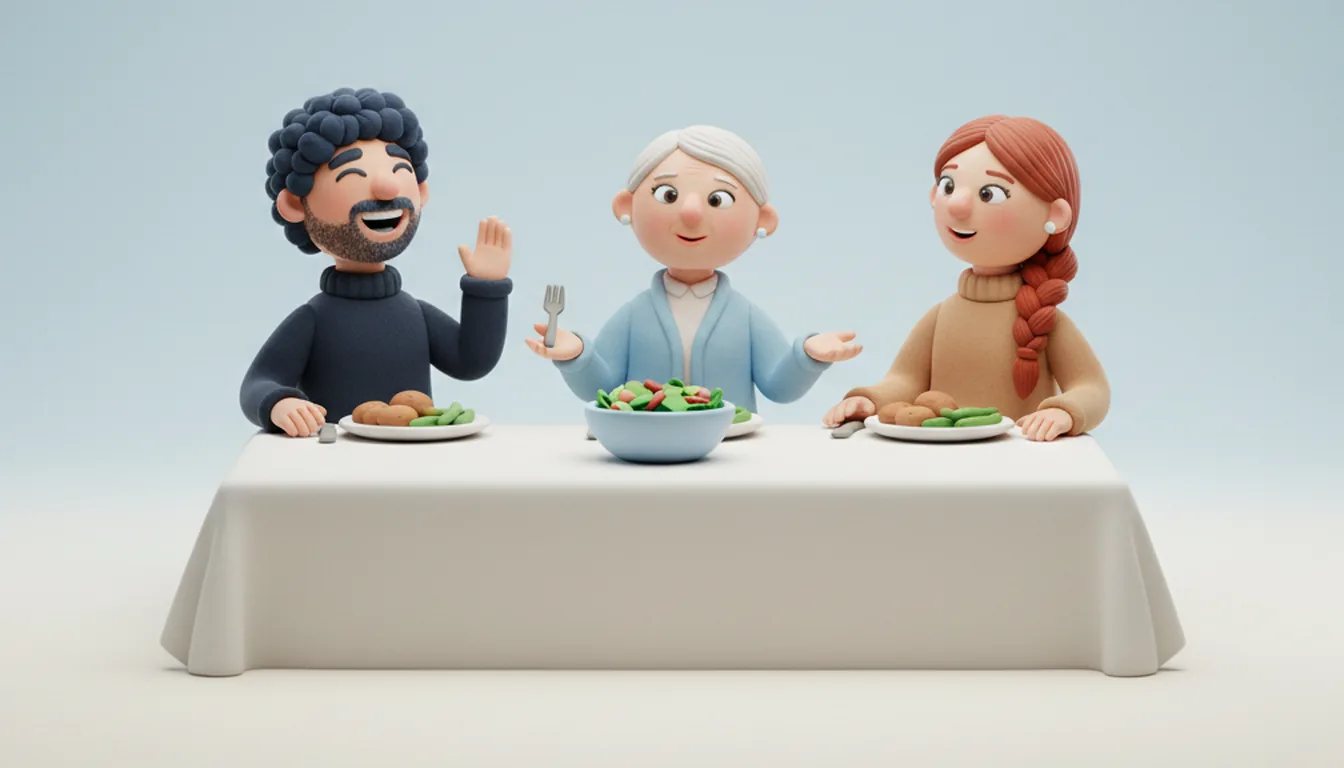
Being engaged means you've both said yes to marrying each other, but the wedding hasn't happened yet. Married means it has, and the marriage is official. The engagement is the stage in between, and in big yearly surveys of US weddings it lasts about 14 to 15 months on average. Daily life barely changes when you get engaged. What changes is how you talk about the future, and that's where many couples find out they had different timelines in mind.
An example: Ben and Sofia had been engaged for eight months when Ben's grandmother waved her fork at them over Sunday lunch. "You two already live together. You share a car. So what's different now?" Ben laughed and said, "Now there's a party at the end." Sofia said, "Now it's a promise in front of everyone we love." On the drive home Sofia asked when Ben pictured the wedding. "Next spring," he said, as if they'd agreed on it long ago. Sofia had pictured a date two years away. They sat quietly at a red light, then both started laughing, because eight months in, neither of them had said it out loud.
What does being engaged mean?
An engagement starts with a question and a yes. It might follow a big proposal, or a quiet talk on the sofa that ends with "So, we're doing this." Either way, from that moment you're telling each other, and soon everyone else, that you plan to marry.
In a relationship, being engaged usually means three things:
- You've made a promise out loud. You've agreed on a shared future and said it to each other in plain words.
- Other people know. Families and friends start to see you as a couple who'll marry, and they treat you that way.
- There's a wedding ahead, even without a date. That changes the questions people ask, starting with "So when is it?"
Some couples say fiancé and fiancée from the first day. Others feel a little shy about the words for weeks, and that's normal too.
What the wedding day actually changes
From the outside, engaged and married couples can look exactly alike. They may share a home, a pet, a car and a calendar. The real differences show up in a few places:
- A plan becomes a marriage. An engagement is a promise to marry. The wedding turns it into the real thing.
- The paperwork changes. In most places marriage gives you a new legal status, with rights and duties around money, property and names, while an engagement changes nothing on paper.
- Families become in-laws. While you're engaged, you're the partner who comes to every holiday. Once you're married, you're officially family, with all the holiday planning that brings.
- People ask a new question. Engaged couples hear "When's the wedding?" Married couples hear "How's married life?"
What changes when you get engaged, and what doesn't
For most couples, the morning after the yes looks like any other morning. You wake up next to the same person, argue about the same dishes and laugh at the same jokes. The change is in how you talk about what comes next.
Things that usually change:
- You start saying "when we're married" instead of "if."
- Big talks come sooner, about where you'll live, how you'll handle money and how often you see each family.
- Relatives start including you in plans a year ahead.
- Small choices feel bigger, because they're part of a life you're building together.
- If there's an engagement party, both families and your friends may meet in one room for the first time.
Things that usually stay the same:
- The way you argue and make up. A yes doesn't settle the old fight about being late.
- How much time each of you needs alone or with friends.
- Who does the dishes, unless you talk about it.
How long do engagements usually last?
In the largest yearly study of US weddings, the average engagement was 15 months from 2022 to 2024 and 14 months in 2025. That's an average, so some couples marry within a few months and others stay engaged for years.
Most couples settle on a length for a handful of reasons:
- The size of the wedding. A big wedding with guests traveling takes longer to plan. A small wedding at home can be ready in a few months.
- Where you are in life. Finishing a degree, moving or starting a new job often pushes the date back.
- The season you both want. If you picture a summer wedding, the calendar makes a lot of the decision for you.
- How long you've been together. Couples who've shared a home for years often want a shorter engagement, because they already feel married.
For the planning itself, how to plan a wedding has a rough calendar, month by month.
How long should you date before getting engaged?
There's no right number. In the latest big US wedding survey, couples dated three years on average before they got engaged. Months matter less than what you've lived through together: a busy season at work, a move, a long trip, a holiday with both families. If you want to see where you are now, stages of a relationship walks through the usual order.
What couples use the engagement for
The months between the yes and the wedding are a good time for the talks that are easier before the big day than after it. Many couples use them to:
- Talk about money. Who earns what, who saves, and whether you'll share an account.
- Decide where you'll live. Near one family, halfway between, or somewhere new.
- Agree on holidays. Each year with a different family, or both on the same day.
- Meet the people who matter. The friends and relatives you still haven't met.
- Plan the wedding together. It shows you how you make decisions as a pair, long before the first year of marriage does.
After the wedding, advice for newlyweds covers the first months of married life.
A quick wedding or a long engagement: eight types
Ben wanted spring, and Sofia wanted two years. Plenty of couples find the same gap, and a lot of it goes back to who each of them is. Eight of the 16 types, laid out in types page order, show the whole spread from quick to slow:
- Harmonizer enjoys being engaged: the dinners, the plans, the cozy feeling of a promise. There's no rush.
- Analyst wants a length that makes sense, worked out from the guest list and the calendar.
- Mentor often wants a longer engagement, with room for a big, emotional wedding and time for every relative to feel part of it.
- Commander sets a date within weeks of the yes and gets things moving.
- Diplomat reads both families before naming a date, then moves fast once the mood is right.
- Guardian wants enough time to do things properly and in the right order.
- Counselor cares less about the length than about how both families feel about the date.
- Craftsman would happily marry next month in a small ceremony and skip the long planning.
Ben is a Commander and Sofia is a Mentor, so their talk at the red light was no surprise to anyone who knew them both.
See where your timelines come from
Some couples agree on a wedding date in the first week, and others find out they don't on a drive home. Typeza shows the two of you the relationship type you share as a couple, with the plans that line up easily and the ones where you pull in different directions. Take the free couples compatibility test, and once your result is ready, invite your partner from it.
Questions people ask
What is the difference between engaged and married?
Engaged means you've both agreed to marry but haven't had the wedding yet. Married means the wedding has happened and you're now officially each other's spouse. Day to day, many engaged couples already live much like married ones.
What does it mean to be engaged to someone?
It means you've asked and answered the big question and plan to marry each other. You've also told the people around you, so your families and friends start treating you as a future married couple.
How long do most couples stay engaged?
In US surveys the average is about 14 to 15 months. Many couples marry sooner, and some wait two or three years, often because of a big wedding, a move or a new job.
Is a long engagement a bad sign?
Not on its own. Plenty of couples stay engaged for years because of work, studies or a wedding they want to plan slowly. It's worth a talk only if one of you keeps pushing the date back and the other doesn't know why.
What is the purpose of an engagement?
It gives you time to get ready for marriage, both for the wedding day and for the life after it. Many couples use it for the big talks about money, home and family before they say their vows.
Sources
- The Knot, Real Weddings Study 2026, as summarized in a press release. 10,474 US couples married in 2025: an average engagement of 14 months, after three years of dating.
- The Greeneville Sun, "How long is the average engagement?". The Knot 2025 Real Weddings Study: an average engagement of 15 months, the same since 2022.
Written by Virko Kask, founder of Typeza
Written with the help of AI tools.
One question for two, every week
A question to ask your partner, friend or family, and how different types tend to answer it.
Free. Unsubscribe any time.