
How to be cool (without trying too hard)
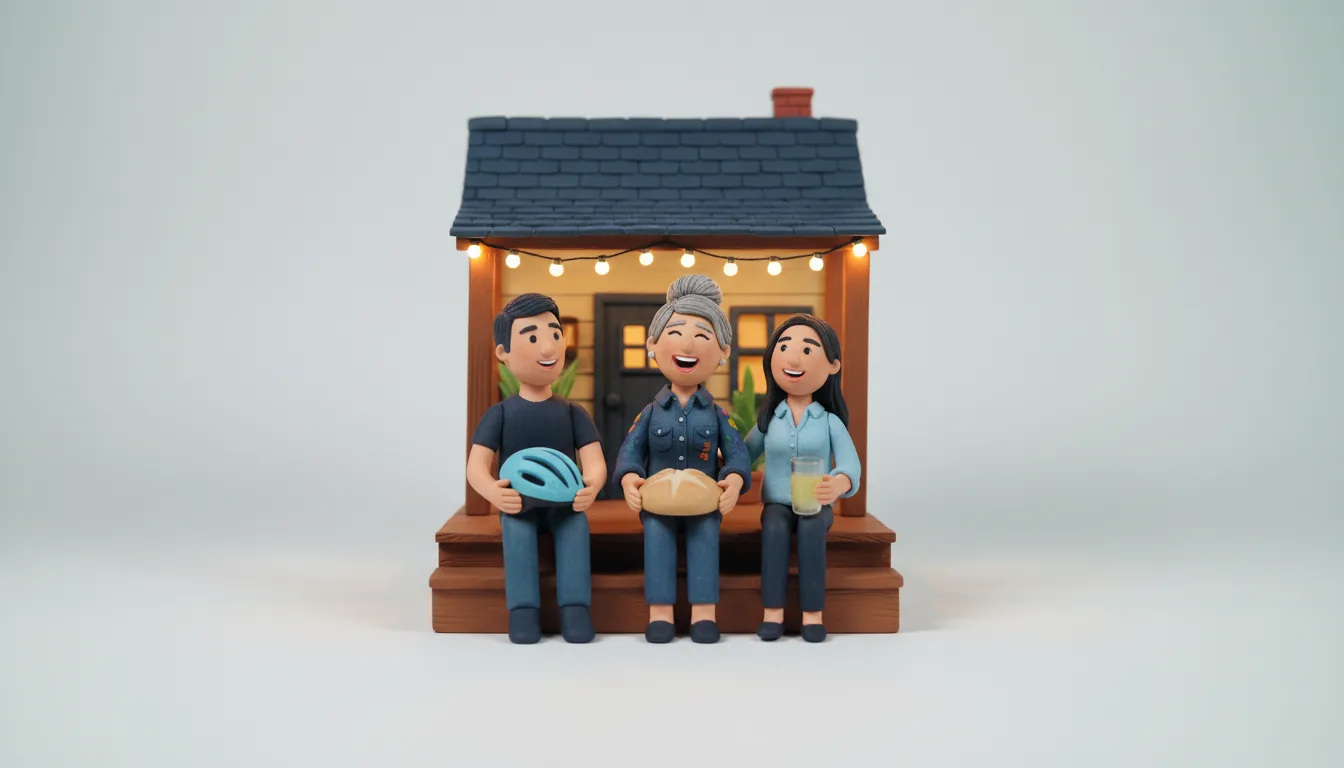
For an adult, being cool means being at ease in your own skin. A cool person stays calm when plans go sideways, has interests of their own, is kind without making a show of it and doesn't seem to need anyone's approval. None of it depends on clothes, money or age. It comes from a few habits anyone can practice, and it looks a little different on every personality.
An example: Noor spent most of Saturday getting ready for her housewarming. She made a playlist, cut the cheese into neat cubes and moved the couch three times. Her neighbor Rosa, who is in her fifties and paints in her garage, came over in a denim shirt still spotted with paint. She brought a loaf of bread she had baked that morning and handed it over without a speech. Then she sat down on the porch step next to Theo, Noor's cousin, who hadn't said ten words all evening. Rosa asked about his bike. He told her about the old frame he was fixing up, and she admitted she once rode her own bike straight into a neighbor's hedge. By nine o'clock half the party had drifted out to the step, around the one guest who hadn't tried at all.
What people mean when they call a grown-up cool
When adults call someone cool, they rarely mean trendy. They mean the friend who stays relaxed when the dinner booking falls through, or the uncle who listens more than he talks. The word points to a feeling you get around the person. You can relax, because they aren't putting on a show and they aren't judging yours.
It usually comes down to four things:
- Calm. They don't panic over small stuff, and they don't make their mood everyone else's problem.
- Their own interests. They do things because they like them, whether that's sourdough, birdwatching or rebuilding old bikes.
- Kindness without fuss. They help, include and notice people without announcing it.
- No chasing approval. They're glad if you like them and fine if you don't.
The small things cool people do
You can spot it in tiny moments more than in big ones.
- They ask the second question. Rosa didn't stop at "nice bike." She asked where Theo found it and what was wrong with it.
- They laugh at their own mistakes first, before anyone else gets the chance.
- They don't need the last word. If a debate at dinner goes nowhere, they shrug and pass the salad.
- They're happy to look a bit silly, like being first on the dance floor at a wedding.
- They remember your name and use it the next time they see you.
- They say "I have no idea" when they have no idea.
- They leave when they're tired, with a warm goodbye and no long excuse.
Why trying hard to look cool backfires
People can feel effort. When someone works hard to be liked, the people around them start working too. They laugh politely, they reassure, they try to keep up. That gets tiring fast, and it kills the ease that makes a person feel cool in the first place.
Noor's cheese board was lovely. But she spent the first hour of her party checking whether everyone was having fun, and her guests could tell. Rosa's attention went outward, to Theo and his bike, instead of back to herself.
Trying hard also shows up as copying: a borrowed opinion, a joke lifted from someone else's video, loud excitement about a show you never liked. Friends may not spot what's borrowed. They just sense that you seem a little far away.
Cool is warmer than it looks
Some people picture cool as distant. They imagine sunglasses indoors, short answers and no visible feelings. That version can work for a minute, and then it starts to feel cold.
The people others call cool are often warm under their calm. Rosa was relaxed, and she was also clearly interested in a quiet young man nobody else had talked to. If the detached style still pulls at you, being nonchalant has its own upsides and costs worth knowing. The kind of cool that lasts mixes ease with kindness. You're steady enough not to need someone's approval, and warm enough that they feel welcome next to you.
Why cool looks different on each type
Personality type changes what cool looks like from the outside. Some people come across as cool when they're quiet, and others when they're the liveliest person in the room. Here are seven of the 16 types, each with the kind of cool it tends to give off:
- Ideator: cool through curiosity. They'll drop a topic halfway through for a better one, and people enjoy the ride. Their trap is chasing every new idea just to seem interesting.
- Analyst: cool in a dry, unbothered way. They don't pretend to follow trends, and they say exactly what they think in very few words.
- Commander: cool under pressure. When the grill flares up, they're the one who moves the food and hands someone the lid.
- Dreamer: cool in a soft, faraway way. They drift along at their own pace, and people find that restful to be near.
- Diplomat: reads a room fast and seems to know everyone by the end of the night. Their risk is working the room so hard that the ease disappears.
- Counselor: quietly kind. They notice the person standing alone and walk over without making it a thing.
- Craftsman: cool through skill and steady hands. Give them a broken bike and they'll fix it while everyone else is still talking about it.
Which kind feels cool to you can say as much about your own type as theirs. Someone who loves quick talk may find a Craftsman boring, while a quieter person finds the same Craftsman wonderfully calm.
How to be cooler
If you want to become cooler, start small and pick one at a time.
- Choose one interest you'd keep even if nobody ever saw it, and give it real time each week.
- At the next party, ask someone a second question about their first answer.
- When you make a small mistake, name it, laugh, and apologize once.
- Say yes to one thing this month that you'd usually skip for fear of looking silly.
- Find the person on the edge of the group and bring them into the talk.
None of these will change you overnight. Keep at them, and one day a friend may say you seem more relaxed.
Find out where you feel at ease
Being at ease comes naturally to some types and takes practice for others, and knowing yours shows you where to start. The free personality test names your strong points and weak spots. Send a friend who always seems relaxed the link from your result. When they are done, your relationship type shows what is easy between you and where you clash.
Questions people ask
Can you learn to be cool?
Yes. Calm, curiosity about others and laughing at your own slips are habits, and habits get easier with practice.
Why do I feel uncool around certain people?
Often it's because you're watching yourself instead of them. Turn your attention to the other person and ask about something they care about, and the self-conscious feeling often fades. Some people also just move at a different speed than you do, and that's fine.
Is being cool the same as being popular?
No. Popular people are liked by many. Cool people are at ease whether they're liked or not, and they often end up liked anyway.
Written by Virko Kask, founder of Typeza
Written with the help of AI tools.
One question for two, every week
A question to ask your partner, friend or family, and how different types tend to answer it.
Free. Unsubscribe any time.