
Don't cry over spilled milk: meaning, origin and when to let go
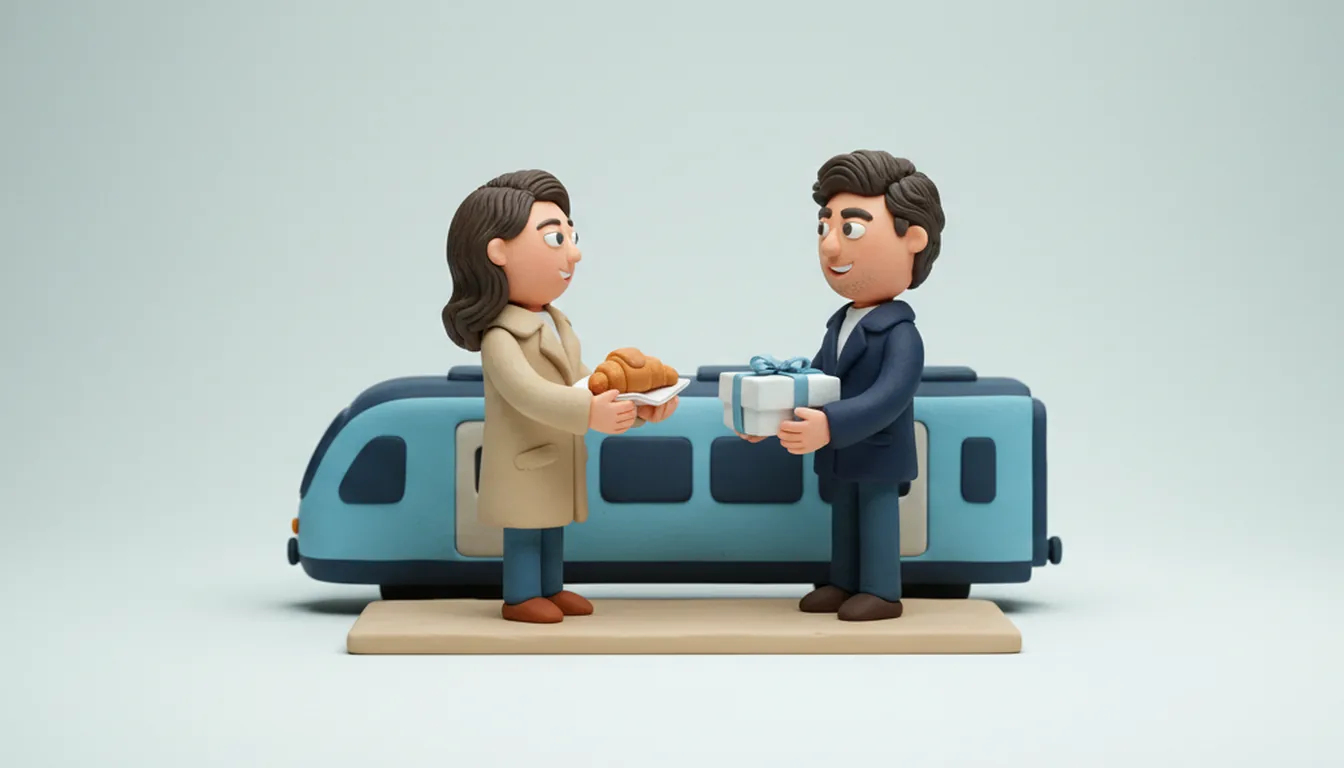
"Don't cry over spilled milk" means there's no use getting upset about something small that has already gone wrong and can't be undone. The milk is on the floor. You wipe it up, pour some more and get on with your day. The proverb is old: a form of it was in print in English by 1659.
An example: Lina and her brother Pablo reached the platform just as the doors of their train slid shut. They were on their way to their parents' anniversary lunch, and Pablo was carrying the cake, a white box tied with a blue ribbon, in both hands. The train sat there for a second and then pulled away without them. "No use crying over spilled milk," Lina said, before Pablo had even caught his breath.
He gave her a look. He wasn't crying. He just wanted one minute to be annoyed about it.
Lina knew that look. She walked over to the kiosk, came back with two croissants on paper napkins and held one out to him. "Fine," she said. "You get your minute. Then we check when the next train leaves." It left in forty minutes. They ate the croissants and texted their mother, and Pablo's minute was over long before the train pulled in.
The saying was right. Lina had just said it a minute too early.
Small losses that count as spilled milk
The saying fits mishaps that are small, finished and nobody's fault in particular. Here are a few everyday ones.
- A favorite mug in pieces. It slipped while you were drying it. Sweep it up and use another one tomorrow.
- A missed train or bus. The next one is coming. Use the wait for something nice, like Lina's croissants.
- A burnt dinner. One of you forgot the oven during a long phone call. Order something, open a window and laugh about it next week.
- A sweater shrunk in the wash. It won't grow back. Maybe it fits your sister now.
- A photo deleted by mistake. It's annoying, but the day itself still happened, and you both remember it.
- Concert tickets that sold out in a minute. Find another show, or play the band's albums at home with friends.
- A wrong turn on a road trip. The extra hour is gone. Sometimes the detour has the better view.
- Rain on picnic day. The forecast was wrong and the blanket is soaked. Spread it on the living room floor and eat there instead.
When it isn't spilled milk
Some things look small from the outside but aren't over yet. The saying lands badly in these cases.
- It can still be fixed. If the ticket can be changed or the stain can come out, help with that first.
- Someone's feelings got hurt. A sharp word at dinner needs an apology, and a proverb won't do that job.
- It keeps happening. A friend who is late every single time is a pattern worth talking about.
- It mattered a lot to them. A ring they saved up for, lost at the beach, is a bigger thing than a broken mug, even if both are "just things."
Why one person shrugs and another replays it all evening
Some people let a mishap go almost before it's over. Others go back over it again and again, thinking about what they should have done or when they should have left. Type shapes part of that. Here are eight of the 16 types.
- Ideator: moves on fast and is soon joking about plan B, which often sounds more fun than plan A.
- Harmonizer: minds the spoiled mood more than the mishap. Once everyone is comfortable again, it's forgotten.
- Analyst: replays it until they understand exactly what went wrong, and then lets it go.
- Mentor: feels it loudly for a few minutes, says so, and then it's over.
- Commander: wants to act right away and gets impatient with anyone who keeps talking about it.
- Dreamer: may replay it quietly all evening, wondering how the day would have gone otherwise.
- Guardian: worries most when someone they love was let down, like parents waiting at the lunch table.
- Craftsman: fixes what can be fixed, says very little and moves on.
Lina lets things go in a minute. Pablo needs that minute, and then he's fine. From the outside, Lina's quick shrug can look careless and Pablo's minute can look like sulking. Each is simply how that person works. Trouble only starts when one of them rushes the other.
Timing matters more than the words
The same five words can comfort someone or sting them. A few habits make the difference.
- Give the other person their minute first. Let them groan.
- Say "we." "We can't get that train back" sounds like you're in it together.
- After the saying, offer the next step, like "Next train's in forty minutes. Croissant?"
- Keep your voice light, and skip the lecture.
You can also leave the proverb out and say something that means the same thing.
- "It's done. Let's work with what's left."
- "Nobody's hurt, and we're still here."
- "That's going to be a funny story by Christmas."
- "Okay, that happened. What now?"
When the trouble is still going on, the saying is the wrong fit. For a hard week that hasn't ended yet, this too shall pass is usually the kinder thing to say. The same timing goes for you win some, you lose some: let the person who lost say it first.
When you're the one who spilled it
The hardest person to say it to is often yourself. You broke the mug or misread the timetable, and your head keeps playing it back. Looking back once can teach you something, as hindsight is 20/20 points out, but the tenth replay teaches you nothing new. Try this instead.
- Name what you'd do differently, once, out loud or on paper.
- Fix the part that can still be fixed.
- Then say the saying to yourself, the way a good friend would.
Other people often forget your small slips long before you do.
If a small slip leaves you sure that everyone is judging you, how to not take things personally has eight habits worth a look.
See how fast your type lets things go
Some people shrug off a small loss in a second, and others need a minute, and type explains part of the difference. Your type is free to find on the personality test. To see how you fit with a brother, sister or parent, send them the link from your result so they can take the same test. Anyone 16 or older can take it, and once your relative is done, both of you learn your relationship type.
Questions people ask
What does don't cry over spilled milk mean?
Don't waste your energy on a small loss that is already over. Clean up, then move on.
Is it spilled milk or spilt milk?
Both are right. "Spilled" is the usual American spelling, and "spilt" is more common in British English. The meaning is the same.
Where does don't cry over spilled milk come from?
It's an old English proverb. An early printed version, in a collection of proverbs from 1659, reads "no weeping for shed milk," from a time when "shed" could mean spilled. Jonathan Swift used "'Tis a Folly to cry for spilt Milk" in a book printed in 1738.
What can you say instead of don't cry over spilled milk?
"It's done, let's work with what's left" and "Okay, that happened, what now?" carry the same idea in plainer words. "What's done is done" is another old saying with a similar meaning.
Is it rude to say don't cry over spilled milk?
It can be if you say it too fast or about something that matters a lot to the other person. Let them be annoyed for a moment first, and say it with a smile.
Is there a Don't Cry Over Spilled Milk Day?
Yes, day calendars list it on February 11 each year. It's an unofficial day, and a good excuse to let go of one small mistake that still bugs you.
Sources
- U.S. Dairy, "The Scoop Behind 'Don't Cry Over Spilled Milk'". James Howell's 1659 proverb collection and its "no weeping for shed milk."
- Wiktionary, "cry over spilt milk". The meaning, the "spilled" form, and Swift's line, written in 1731 and printed in 1738.
Written by Virko Kask, founder of Typeza
Written with the help of AI tools.
One question for two, every week
A question to ask your partner, friend or family, and how different types tend to answer it.
Free. Unsubscribe any time.