
How to not take things personally: eight habits for everyday life
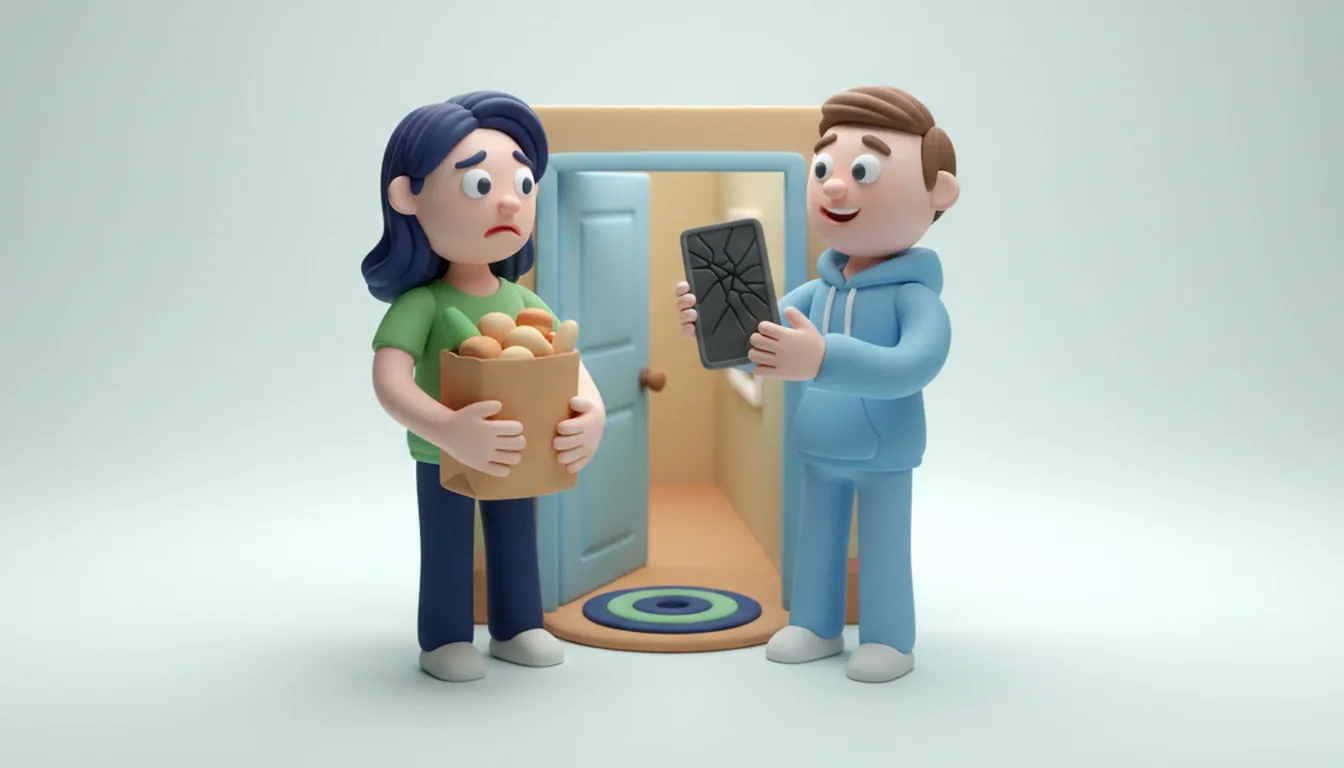
Learning how to not take things personally starts with one plain fact: what other people say and do comes mostly from their own day, their own habits and their own personality. A short reply, a forgotten birthday or a blunt comment is rarely a verdict on you. The habit worth building is to pause, think of two or three other reasons, and ask before you decide what it meant.
An example: Nadia texts her brother Leo, "Dinner at mine on Friday? I'm making the lamb you like." A day passes with no answer, then another. By the third day she has scrolled back through a month of messages, looking for the thing she must have said. When she stops by his flat with the groceries she promised, Leo opens the door, grinning, and holds up a phone with a cracked black screen. "It went into the bath," he says. "Is Friday still on?" Three days of worry, and the silence had nothing to do with her.
Why small things can feel so personal
The mind fills gaps fast. When a message gets no answer or a friend looks tired at lunch, your brain wants an explanation, and the nearest one is usually about you. You know your own worries far better than you know what happened in the other person's morning.
A few things make the gap-filling worse:
- You are tired or hungry. Everything lands harder at the end of a long day.
- The person matters to you. A stranger's frown barely registers. Your sister's frown can ruin an evening.
- You already had a doubt. If you were unsure about the dinner invitation, the silence seems to confirm it.
- The other person shows feelings differently from you. If you are warm and chatty, a friend who answers "ok" can seem cold, even when "ok" is simply how they say yes.
Personality type is often part of that last one.
Six things that feel personal, and often are not
- The one-word reply. Some people write the way they talk: short and to the point. "Sure" from them means sure.
- The friend who goes quiet for a week. Many people go silent when life gets full and come back as if no time has passed.
- Blunt feedback. "That color does not suit you" can come from someone who values honesty above politeness and thinks they are doing you a favor.
- Being left off a plan. Often the planner simply asked whoever was in the room at the time.
- A partner who wants an evening alone. Some people refill their energy on their own. If your partner's social battery is empty, a quiet night is about their energy, and their feelings for you stay the same.
- The relative who corrects you. Some people show care by fixing things, including your plans. It feels like criticism to you. To them it feels like help.
How to not take things personally: eight habits
Practice these on small things so they are ready for big ones.
- Wait before you react. Give a message that stings an hour, or a night, before you answer. A lot of hurt shrinks after a good sleep.
- Find three other reasons. For every "they are angry with me," name three other explanations, like a broken phone, a sick child or a rough week. Just seeing other options loosens the grip of the first one.
- Ask, kindly and directly. "I noticed you went quiet. Are we okay?" One question can save days of guessing, and people are often glad you asked.
- Separate the words from the tone. Write down what was actually said, without the tone you heard. "We'll see" on paper is often much milder than "we'll see" in your head.
- Learn how the people close to you talk. Your father's grunt may be his warmest compliment. Your best friend may only send voice notes when she is excited.
- Notice your own sore spots. Many of us have a topic where we bruise easily: our looks, our cooking, our parenting, our weight. When a comment touches it, the sting is bigger than the comment. Self-awareness helps you see when the size of the hurt comes from you.
- Keep a wider circle. If one person's mood decides your whole day, you are leaning on them too much. Other friends, a hobby and time on your own spread the weight.
- Let some things go. Not every slight needs a talk. If it will not matter in a week, let it pass.
Why the same words land differently on different people
Some types speak plainly and assume everyone else does too. Others listen closely for warmth in every sentence. Put the two together and hurt comes easily. Typeza sees personality type as part of this. Here are seven of the 16 types:
- Vitalizer: pours warmth into every message and hopes for some back. A dry reply can feel like a door closing, though the sender meant nothing by it.
- Analyst: says exactly what they think, because accuracy feels respectful to them. Others often read their directness as coldness.
- Mentor: feels things intensely and pays close attention to how people respond. Praise lifts them high, and silence can drop them just as far.
- Inspector: points out the mistake because getting things right matters. To them, fixing your packing list is a way of looking after you.
- Guardian: remembers how people treated them and takes loyalty seriously. A small betrayal can stay with them for a long time.
- Counselor: kind, quiet and careful about who they let close. A sharp tone can stay with them far longer than the point behind it.
- Craftsman: shows care with their hands more than with words. They may fix your bike and say nothing warm, and to them the fixed bike says it all.
None of these people is wrong. They just show care in different ways. Once you know someone's type, their silence or bluntness may stop sounding like a message about you. Communication styles in relationships looks at the same gap from the side of how couples talk.
How can I be less sensitive?
A good first step is to stop treating sensitivity as a flaw. The same nerve that makes a comment sting also lets you notice when a friend is struggling, feel what a song means and remember what people care about.
The aim is to keep the noticing and lose some of the suffering. A few things help:
- Name the feeling. "I feel hurt" is easier to handle than a vague, heavy mood.
- Check the facts before the story. What happened? What did you add?
- Rest. Sleep, food and some quiet time can make you less raw.
- Spend time with people who get you. One blunt comment is easier to shrug off when you have friends whose way of talking matches yours. When a friend's joke does sting, sticks and stones has a few ways to say so without a scene.
The habits here are for everyday slights. If small things have hurt a lot for a long time, or the hurt comes with low moods that do not lift, talk to someone you trust or to a professional.
When it really is about you
Sometimes the cold reply is about you. You forgot something important, said something careless or let someone down. Not taking things personally does not mean ignoring real feedback.
If the same comment comes from several people, it is worth listening to. If someone tells you plainly that you hurt them, believe them first and look at the details second. A sincere apology mends a lot, and it works best when you leave out the "but".
The skill is telling the two apart: the comment about who you are, and the comment about what someone else is going through. A direct question often shows you which one it is. And if a remark stays with you for weeks, holding grudges covers how to let it go without pretending it never happened.
Know which words you read too much into
Nadia now knows that Leo answers in bursts, and sometimes not at all, and she no longer counts the hours. Knowing your own type works the same way from the inside: it shows how you read other people and where you tend to bruise. Typeza's free personality test gives you 41 pairs of statements, and you pick the one closer to how you are on a normal day. Your type comes up as soon as you answer the last pair, along with your place on four base traits, and nobody asks you to sign up for that. The full profile of your type is free to read too, and it says what someone of your type needs from friends and family.
When one person's words keep stinging, send them the test from your result. The invite needs a free account. Once they have finished, you both see your relationship type and how the relationship tends to feel from each side, which may help explain why their words land so hard on you.
Questions people ask
Why do I take everything so personally?
Usually because the people involved matter to you, and because your mind fills silence with worries about yourself. Tiredness, an old doubt or a sore topic make it stronger. A different way of talking between you and the other person can also make neutral words sound harsh.
How do you not take things personally in a relationship?
Learn your partner's style. Some partners need time alone, speak bluntly or show love through actions more than words. Talk about it on a calm day, and agree on a simple way to check in when something feels off.
Can you learn to not take things personally?
Yes. It is a habit, and habits grow with practice. Start with small things, like a short text or a late reply, and the bigger moments get easier.
Written by Virko Kask, founder of Typeza
Written with the help of AI tools.
One question for two, every week
A question to ask your partner, friend or family, and how different types tend to answer it.
Free. Unsubscribe any time.