
You made your bed, now lie in it: meaning, and when not to say it
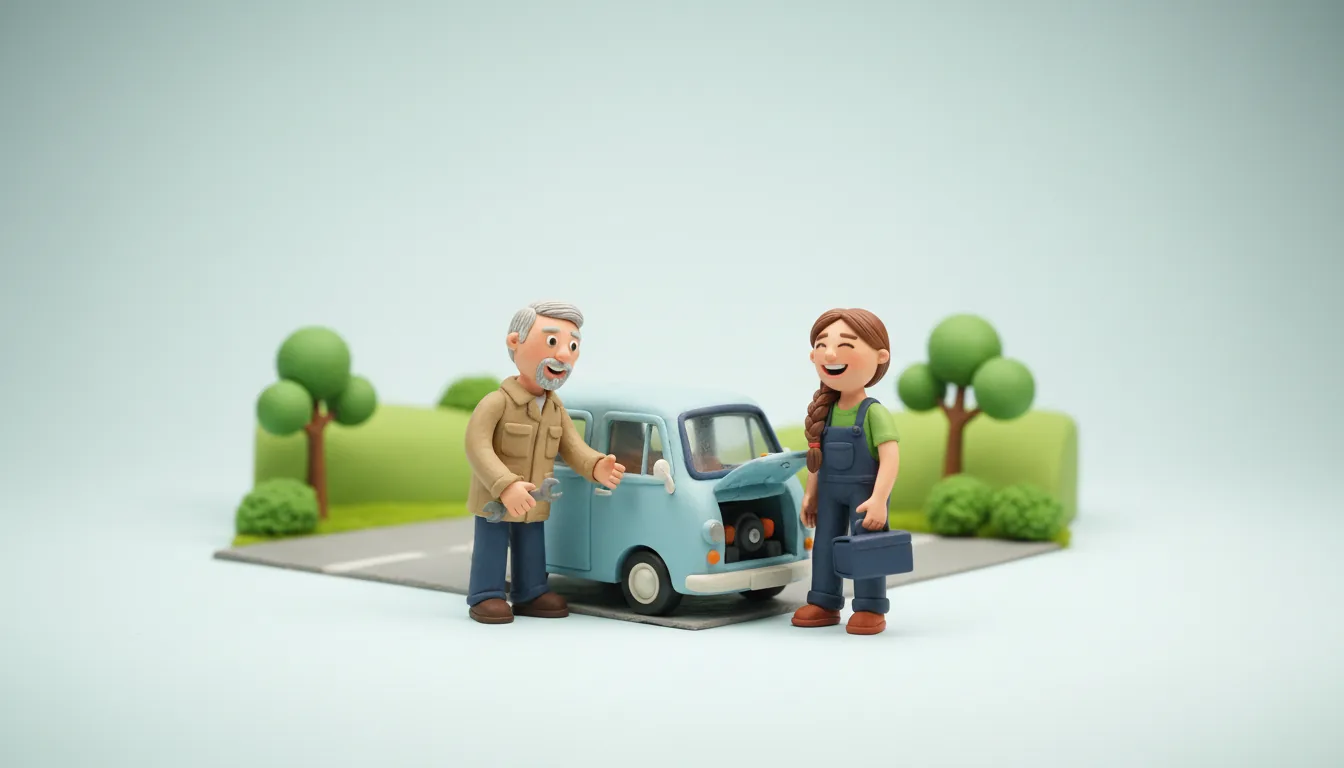
"You made your bed, now lie in it" means that you chose something, so now you have to live with how it turned out. The bed is the choice. Lying in it is living with the result, lumpy or not.
An example: it's Saturday morning, and Hanna's van sits on the side of a country road with its hood open. She bought it in May, a pale blue camper from 1988, with plans to spend the summer driving along the coast. Her father said it was too old. Her brother Oskar said it would cost more in repairs than it cost to buy. Hanna is 34, and she bought it anyway.
At 9:40 she writes in the family chat that the engine has stopped, an hour and a half from her parents' house. Oskar answers first: "Well, you made your bed." Nobody else writes for a while. At 11:15 her father's car pulls in behind the van. Rolf gets out with his old toolbox, nods at her, and starts working on the engine. He doesn't mention May once. By noon they're both laughing at a part that came off in his hand.
Both men love her, but only one of them is helping her get home.
What the line really says
You'll hear it in several forms: "you've made your bed, now lie in it," "you make your bed, you lie in it," the short "make your bed, lie in it," or just "you made your bed," with the rest left unsaid.
The saying has a fair core. Adults make their own choices, and taking responsibility for them is part of being grown. The trouble is that the line is often said by the person who warned them, at the moment the warning came true, which is why it can sting more than it teaches.
Four choices that bring it out
A move far from home
You moved across the country for a fresh start, and now you're lonely in a new city. Families give a lot of advice before a move, much of it unasked for, and some relatives remember every word of it later.
A job that looked better on paper
You left a steady job for a smaller company with a nicer title. Six months in, the hours are longer than promised, and your old manager has already filled your seat. Someone at Sunday lunch points out that you liked your old desk.
The big purchase
It might be the van, an old house that needs a new roof, or a sofa that cost a month's pay and doesn't fit through the door. Money choices bring the saying out fast, because everyone can see the bill.
A partner the family didn't pick
This is the touchiest one. If your sister's partner forgets her birthday, telling her she made her bed turns a small hurt into a family argument about whether he belongs. The family can share its view of a partner once, kindly, and after that it's her life.
Owning it, or hearing "I told you so"
There's a real difference between letting someone own a choice and reminding them you were right. Owning it means the person deals with the results. They pay for the repairs, make the new city work, or have the hard talk with their partner. "I told you so" adds nothing to that. It only moves the attention from the problem to the warning.
Some families keep score for years. The van comes up every Christmas, and the move comes up every birthday. That's closer to holding a grudge in a friendly voice than to teaching anyone anything. It also misses that people learn from a choice that went wrong. Whether people can change is a fair question in general, but one bad purchase at 34 often teaches its own lesson.
Where the saying comes from
The idea is old, and many languages have it. French says "comme on fait son lit, on se couche," as you make your bed, so you lie down. German, Swedish and Polish have close versions. In English, a political weekly printed "as you make your bed so you must lie in it" in 1806 and called it something "the old women say to their daughters," so it was already old then. Nobody knows who said it first.
The picture works without any history. Whoever makes a bed badly is the one who sleeps on the lumps.
When to keep the line to yourself
- They already regret it. Someone who says "I should have listened" has done what the saying asks. Repeating it only adds weight.
- It was a fair bet that went wrong. Plenty of sensible choices end badly through bad luck. The van might have run for ten more years.
- You don't know the whole story. You saw the job from the outside. They may have had reasons you never heard.
- Other people are listening. At a family dinner the line turns a private mistake into a public one.
- Nothing can change now. If the money is spent and the lease is signed, the remark can't help them choose better.
If the choice is still open, one calm word of caution can help. Picking your battles is mostly about knowing which moment that is.
What to say when they already know
Rolf said almost nothing that Saturday, and it worked. If you want words, these do more than the saying does:
- "That's rough. What do you need?"
- "Should I help you fix it, or do you need to vent first?"
- "I can come over on Saturday."
- "You'll sort it out. Call me if it gets worse."
Later, once the van runs again, you can talk about what each of you would do next time. That talk goes better once the problem is fixed.
If you're the one lying in it
Being on the other end of this saying is hard. Saying it first helps: "Yes, this was my call, and it's not going well." That takes the line out of the other person's mouth.
Ask for something specific instead of sympathy in general, such as a lift, a loan of tools or an afternoon. And if someone says it anyway, you don't have to argue the original choice all over again. "Maybe. Right now I need a ride" moves things forward.
Straight talkers and quiet helpers
Many families have both kinds of people, and your type is part of which kind you turn out to be. Here's how seven of the 16 types tend to split.
Some say it straight. An Ideator often says it as a joke in the first minute, then starts listing ways to fix the van. A Mentor feels the drama of the moment and may say more than they meant to. An Inspector tends to point out the warning that was given, calmly, as a plain fact. An Entrepreneur skips the feelings and asks what the repair will cost.
Others help and say little. A Counselor listens first and keeps any old warning to themselves. An Encourager gets curious about what can still be saved and makes it sound like an adventure. A Craftsman is often the one who turns up with the toolbox, says almost nothing and fixes it.
See how your family takes each other's choices
Why one relative lectures and another quietly drives over with a toolbox comes partly down to type, and to how two types fit. Typeza describes the relationship type you make with a parent, brother or sister, including where advice lands well between you and where it starts a fight. It begins with the free family compatibility test. Afterwards you can invite the relative you have in mind straight from your result.
Questions people ask
What does "you made your bed, now lie in it" mean?
It means you chose something, so now you have to live with the results, even if they turned out badly.
Is it "you've made your bed" or "you made your bed"?
Both are common, and they mean the same thing. You'll also hear "you make your bed, you lie in it" and the short "you made your bed."
How old is "you made your bed"?
At least a few hundred years. An English weekly printed it in 1806 as something old women said to their daughters, so it was common well before that.
Is it rude to say "you made your bed"?
It often comes across that way, because it's often said after a warning came true. Said about yourself, it's just honest.
What can I say instead?
Something that offers help. "That's hard. What do you need?" does more than any reminder of the warning.
Sources
- Wiktionary, "as you make your bed, so you must lie in it": the 1806 citation in Cobbett's Political Register and the French, German, Swedish and Polish versions.
- Wiktionary, "you've made your bed, now lie in it": the meaning, living with the results of a situation you created.
Written by Virko Kask, founder of Typeza
Written with the help of AI tools.
One question for two, every week
A question to ask your partner, friend or family, and how different types tend to answer it.
Free. Unsubscribe any time.