
Reverse psychology: why it works on some people and backfires on others
Reverse psychology means saying the opposite of what you want, or telling someone they can't, so that their urge to prove you wrong does the rest. It works on people who hate being told what to do. On people who take words at face value it does nothing, or worse, they simply agree with you.
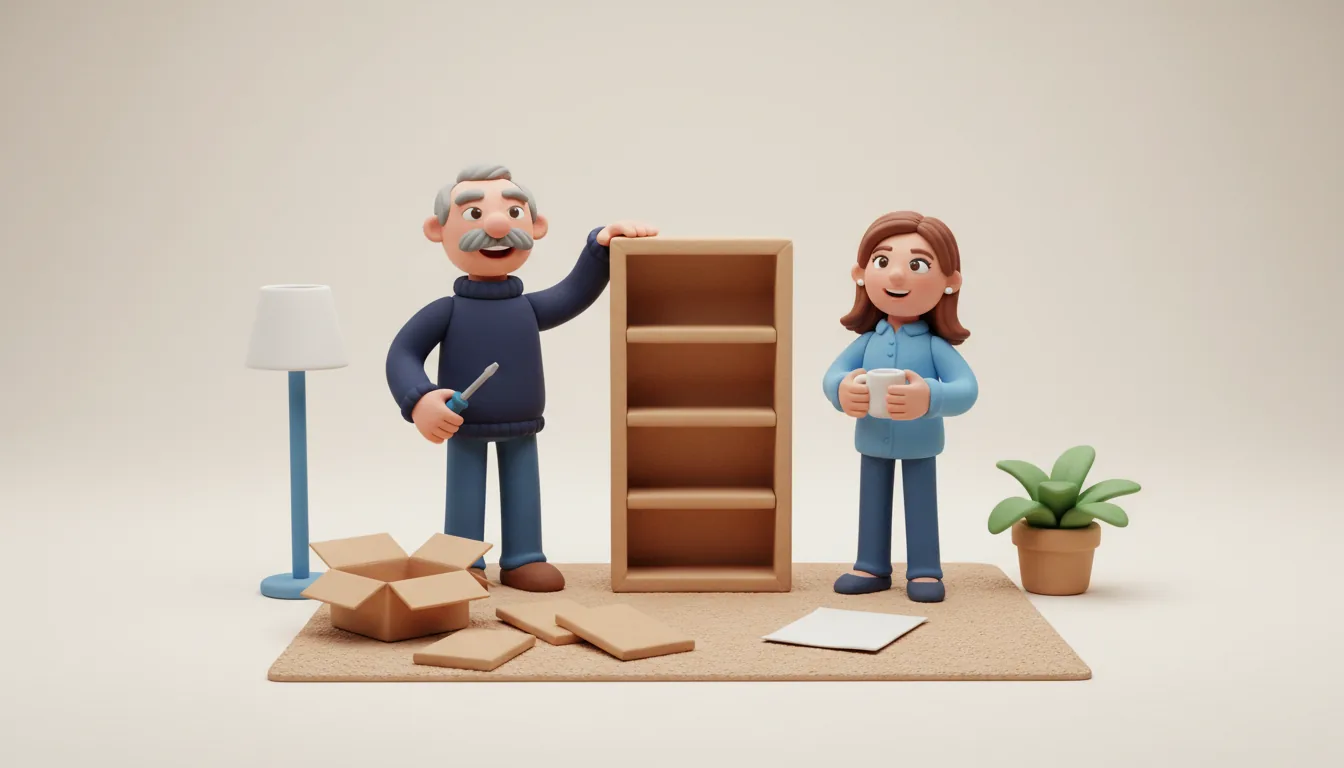
An example: the flat-pack bookshelf had leaned against Nina's hallway wall for five weeks. Her dad, Frank, had promised to build it "next weekend" four weekends in a row. On Sunday morning she handed him a coffee and said, "You know what, leave it. These new ones are probably too fiddly for you anyway. I'll pay someone." He put the cup down and had the box open before she finished her own coffee. Ninety minutes later he stood in her living room with one hand on top of the finished shelf and the screwdriver still in the other, grinning like he'd won something. Two boards were left over, which he called spares. The instruction sheet lay on the rug, never unfolded. Nina smiled into her mug and said nothing.
What reverse psychology means
Reverse psychology is pushing someone toward a choice by arguing for the other one. "Don't bother" is meant to get them to bother. "You'd never manage it" is meant to get them to manage it.
It leans on a feeling many people know, which psychologists call reactance. When someone tells us we can't, or shouldn't, a part of us wants to do it just to keep the choice our own. In some people that part is loud. In others it barely makes a sound.
Reverse psychology examples from grown-up life
Many adults use it more than they think, usually half as a joke. A few everyday examples:
- With friends. "We probably shouldn't try that new Korean place. You hate spicy food." The friend who once ate a whole chili on a dare books a table for Friday.
- With a partner. "Don't worry about my cousin's wedding. I'll go alone, you'd be bored." Some partners hear the real request and put on a suit. Others say "Great, thanks," and stay home.
- With grown siblings. "You're right, you could never run a half marathon." Six months later your brother sends you a photo of his medal.
- With parents. "Don't even try the video calls, Dad. It's too complicated." By Thursday he's calling you on video from the garden, a little too close to the camera.
- From parents to grown children. "I don't suppose you'd want to come fishing. It's a five o'clock start." A son who sleeps till ten is standing in the driveway at a quarter to five.
Each of these depends on knowing the person well.
Why a "don't" makes some people do it
Some people care a lot about choosing for themselves. Hearing "you can't" feels like someone else making the choice for them, and they'd rather make it themselves. Frank is one of them. Telling him he could do the shelf would have sounded like a request, and requests can wait. Telling him he couldn't turned it into a matter of pride.
A contrarian friend works the same way in conversation. Say the movie was great and they'll find what was wrong with it. Say it was bad and they'll defend it. For people like this, reverse psychology often works because it lines up with how they already move through the world.
Others respond to a dare for a simpler reason. They like a challenge, and "you'd never" sounds exactly like one.
Why others just take you at your word
Then there are people who hear "don't bother" and think, "All right, I won't." Nina tried the same trick on her mom a month later. "Don't come to my yoga class, you'd hate it," she said, hoping her mom would insist. Her mom said, "You're probably right," and that was the end of it. She never came.
People like her mom aren't slow to catch on. They take you seriously because they assume you mean what you say, and they'd like you to do the same for them. Many of them are happy to take advice when it comes plainly. The catch is that advice they never asked for can feel like pressure even to them, which is the problem with unsolicited advice in general.
When reverse psychology backfires
It backfires in a few common ways, and most of them cost more than the thing you wanted.
The first is the literal "okay." You argued against what you wanted, and now you've lost the argument you were hoping to lose. Nina is still going to yoga alone.
The second is being seen through. A sharp sister hears "you could never run a half marathon" and says, "You're right, I couldn't. Glad we agree." That move has a name, reverse reverse psychology. She turns it back on you by doing exactly what you said, and now you both know what you were up to.
The third is the late discovery. A partner who goes to the wedding and later works out how you got him there can feel handled. One time is a laugh. A pattern makes people start checking your words for hidden meanings.
The fourth is when someone tries it on a person who has gone quiet, acting like they don't care so the other one comes back. It can get a reply for a while. It rarely gets you closer, because the game hides the one thing the other person needs to hear, which is that you want them around.
Which types push back, and which take advice
Personality type can explain why one friend jumps at a dare and another takes your "no" and walks away happy. Seven of the 16 types, listed as on the types page:
- Harmonizer hates friction and takes kind words at face value. Tell him not to come and he won't, and he'll feel a little hurt later if he learns you meant the opposite.
- Analyst notices the trick quickly and doesn't enjoy being steered. Give him the real reasons and he'll weigh them fairly.
- Inspector listens to what was said and acts on it. Words that mean their opposite just look like bad instructions to her.
- Commander treats "you can't" as a dare she has already accepted. It works on her almost every time, and she may roll her eyes about it later.
- Diplomat sees through it and often plays along for the fun of it. He'll do the thing and make sure you know he knew.
- Strategist spots the move before you finish the sentence and usually doesn't play. A straight question gets a much better answer from him.
- Encourager is curious and warm, and a gentle "I bet you can't" can spark her interest. She takes plain advice well too, as long as it leaves her room to explore.
These are tendencies, and plenty of people sit between two types. Your own history with someone matters just as much.
The honest version
You can keep what's useful about reverse psychology without the bluff. Most of it comes down to saying what you want and then leaving the choice with them.
- Say the real request. "I'd love you to come to the wedding with me" beats any clever line.
- Give the reason. People who hate being steered usually respond well to reasons.
- Make the dare real. If someone loves a challenge, offer one you mean. "I think you could build this before lunch. Want to try while I make sandwiches?"
- Leave a real way out. "Totally fine if not" has to be true.
- Take the no. If they decline, believe them, and let it stay declined.
With people who push back, honesty plus a choice often works better than the trick ever did. With people who take you at your word, it's the only thing that works at all.
Find out why a dare works on one parent and not the other
Nina wondered why the same trick got her dad off the couch and left her mom unmoved. Type can explain a lot of that. Your answers on the free family compatibility test tell you which type you are. Afterward, send each of your parents the invite link from your result. Once a parent has answered, your relationship type with that parent shows where you work together without a word and where you tend to clash.
Questions people ask
Does reverse psychology work?
Sometimes. It tends to work on people who value their freedom or love a challenge, and it often fails on people who take words literally or spot the trick.
What is an example of reverse psychology?
Telling a friend "You probably can't handle that hiking trail" so that she decides to hike it. Or telling your dad a bookshelf is too fiddly for him, so he builds it that morning.
Is reverse psychology manipulation?
Used as a joke between close friends or family, it's mostly harmless, and both sides often see it. Used as a habit to get your way, it starts to work against trust, because people stop believing your words.
What is reverse reverse psychology?
It's when someone sees your reverse psychology coming and does exactly what you said, to show you the trick didn't work.
Does reverse psychology work when someone ignores you?
Acting like you don't care can get a quick reply. It rarely brings two people closer, because the other person still doesn't know you want them around. Saying so plainly usually does more.
Sources
- Wikipedia, "Reverse psychology": arguing for the opposite of what you want, and reactance, the wish to restore a threatened freedom to choose, as the reason it works.
Written by Virko Kask, founder of Typeza
Written with the help of AI tools.
One question for two, every week
A question to ask your partner, friend or family, and how different types tend to answer it.
Free. Unsubscribe any time.