
Can people change? What changes in a person, and what stays
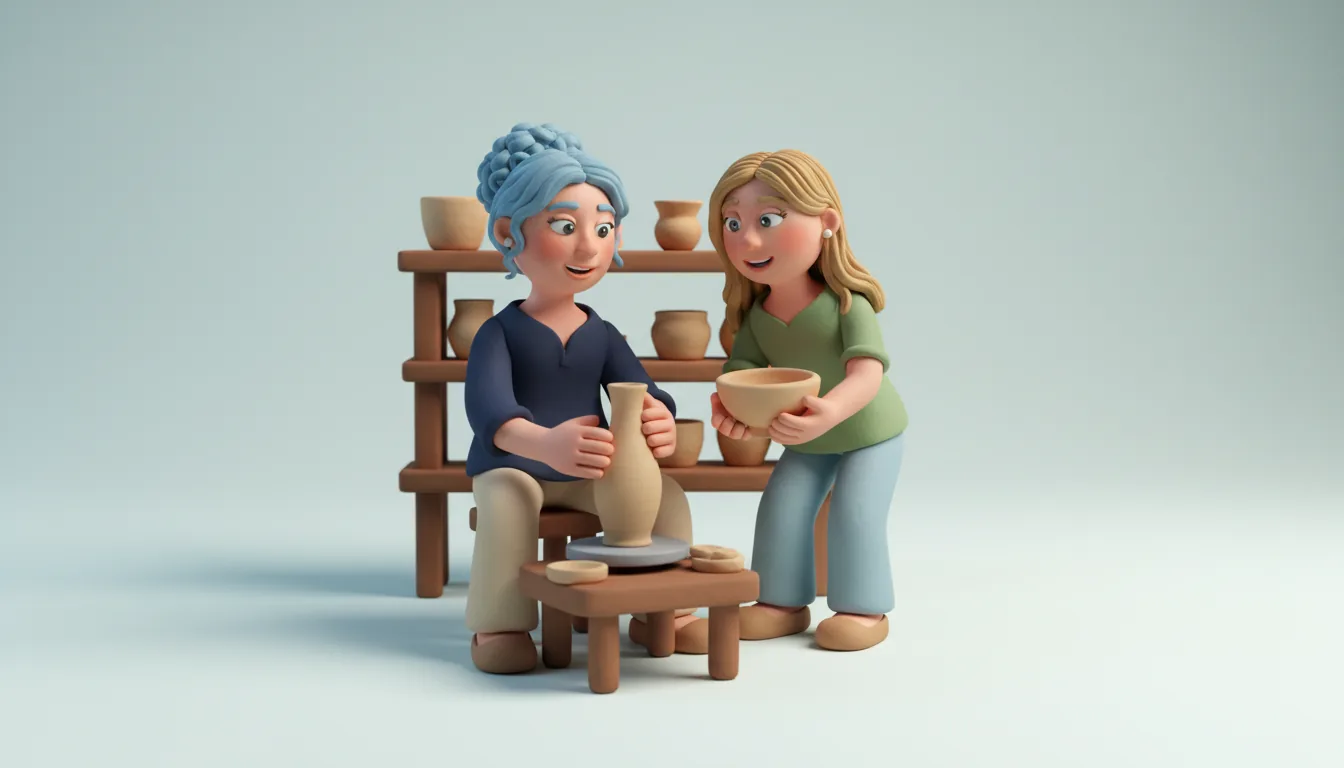
Can people change? Yes, in what they do. Habits, skills, choices and the way someone treats the people around them can all shift a lot, sometimes within a year. What tends to stay is the core underneath: where a person's attention goes first, what gives them energy and how they like to make decisions. The change that lasts usually works with that core instead of against it.
An example: at twenty-five, Marco was late to everything. He forgot birthdays, lost his keys every week and once missed his own going away party because he was helping a stranger push a car. Ines, his friend since college, loved him and never trusted him with a plan. Twenty years later she walked into their class reunion and found Marco at the door with a clipboard. He had booked the hall, chased down ninety people and printed name tags in alphabetical order. At eleven that night he was also the last one on the dance floor, telling the same jokes he told at twenty and hugging people he had not seen in decades. On the drive home Ines said to her husband, "He changed completely." Then, after a minute: "And he didn't change at all."
What really changes over the years
Most of what people mean by "he's a different person now" sits on the surface of personality, and it can move a long way.
- Habits. Being on time, keeping the kitchen clean, calling your mother on Sundays.
- Skills. Planning, listening, giving a toast, handling money, staying calm in an argument.
- Priorities. At twenty, a night out matters most. At forty, sleep might.
- Confidence. Many people care less about what others think as they get older, and act more like themselves.
- How you treat people. Honesty, patience and keeping your word are choices, and choices can be learned.
Marco learned to plan because he opened a small restaurant at thirty-two and had no choice. The planning became a skill, and the skill became a habit.
What tends to stay put
Underneath the habits, some things hardly move. In Typeza's view these belong to your personality type:
- whether people or quiet time fill you back up;
- whether you notice facts and details first, or patterns and possibilities;
- whether you decide with logic or with how the choice will feel for everyone;
- whether you like life planned or open.
Marco still recharges in a crowd and still notices people before things. He just added a clipboard. If you want the full split between the style you are born with and the values you choose, personality vs character goes into it.
Why people change
People rarely change because someone told them to. The usual reasons are more ordinary:
- A new role. Becoming a parent, a manager or the one who looks after an aging parent forces new skills fast.
- A scare or a loss. A health problem, a breakup or a death in the family can make old habits look small.
- A new place. A move strips away routines and lets people try a different version of themselves. The weeks before that new version settles can feel like an identity crisis.
- The people around them. A partner who is always on time or a friend who apologizes well can be contagious.
- Simple age. Many people mellow, worry less and pick their battles more carefully as the years go by.
- Practice. Someone decides to change one thing and repeats it until it sticks.
- Looking back. Seeing an old choice clearly, the thing people mean when they say hindsight is 20/20, can make the next choice easier.
Some people seem to change late in life, finding their path at forty or fifty. Often they have finally found a life that fits who they already were, which is the story of every late bloomer.
Can people change for the better?
They can, and they do, usually in small steps over a long time. Real change tends to look boring from the outside. The friend who always canceled starts showing up. The brother who never apologized says "I'm sorry, I was wrong" without a long speech about why.
A few signs that a change is real:
- It lasts for months, through good weeks and bad ones.
- You can see it in what they do.
- The person can talk about the old pattern without getting defensive.
- Other people notice it before the person points it out.
If the change you have in mind is your own, start smaller than you think. Our guide on how to become a better person suggests one habit at a time.
Can your personality type change?
Typeza treats your type as stable. A quiet woman who learns to work the room at her company party still goes home wanting a silent Sunday. What changes is how comfortable you get with the sides of life that do not come naturally, so at forty you may handle them far better than at twenty.
Your test result can still move a little. If one of your four base traits sits close to the middle, a later answer or two may tip it, and your result page tells you when a trait is that close. That only means the lean is small.
How to change yourself without fighting your type
The easiest change borrows the strengths you already have. Marco became a planner in his own way, the way a people person plans, with ninety phone calls and a lot of laughing. A few steps that help:
- Pick one change. Make it concrete, like "answer messages within a day," not "be more reliable."
- Use the method you are good at. A list person writes a list. A people person finds a partner to keep them on track.
- Practice where it is easy. Try speaking up with close friends before you try it at work.
- Expect old habits under stress. When you are tired, the old you comes back for a day. That is normal.
- Count what others notice. If people around you see the difference, it is working.
Here is how that can look for six of the 16 types:
- Mentor wanting calmer reactions can use their gift for words, and name the feeling in one sentence before acting on it.
- Inspector wanting more flexibility can put open, unplanned time on the calendar, so the structure itself makes room for surprises.
- Diplomat wanting to plan ahead can make planning social, with a friend who books the trip together with them.
- Entrepreneur wanting to slow down can treat rest like any other goal, with a target such as two evenings a week with no work.
- Organizer wanting to show feelings more can add one sentence to the practical help they already give, like "I fixed it because I hate seeing you stressed."
- Encourager wanting to finish more of what they start can pick one idea per season and tell a friend the date it will be done.
When you are waiting for someone else to change
It is harder when the change you want is in a partner, a parent or a friend. You cannot make it happen, and pushing usually slows it down. What helps more:
- Ask for a specific behavior, like "text me if you'll be late," rather than a new personality.
- Notice small improvements out loud. People repeat what gets noticed.
- Accept the core. A quiet partner can learn to share more, and they will still be quiet.
- Decide what you can live with if nothing changes, and be honest with yourself about it.
The old saying about leading a horse to water fits here: you can offer help, and the choice to take it stays with them.
See the part of you that stays
If you want to know which parts of you are likely to stay, the free personality test is a good start. You read 41 pairs of statements and keep the one that sounds more like you each time. At the end you see your type, where each of your four base traits leans and a free profile describing what comes easily to you and what tends to be hard. None of it asks you to make an account.
Knowing your type makes the next change easier to plan, because you can choose a method that suits you. If you're curious how you and someone close to you fit, you can invite them from your result page with a free account and see the relationship type you share.
Questions people ask
Can a person change their personality?
They can change how they act, a lot. The basic type underneath tends to stay, and what grows is how comfortable they are with the parts of life that do not come naturally.
How long does it take to change yourself?
In one study, a new daily habit took 66 days on average to feel automatic, and anywhere from 18 to 254 days. Bigger changes, like how you handle conflict, can take a year or more.
Sources
- Wikipedia, Habit: a new habit took 66 days on average to become automatic, with a range of 18 to 254 days (Lally and colleagues).
- Wikipedia, Big Five personality traits: most adults become more agreeable and conscientious and less neurotic with age, and traits stay fairly stable in adulthood.
Written by Virko Kask, founder of Typeza
Written with the help of AI tools.
One question for two, every week
A question to ask your partner, friend or family, and how different types tend to answer it.
Free. Unsubscribe any time.