
Late bloomer: what it means, and the signs you are one
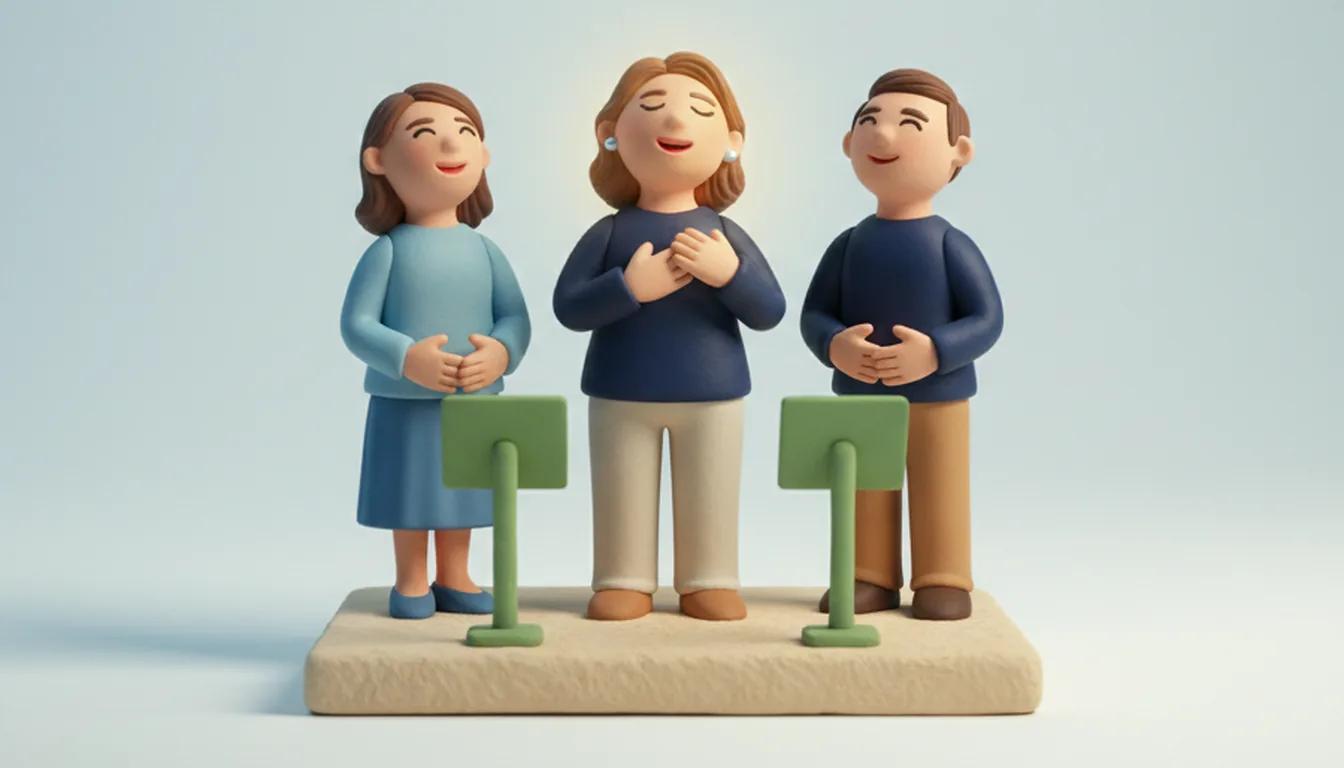
A late bloomer is a person whose talents, confidence or sense of direction show up later in life than people expected.
An example: at school, Joan was the quiet one in the back row. She had no plan and no favorite subject. Her twenties went by in a blur of jobs she did not care about, and her thirties went to raising two kids and looking after her dad. At 46, a neighbor dragged her to a community choir because they were short of altos. Six years later, Joan sings the solo at the winter concert. She has a calendar full of friends and a voice that makes people cry. Her older sister still shakes her head. "Who knew?" Joan laughs. "Not me."
Joan is a late bloomer.
What is a late bloomer?
A late bloomer is someone who reaches their potential later than most. They might find their passion at 40, gain real confidence at 50, or only feel like themselves after a big change in life. Before that, they often felt a step behind their friends.
The phrase comes from gardening. Some flowers open in spring and some wait until autumn, and both are healthy plants. People use it the same way: as a kind way to say that a slow start does not mean a small life.
You may also hear "late bloomer" about a teenager who grows taller or matures later than classmates. This article is about the other meaning, the adult who comes into their own later than expected.
Signs you are a late bloomer
Not every sign will fit. If several do, the label may be yours.
- You did not know what you wanted to do with your life at 18, or at 28.
- Your school years were not your best years, and you are glad they are over.
- You feel more confident now than you did ten years ago, and it keeps growing.
- You found a hobby, a skill or a group of friends that feels like home later than most people do.
- People who knew you young are surprised by who you are now.
- You spent years doing what others expected before you asked what you wanted.
- You learn by trying things for a long time before you commit to one.
- You often compare your timeline with your friends' and feel behind.
- Some of your best years seem to lie ahead of you.
Why some people bloom later
There is no single reason, and for many late bloomers it is a mix.
- They needed to choose for themselves. Some people do best only when they can pick their own path. While parents, school or a partner set the course, their real strengths stayed quiet.
- They spent years caring for others. Raising kids, looking after a parent or keeping a family going leaves little room to explore. When that load lifts, there is time to find out what you love.
- School measured the wrong things. Tests and grades reward some gifts and miss others, so plenty of talents stay hidden for years. A person who is great with people or with their hands can leave school thinking they are not clever.
- They wanted depth, not speed. Some people take a long time to try things, think them over and go deep. The result comes later and can last longer.
- Confidence came with age. For many people, caring less about what others think is what finally lets them try.
Our guide on how to find yourself has practical steps if you feel you are still looking.
Which personality types tend to bloom later?
Any type can bloom early or late. Life, family and luck play a big role. Still, some types have strengths that often take longer to show, either because school did not reward them or because they need freedom before they shine.
- Ideator: full of ideas from childhood, they often take years to learn how to finish one. When they do, the result can surprise everyone.
- Harmonizer: they put off big decisions and enjoy the present, so a long-term direction can come late. Once it does, they build a life that feels good to live in.
- Dreamer: they lean on others for direction when young and need time and quiet to trust their own sense of where things are going. Many find their voice in midlife.
- Counselor: they often spend years helping others grow before turning that care toward themselves. Their own path tends to appear once they give themselves the same patience.
- Encourager: curious about everything, they try many paths before one sticks. To others it can look like drifting. To them it is gathering what they need.
- Craftsman: they like to watch and learn before they act, and real skill takes them time. By middle age, many are the person everyone calls when something needs doing right.
If you see yourself here, it may be that your type simply needs more time to ripen. The old soul is related to the late bloomer: someone who seems older than their years, and who often feels at home in their own age only later in life.
Famous late bloomers
Some well-known people found their way late:
- Julia Child went to cooking school in her late thirties and published her first cookbook at 49.
- Laura Ingalls Wilder published the first of her Little House books at 65.
- Grandma Moses began painting seriously at 78 and lived to 101.
You do not need to become famous for it to count. Many late bloomers bloom in ordinary ways, like Joan in the choir.
Is being a late bloomer a good thing?
Often, yes. Late bloomers tend to know themselves well by the time they find their thing. They have tried other paths, so they rarely wonder what they are missing. Many have more patience and more empathy for people who are still searching.
The hard part is the waiting. Years of feeling behind can wear down confidence, and it hurts to watch friends seem to have it all sorted at 25. It can also be lonely to change late, when people around you expect you to stay the same.
If you feel behind
A few things help while you are still finding your way. If it's the everyday side that feels behind, like money, cooking or your first lease, how to be an adult covers the basics.
- Stop measuring by other people's clocks. Friends who seemed to have it all at 25 may face their own questions at 45.
- Try small things often. A class, a club, a new route home. You cannot know what you love until you try it.
- Notice what gives you energy. Write down what makes time disappear. Our list of things to be passionate about can give you ideas.
- Find people at your pace. Groups for beginners of every age exist for almost anything, from choirs to climbing.
- Be kind to your younger self. They were doing their best with what they knew.
Look at your own timing
Joan only found her voice when she had room to look for it. If you wonder why your path has taken the turns it has, the free personality test is a good place to start. At the end you see your type and your four base traits, with nothing to sign up for. Your type's profile, free to read, shows where that type is strong, where it struggles and what it needs to do well. Many late bloomers read it and finally see why the early years felt like the wrong fit.
Once you have a free account, you can invite a friend or partner from your result to take the same test. When they finish, you learn the relationship type between you and how it tends to feel for each of you.
Questions people ask
What does late bloomer mean?
A late bloomer is a person whose talents, confidence or direction appear later in life than usual. It is a kind phrase that says a slow start can still lead somewhere good.
Is late bloomer a compliment?
Mostly, yes. It suggests that someone has grown into themselves over time. Some people find it a little mixed, since it hints they were behind for a while.
What is another word for late bloomer?
Late starter or slow starter. Some people say someone "came into their own" later in life.
At what age is someone a late bloomer?
There is no set age. People usually use it for someone who finds their direction in their thirties or later, after an unclear start.
Sources
- Wiktionary, "late bloomer". The plant sense and the sense of a person who succeeds later in life.
- Wikipedia, "Julia Child". Cooking school in Paris, and her first cookbook in 1961.
- Wikipedia, "Laura Ingalls Wilder". Born 1867, first Little House book in 1932.
- Wikipedia, "Grandma Moses". Began painting in earnest at 78 and died at 101.
Written by Virko Kask, founder of Typeza
Written with the help of AI tools.
One question for two, every week
A question to ask your partner, friend or family, and how different types tend to answer it.
Free. Unsubscribe any time.