
The grass is greener on the other side: meaning for friends, work and life
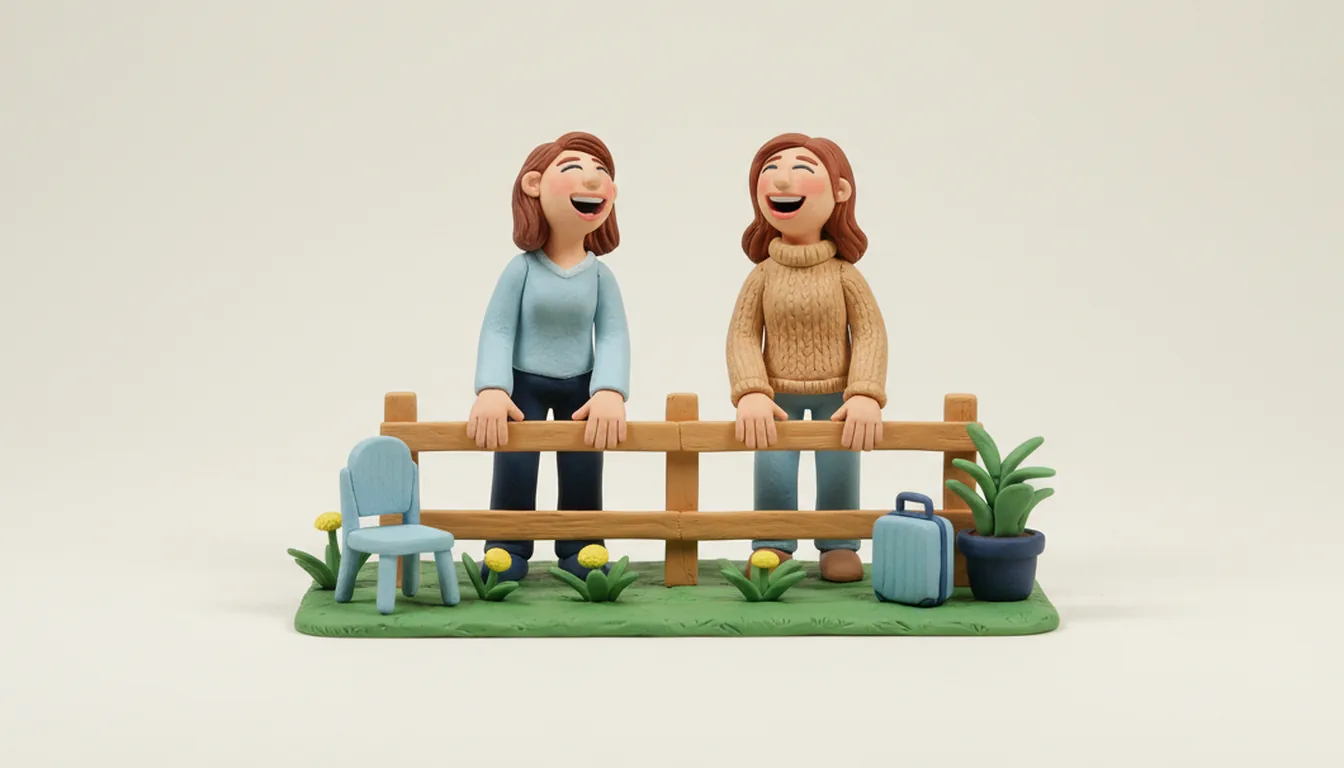
The grass is greener on the other side means that other people's lives, places and choices tend to look better than your own, often only because you see them from far away. The saying is a gentle warning. The lush field over the fence often has the same weeds, dry patches and hard work as yours, and you just can't see them from where you stand. It doesn't claim your side is perfect, only that your view of the other side is missing much of the picture.
An example: Yara and Corinne had not been in the same room for almost ten years when they met at their twentieth school reunion. Yara lives in a small city apartment, travels a lot and posts photos from places like Lisbon. Corinne stayed near their old town, in a house with a big yard, two kids and a dog. Somewhere between the second drink and the slideshow of old yearbook photos, Corinne admitted that she looked at Yara's pictures and felt she had stopped living at twenty-five. Yara burst out laughing. She had been looking at Corinne's yard and family photos for years and feeling like she lived out of a suitcase. Then the details came out. Yara had flown to Lisbon for a friend's wedding and cried at the airport on the way home. Corinne's lawn was, in her words, "mostly dandelions."
What does the grass is greener on the other side mean?
People use the saying when someone keeps wishing for a life they don't have: another town, another friend group, another stage of life. The longer form is "the grass is always greener on the other side of the fence." The common reply is "the grass isn't always greener on the other side," usually said to someone thinking about a big change, as a reminder that the change may bring new problems along with the old ones gone.
You will hear it about homes and cities, about other people's families, and about choices like kids or no kids. It is rarely said harshly. It often comes with a smile, from someone who has been there.
Where the picture comes from
The image is a farm one. An animal leans through a fence to reach the grass in the next field, though the grass at its own feet is just as good. The English saying is about a hundred years old. A farm paper printed "The grass always looks a little greener on the other side of the fence" in 1917, and shorter versions turn up in the 1890s.
Why the other side always looks greener
There are a few plain reasons the view tricks us:
- Distance hides the weeds. From your side you see a green blur. Up close every lawn has bare spots.
- You see their highlights and your whole day. Yara saw the Lisbon photos. Corinne never saw the airport.
- What you lack stands out. A choice you made also closed other doors, and closed doors are easy to imagine as wonderful.
- Change feels like a fresh start. A new place seems to promise a new you, and it rarely delivers that on its own.
None of this means you are ungrateful. It is just how comparing works when you only have half the information.
When the grass looks greener in friendships
Another friend group can look funnier, closer or more fun from the outside. Their photos have more laughing in them. They seem to have inside jokes and weekend trips, while your own friends mostly talk about work schedules and who is hosting next.
It also happens between two friends, as it did with Yara and Corinne. One has the career and the travel, the other has the family and the house, and each quietly thinks the other got the better deal. Left unspoken, that kind of envy can cool a friendship for years. Said out loud, it often turns into the best conversation the two of you have had in a long time. For more on how friendships shift with time and life stages, see reason, season, lifetime.
At work, and the job that only looks perfect
The saying comes up often at work. A friend's job sounds calmer, better paid or more interesting. You hear about the trip to the conference and the long lunch, and not about the Sunday evening emails. Before you envy a job, ask the person who has it about an ordinary Tuesday. The answer is often more useful than the photos.
Where you live and the life you chose
The biggest fences are the ones between life choices: city or small town, renting or owning, kids or none, staying near family or moving far away. Every one of these choices closes other doors, and the closed ones are easy to paint green. Corinne pictured Yara's freedom without the loneliness on a Sunday night. Yara pictured Corinne's busy kitchen without the four a.m. fevers. Both pictures were real and incomplete.
The grass is greenest where you water it
This saying answers the old one. It means that the life you have gets better with the care you put into it, while the life over the fence is only a picture.
Watering looks different for everyone, but it is often small and practical:
- Call the old friend you keep meaning to call.
- Fix the one thing at home that annoys you every single day.
- Take a small version of the trip you envy, even one weekend away.
- Plan something with the friends you already have instead of wishing for other ones.
- Ask yourself what exactly looks green over there. The answer often points to something you can grow at home.
Why some types look over the fence more often
Some people spend a lot of time picturing other lives, and some barely do it at all. Personality type plays a part here. Here are seven of the 16 types:
- Ideator: sees possibilities everywhere, so every door not taken stays interesting to them.
- Harmonizer: enjoys what is right in front of them, a good meal or a cozy evening, and rarely wishes to be elsewhere.
- Mentor: feels everything strongly and can be swept up by a life that looks more inspiring than their own.
- Inspector: values what is steady and proven, and distrusts a field just because it looks shiny.
- Diplomat: is drawn to the chance in front of them now, which can make the next field look very tempting.
- Guardian: is deeply loyal to their people, and keeps watering their own grass.
- Encourager: gets excited about new possibilities, so they may find the new field more interesting than the one they planted.
Both habits have their uses. People who look over the fence often bring new ideas home, and people who stay put keep things growing.
When the other side really is greener
Sometimes it is. A town where you know nobody, a friendship that always drains you, or a life that no longer fits can be worth leaving. A few questions help tell a real need from a passing envy. Has the wish lasted for months, or does it come back only after a bad week? Does it point to something specific, like being nearer family, or to a vague feeling that life should be more exciting? Can you try a small version first, like a long visit or a trial month? A wish that stays specific after all that is worth taking seriously.
Compare notes with the friend on the other side
Yara and Corinne now talk every month, and they no longer bother to make their lives sound better than they are. If you have a friend whose life you sometimes envy, or one who seems to envy yours, your types can explain part of it, since some types are pulled toward the next field and others are rooted in their own. Find your own type with the free friendship compatibility test. It is 41 picks between two statements, and your type is on screen when you are done. You also see how you lean on four base traits and get a free write-up of that type's strengths and weak spots. There is no sign-up for that part.
After that, ask the friend to take the same test through the link on your result. A free account is needed to send it. Once your friend has finished too, Typeza shows your relationship type and why you two look at life from such different sides of the fence.
Questions people ask
What does the grass is always greener on the other side mean?
It means people tend to think other lives or places are better than their own, mostly because they see them from a distance and miss the problems.
Is the grass greener on the other side?
Sometimes, but less often than it seems. Often the other side has its own weeds that you can't see from where you stand.
What does the grass isn't always greener mean?
It is a reply to the old saying. It warns that a change you dream about can bring new problems, so it is worth looking closely before you jump.
What does the grass is greenest where you water it mean?
It means your own life improves with the care and effort you put into it. The other field only looks better because it is a picture.
Is it bad to think the grass is greener?
Not as an occasional thought. It becomes a problem when it stops you from enjoying or caring for what you already have.
Sources
- The Phrase Finder, "The grass is always greener on the other side of the fence": the 1917 Kansas Farmer line and the 1890s variants.
- Wiktionary, "the grass is always greener on the other side": other people's circumstances seem better than your own, but often are not.
Written by Virko Kask, founder of Typeza
Written with the help of AI tools.
One question for two, every week
A question to ask your partner, friend or family, and how different types tend to answer it.
Free. Unsubscribe any time.