
Comparison is the thief of joy: meaning, and how to compare less
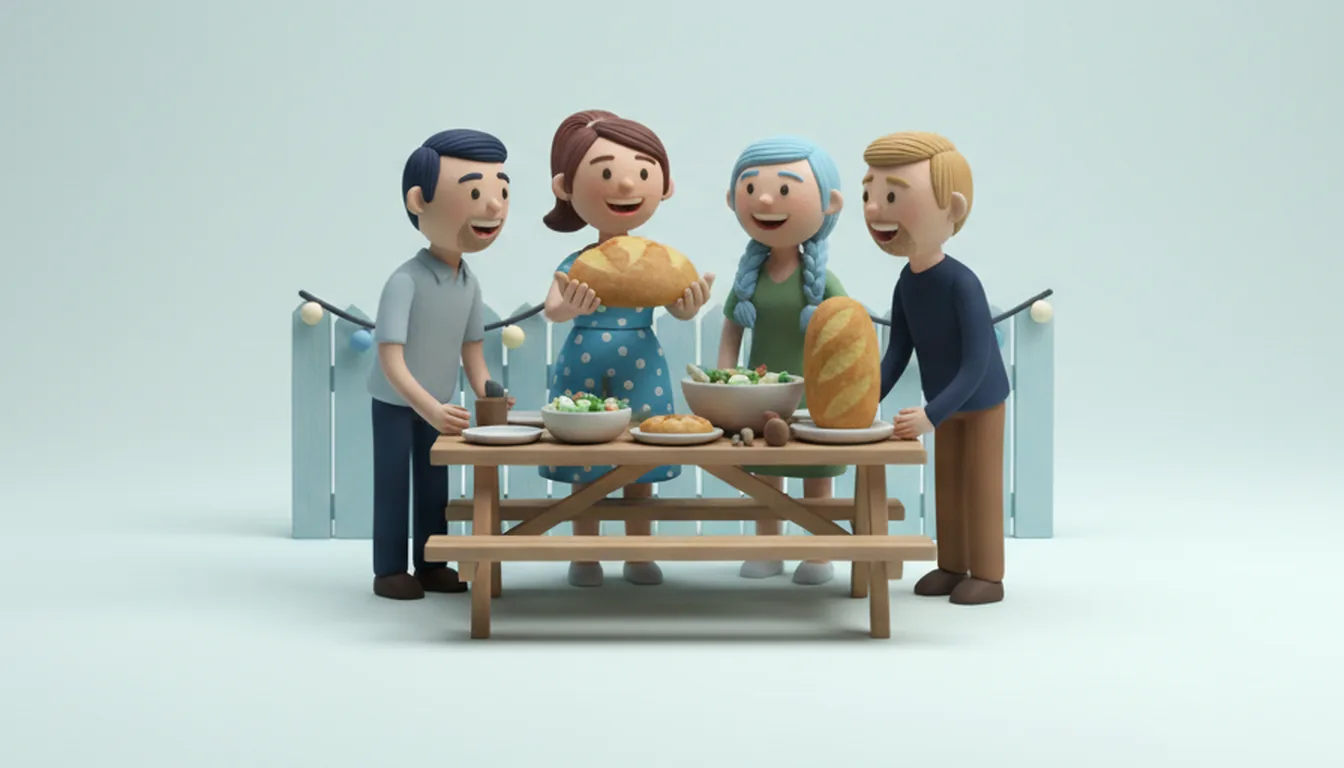
Comparison is the thief of joy means that when you measure your life against someone else's, you lose the pleasure you were taking in your own. Nothing about what you have changes. It only looks smaller next to theirs.
An example: Jo found that out with a loaf of bread. She spent a Saturday morning baking her first one, from a recipe her grandmother had written on an index card. It came out round, a little flat and golden, and she was delighted. She took a photo, wrapped it in a towel and carried it to a potluck at her friend Dev's house. On the table, next to the salads, sat Mira's sourdough: tall, dusted with flour, with a crust that crackled when Dev tapped it. Jo left her loaf in her tote bag. Two hours earlier she had been proud of it, and the bread itself had not changed. Only the thing next to it had.
What does comparison is the thief of joy mean?
The saying is about joy, so it is mostly about happy things: a trip you enjoyed, a home you love, a skill you are proud of. Comparison does not always make you sad or jealous. Often it just takes the shine off. You were enjoying your vacation photos until a friend posted hers from a nicer beach. You liked your small apartment until you visited your cousin's new house.
The thief in the phrase fits well, because joy is taken quietly, and often you only notice once it is gone. People also say "comparison is the death of joy" or simply "comparison is the thief," and they mean the same thing.
Who said it, and is it in the Bible?
The line is often credited to Theodore Roosevelt, but there is no record of him saying or writing it. That credit first shows up in 2012, long after his death in 1919. The earliest versions found so far are in two Christian books from 2003 and 2004. It is not a Bible verse either, though people often share it next to verses with a similar message about minding your own path.
Is comparison always the thief of joy?
Not always, because looking at others can also help. You watch a friend cook and pick up a trick. You notice how your brother keeps in touch with old friends and decide to call one of yours.
What matters is what you do with what you see. Comparison that teaches you something leaves you curious. Comparison that turns into a scoreboard leaves you feeling behind. A quick check: after looking at someone else's life, do you want to try something, or do you want to stop looking? The first is learning, and the second is the thief at work.
Friends, siblings and the feed
People tend to compare themselves with people like them, more than with strangers on the other side of the world.
Friends who started where you did
Friends from the same town or the same years make the easiest yardstick. You had similar plans at 25, and then life took you in different directions. One got married, one moved abroad, one bought a house, and each looks at the others and wonders if they chose wrong. That's why a friend's good news can sting a little even while you are truly happy for them. Green with envy looks at that pinch between close friends.
Grown brothers and sisters
Siblings were compared long before they could compare themselves, by parents, aunts and grandparents, and many keep doing it as adults. Who visits Mom more, whose home hosts the holidays, who seems to have it together. Two grown siblings can each think the other is doing better, and both can be wrong.
The feed on your phone
Social media shows everyone's best moments and almost none of the ordinary ones. You see a friend's anniversary dinner and miss the argument about the dishes afterward. Comparing your whole life with other people's highlights is a contest you cannot win, because only one side shows its messy days.
What each type tends to measure
Most people don't compare everything. Each of us keeps measuring one or two things, and which ones can follow personality type. Here are six of them, as the types page lists them:
- Vitalizer: measures closeness and fun. Whose birthday drew the bigger crowd, who got invited to the beach weekend. Hosting something small and enjoying the people who come helps more than counting who didn't.
- Commander: measures results and strength. Who runs faster, whose renovation is done, who is ahead. Racing only against their own last year keeps the drive without the sour taste.
- Dreamer: measures where lives are heading. A friend with a clear path can make their own slower pace feel late. Looking back five years can show them how far they have come.
- Diplomat: measures presence and looks. Who turned heads, who got the laughs, who looked best in the photos. Jumping into the fun instead of watching it from the side tends to switch the measuring off.
- Counselor: measures closeness in other people's relationships. How warm other couples seem, how easily other families talk. One honest conversation with a friend often shows that other families have hard days too.
- Encourager: measures freedom and growth. Who travels, who tries new things, who seems to be turning into someone new. A list of what they tried this year often surprises them.
Don't compare yourself to others: small ways to do it less
You won't stop comparing completely, and you don't need to. These habits make it happen less often and sting less when it does.
- Notice the moment. The first sign is often a small drop in mood right after you see something. Name it in your head: "I'm comparing."
- Compare with your own past. You a year ago, or five years ago, is a fairer measure than a friend who started from a different place.
- Ask instead of guessing. If a friend's life looks perfect, ask how it really is. The answer is often more mixed, and the conversation brings you closer.
- Say the nice thing out loud. "Your new kitchen looks great" turns a quiet comparison into a compliment, and the sting often goes with it.
- Take a break from the feed. Mute anyone whose posts make you feel behind, even if only for a week.
- Write down what you enjoyed. Three things a day that you liked, with nobody else in the sentence. It trains your eye back onto your own life.
Sometimes the comparing is about a whole other life, a different city or a different path. The piece on the grass being greener looks at why other lives look better from a distance. When the comparing quiets down, there's room to be content with the life you already have.
The loaf in the tote bag
Around nine, Dev went looking for a corkscrew and found Jo's bread in her bag. "Whose is this?" he asked, already cutting it. It was gone in ten minutes. Mira had two slices and asked for the recipe. Jo laughed and admitted she had almost taken it home again.
See what your type tends to compare
Each type tends to measure itself on one or two things, and knowing yours makes the habit easier to catch. You can find your own type on the free personality test. If you keep comparing yourself with one friend, your result has a link that sends them the same test. Once they answer, you both read your relationship type, the places you get along without trying and the places you tend to clash.
Questions people ask
What does comparison is the thief of joy mean?
It means that measuring your life against other people's takes away the pleasure you take in your own. Your things stay the same and only look smaller next to someone else's.
Who said comparison is the thief of joy?
It is often credited to Theodore Roosevelt, but there is no record that he said it, and that credit first appeared in 2012. It is also not a Bible verse.
Why is comparison the thief of joy?
Joy comes from enjoying what is in front of you, and comparing moves your attention to what someone else has. You also tend to compare your ordinary days with other people's best moments.
Is comparison ever a good thing?
Yes, when it teaches you something or shows you what you want. It becomes a thief when it leaves you feeling behind instead of curious.
How do I stop comparing myself to others?
Notice when it happens, compare with your own past, ask friends how things really are and take breaks from the feed.
Sources
- Quote Investigator, "Comparison Is the Thief of Joy". The 2003 and 2004 books, the Roosevelt credit from 2012, and "comparison is the death of joy" as a later variant.
- Wikipedia, "Social comparison theory". Leon Festinger's 1954 idea that people compare themselves most with people like them, and that comparing up can also inspire.
Written by Virko Kask, founder of Typeza
Written with the help of AI tools.
One question for two, every week
A question to ask your partner, friend or family, and how different types tend to answer it.
Free. Unsubscribe any time.