
How to be content: what contentment is and how it looks for each type
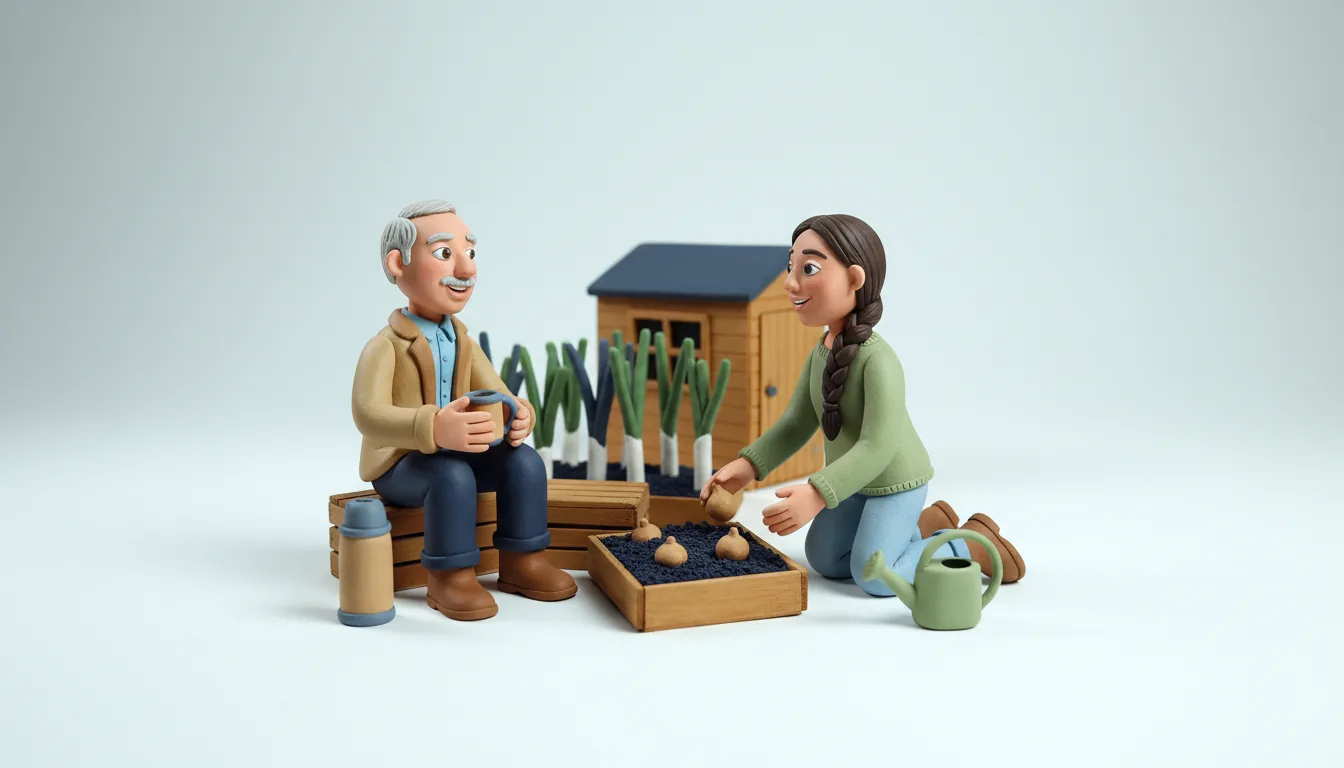
Being content means feeling that your life, as it is right now, is enough. It's a steady, quiet kind of good, and it can sit right next to plans and wishes for more. Happiness tends to come in peaks, like a great day or a piece of news. Contentment is more like the floor you stand on between them.
An example: Anya spends one Saturday morning a month at her father's allotment. Walter is 71 and has worked the same plot for nineteen years. When she arrived one autumn morning, he was already sitting on his upturned crate with a thermos of tea, looking at a row of leeks as if it were a good film. Anya couldn't sit down. She knelt at the raised bed beside him and pressed onion sets into the soil one by one. "You could stop, you know," Walter said. "I'll stop when it's done," she said, and smiled up at him. Forty minutes later she pressed in the last one, pulled the second crate over and sat down next to him. He passed her the cup. For the first time that week, she felt there was nothing she had to do next.
Is being content the same as being happy?
The two are close, and people often use them as if they meant the same thing. They feel different from the inside, though. Happiness rises and falls with what happens to you. Contentment is a settled sense that things are all right as they are. You can be content on a dull Tuesday with nothing planned. You can also be happy at a party and not content at all, because a worry is waiting for you at home.
The word itself gives a hint. It comes through French from a Latin word meaning held in or contained. When you're content, what you want fits inside what you have, at least for now.
Content is also different from satisfied. Satisfied usually points at one thing, like a meal or a finished job. Content describes your life more broadly. If you're after the brighter, louder side of feeling good, what makes you happy is the better place to start.
What feeling content is like
Feeling content is quieter than most people expect. There's no rush of excitement. Instead, a few small things change.
- You can enjoy something small without hurrying on to the next thing.
- You stop checking your phone for something better to do.
- Other people's news doesn't make you feel behind.
- You don't need anyone to praise what you've done for it to feel worthwhile.
- An ordinary evening feels like plenty.
Many people feel this only in short stretches, like the first hour of a holiday or a Sunday afternoon with nowhere to be. That's normal. The aim is to have those stretches more often.
Calm for one person, a finished job for another
Walter and Anya were both content on those two crates. They just took very different roads to get there. Walter finds it in stillness. Anya finds it once the work is done. Neither way is better, and personality type is part of the difference. Here's how eight of the 16 types find it.
- Analyst feels content when things make sense. A quiet evening with a good book and an idea that finally clicks is close to perfect.
- Inspector settles when everything is in its place. The bills are paid, the plan for tomorrow is ready, and nothing has been left half done.
- Dreamer finds it in a quiet hour with nothing pulling at them, like rain on the window and time to think.
- Strategist can relax once there are no loose ends. The problems they saw coming have been dealt with, so their mind can rest.
- Entrepreneur feels content after a useful day. A Saturday that got something real done beats a lazy one.
- Guardian is at peace with a few trusted people close by and nobody pretending to be something they aren't.
- Organizer sits down only once the job is finished, and then sits down very happily. Anya would know this one.
- Craftsman is content in the body first. A warm room, a good chair and food that was made well do most of the work.
This can explain some small friction at home. When your partner can't relax until the dishes are done, that's simply what contentment asks of them. And a friend who lies on the sofa all Sunday afternoon is refilling in her own way.
Content with what you have, and still making plans
A common worry is that being content means giving up. If you feel fine with what you have, why would you ever reach for more? In practice, content people make plans all the time. Walter orders his seeds every January and talks about next year's beans for weeks. Anya still wants a garden of her own one day.
The difference is that the plan doesn't spoil today. You can be content with your small apartment and still save for a house. You can enjoy the friends you have and still be glad to meet new ones. Wanting more is fine. Needing more before you're allowed to feel okay is what wears people down. The old saying that money can't buy happiness makes the same point. A bigger home feels new for a while, and then it's just home.
If you want to be content with what you have, try this. Next time you catch yourself thinking "I'll relax when...", finish the sentence honestly and ask whether that day will really come. Then find one thing you can enjoy before it does.
Small habits that make room for contentment
None of these needs much time. Pick the ones that suit how you're built. They're the kind of small daily choices behind the saying happiness is a choice.
- Give each day an end. If a finished job is what settles you, make a short list you can actually complete, and stop when it's done.
- Protect five still minutes. If calm comes easily to you, guard it. Sit with your coffee before you open any messages.
- Notice what's already good. Many people find that a short list of things to be grateful for, written in the evening, helps them see what they have.
- Decide what enough looks like before you start. Enough tidying for today, enough guests for Saturday, enough spending for this month.
- Spend time with people who seem content themselves. Their ease tends to rub off, and so does a bad mood, which is what misery loves company is about.
- Leave your phone in another room for one evening a week and see how the evening feels.
What gets in the way
One big thief is comparison. You were pleased with your weekend until you saw a friend's photos from a lake. Seeing how others live can turn a good life into a lacking one in a few seconds, and comparison is the thief of joy looks at how to do less of it.
A second is the moving finish line. Some people always have one more goal to reach before they'll let themselves feel fine, and when they reach it, the line moves again.
A third is living by someone else's idea of enough. A parent, a friend group or your feed can quietly set the bar for you. It helps to ask whose bar you're trying to clear.
See what contentment looks like for you
For one person contentment is an hour on a crate with nothing to do, and for another it is the last job finished, and which one you are depends a lot on type. The free personality test tells you your type and its easy strengths and harder spots. Send a parent or a friend the link from your result. After they answer, you both learn your relationship type, including what usually flows between your two types and where one of you needs patience with the other.
Questions people ask
How can I be content with my life?
Notice what already works, set your own idea of enough and compare yourself to others less often. Build in the kind of rest that suits you, whether that's stillness or a finished job.
Can you be content and ambitious at the same time?
Yes. Contentment is about how you feel today, and ambition is about where you want to go. Many people have both, and the plans often go better from a settled place.
Sources
- Dictionary.com, "content": the adjective came into English from Middle French, from Latin contentus.
- Wiktionary, "content": Latin contentus is the past participle of continere, "to contain", so its first sense was "contained".
Written by Virko Kask, founder of Typeza
Written with the help of AI tools.
One question for two, every week
A question to ask your partner, friend or family, and how different types tend to answer it.
Free. Unsubscribe any time.