
How to become a better person: small changes that fit your type
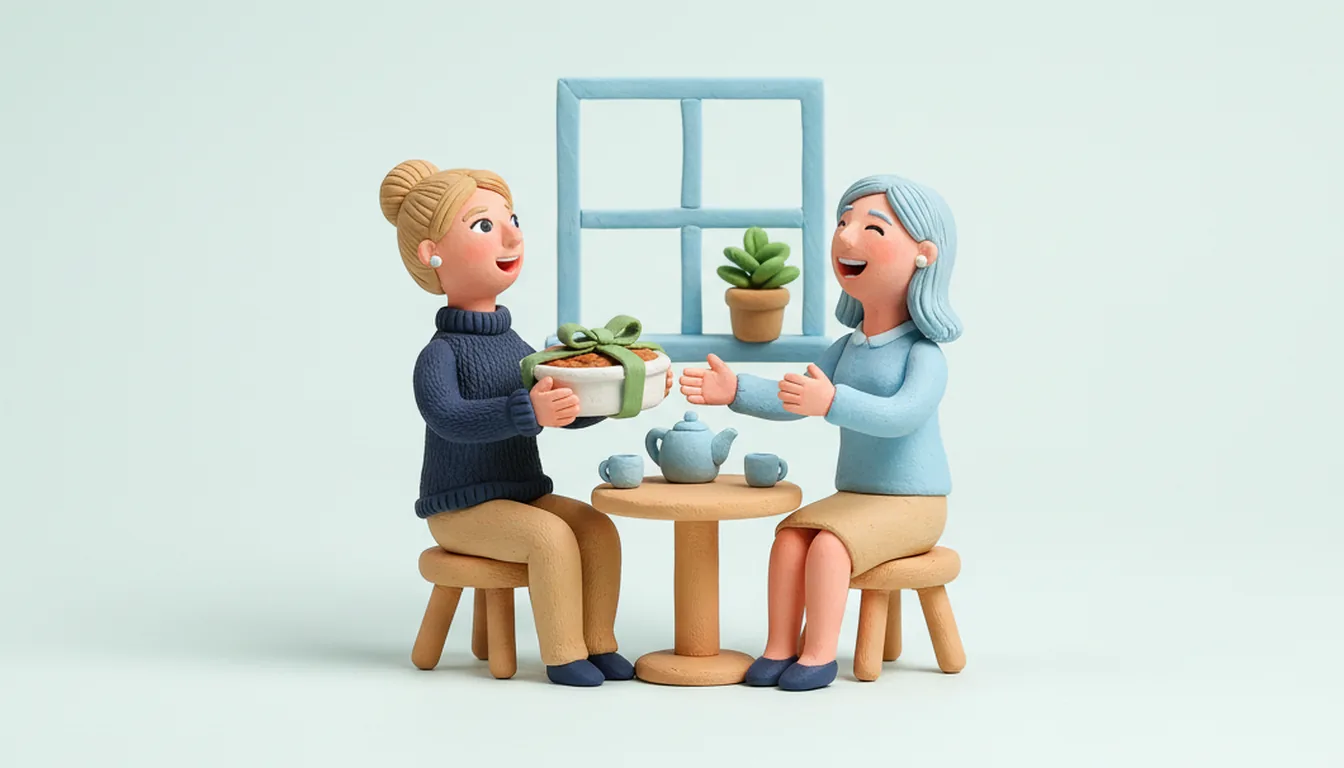
The way to become a better person is to pick one small, concrete habit that makes life a little easier or kinder for the people near you, keep it until it runs on its own, and then add the next one. Better does not mean saintly. It means a bit more honest, a bit more reliable and a bit more attentive than you were last year. The habit that helps most also differs from person to person, because every personality type has its own easy strengths and its own blind spots.
An example: Selma writes a New Year list with twelve lines, from calling her grandmother every Sunday to never gossiping again. Six weeks later the list is in a kitchen drawer, and she feels worse than before she wrote it. So she tries something much smaller. Whenever a friend sends her news, she answers that same day with a real sentence instead of a heart. That is the whole plan. Months later her friend Ravi says, out of nowhere, "You've been so there for people lately. Did something happen?" Nothing has happened. Selma has changed one habit, and the people around her can feel it.
What a better person actually does
Take away the big words, and people who call someone a good person tend to mean a few plain things. Such a person:
- keeps their word, including the small promises nobody would chase;
- notices other people and remembers what matters to them;
- owns their mistakes without a long speech about why;
- stays fair when they could get away with less;
- leaves people and places a little better than they found them.
None of that requires a new personality. Quiet or loud, planner or improviser, anyone can do all five. These are choices, and repeated choices are what people mean by character. Personality vs character explains that split in more detail.
Why one small habit beats a long list
Big resolutions fail for ordinary reasons. They are vague ("be kinder"), they ask for many changes at once, and they depend on how you feel that day. A small habit is specific, takes a minute and is tied to a moment that already happens: when a friend sends news, when you walk into the kitchen, when you hang up after a call. Bigger life goals work the same way once you cut them into small steps.
Small habits also get noticed. Nobody can see that you have decided to become more thoughtful. They do see that you asked about their mother's surgery and remembered the date.
A good habit for this has three marks. You can describe it in one sentence. By bedtime you know if you did it. And somebody other than you is better off for it.
Twelve small ways to be a better person
Pick one of these. Only one, for now.
- Reply with a real sentence. When someone shares news, answer with words, not only a reaction.
- Return things within a week. Books, dishes and the folding chairs from the party all count.
- Pay back small debts the same day. The coffee, the cab, the concert ticket.
- Ask a second question. "How was the trip?" is polite. "What was the best thing you ate?" shows you were listening.
- Apologize without "but." "I'm sorry I was late" is already complete.
- Thank people by name. The barista, the bus driver, your partner after they did the dishes.
- Leave a kitchen cleaner than you found it. At home, at a friend's place, at your parents' house.
- Write down birthdays and big dates. Then actually send something on the day.
- Stop one story before it turns into gossip. "Let's not talk about her while she's not here" is enough.
- Show up when you said you would. For someone who hates waiting, arriving five minutes early is a kindness.
- Let people finish their stories. Even the ones you have heard before.
- Check on the quiet one. In many friend groups someone goes silent for a while. Send them a message.
The best first habit for your type
Each personality type does some things well without trying and has one or two spots where a small habit makes a big difference. Here are first habits for ten of the 16 types:
- Ideator: finish one small promise before starting the next idea. Ideators begin a lot of things, and the people around them are happiest when some of those things also end.
- Harmonizer: say the awkward thing early. A short "that doesn't work for me" today spares everyone a bigger clash in a month.
- Vitalizer: ask before you rush in to help. Sometimes a friend wants company more than a rescue.
- Analyst: say one warm thing out loud each day. They often think it already. The habit is letting it out.
- Commander: ask how someone feels before deciding what to do about it. Speed is their strength, and a short pause lets the other person catch up.
- Dreamer: put a date on one task you have been circling for weeks, then tell a friend so it becomes real.
- Strategist: answer messages on the day they arrive. Their silence usually means deep thought, and to a friend it can look like distance.
- Guardian: give one second chance this month. Their standards are high, and an old grudge can quietly close a door for good.
- Counselor: hand one practical job to someone else this week, like booking the table or sorting the tickets. They tend to carry everyone's feelings and the logistics on top.
- Craftsman: put a feeling into words once a week. They show care with their hands, and the people close to them like to hear it too.
If you are not sure which of these is you, the test at the end of this article shows your type.
Being better to the people closest to you
Strangers often get our best manners, and the people we live with get what is left over. A few habits aimed closer to home:
- With a partner: notice one thing they did today and say so. "Thanks for sorting the bills" lands better than a general "you're great."
- With friends: be the one who makes the plan now and then, especially if you usually wait to be invited.
- With parents: call when nothing is wrong. Five minutes about nothing tells them more than one long call at Christmas.
- With grown siblings: let old roles go. Your brother may still be "the messy one" in your head while he runs a whole household.
For the friend side of this, how to be a good friend goes into more depth.
How to tell it's working
You will not wake up feeling like a new person, and that is fine. Look for small signs instead. People tell you their news sooner. You apologize less, because there is less to apologize for. Someone says "thanks for remembering." The best sign is that the habit stops feeling like effort, and that is the moment to add the next one.
Expect slips along the way. A missed day does not undo a good month, so pick the habit up again the next time the moment comes around.
How to improve your life
Improving your life works much like becoming a better person. Big plans stall, and one small change that you keep does more. What changes is where you aim. Habits that make you a better person help the people around you, while habits that improve your life make your own days easier.
Start by naming the part of your week that bothers you most. Then choose one change you can make in the next seven days:
- Sleep. Go to bed thirty minutes earlier on work nights.
- Money. Set up an automatic transfer to savings on payday.
- Home. Clear one shelf or drawer each weekend.
- People. Call one friend you've lost touch with.
- Work. Block one hour a week for the task you keep putting off.
Once that change feels normal, move on to the next part of your week. It also helps to notice what already works. Take a short look at the people and small moments you'd hate to lose, like the ones on this list of things to be grateful for, and you'll know what to protect while you change the rest.
Find the small change that suits you
Selma's habit worked partly because it fit her. She was already warm, and she simply let it show faster. Your own first habit depends on where your type is strong without effort and where it tends to stumble. The free personality test can point to both. You pick the truer of two statements, 41 times, and then your type comes up on screen. Next to it you see where you stand on four base traits, plus a free profile that lists what your type is good at and where it struggles. None of it needs an account.
Want to do better by one person in particular? Send them an invite to the same test from your result page. Inviting needs a free account. Once they have answered, you get your relationship type side by side, including the spots where you tend to rub each other the wrong way.
Questions people ask
Where should I start?
Start with your most common gap. If you often run late, start with time. If friends feel forgotten, start with replies and birthdays.
Can you become a better person without changing your personality?
Yes. Personality is your style. Being a better person comes down to choices and habits, and every type can make them.
How long does it take to become a better person?
There is no finish line. In one study, a new daily habit took 66 days on average to feel automatic, and anywhere from 18 to 254 days. The people around you may notice before you do.
Sources
- Wikipedia, Habit. A new habit took 66 days on average to become automatic, with a range of 18 to 254 days (Lally and colleagues, European Journal of Social Psychology).
Written by Virko Kask, founder of Typeza
Written with the help of AI tools.
One question for two, every week
A question to ask your partner, friend or family, and how different types tend to answer it.
Free. Unsubscribe any time.