
How to be a good friend, and how to be a better one to each friend you have
Being a good friend means showing up, being honest and kind, keeping what your friend tells you to yourself and caring about their life on ordinary days too. To be a better friend, learn what this one friend needs, because the same help feels like care to one person and like too much to another.
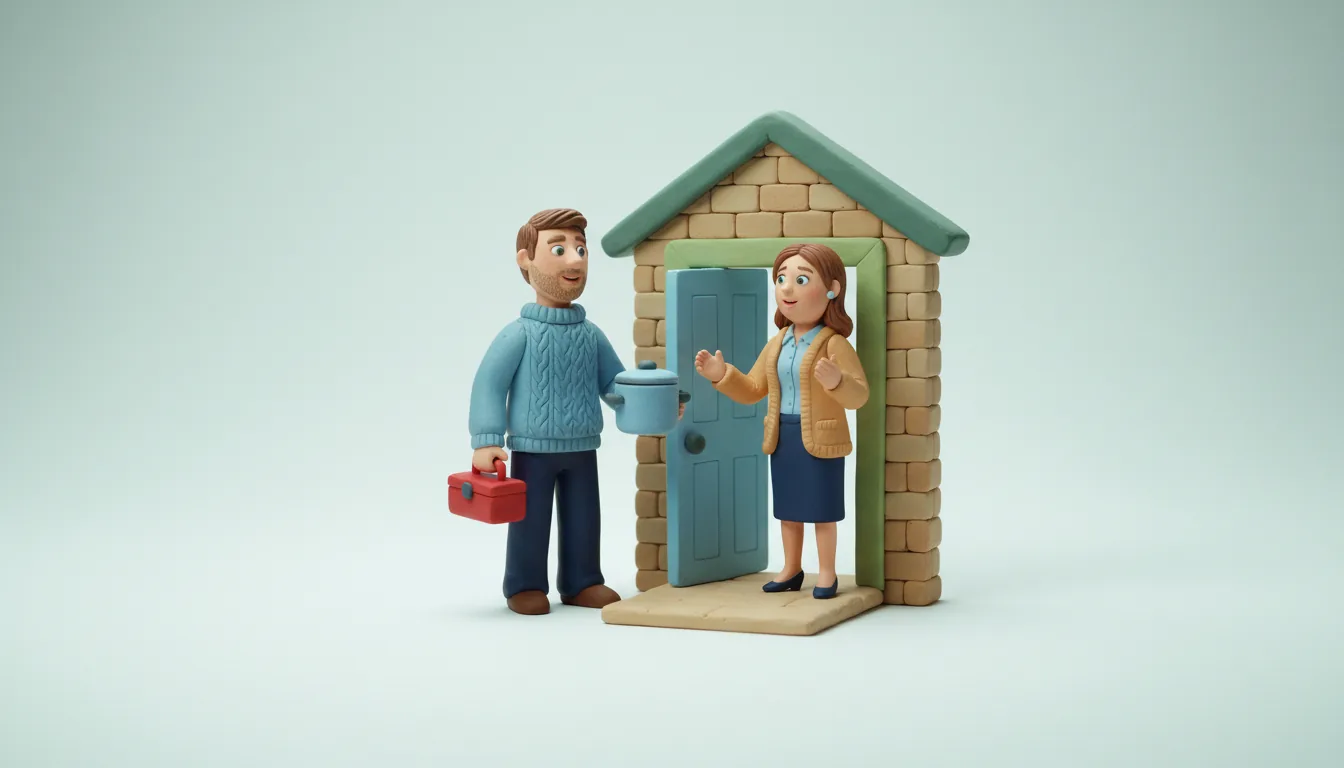
An example: when a woman's father was in hospital, her oldest friend called every evening to ask how she was. Her newer friend hardly called at all. He came over on Saturday, fixed the dripping tap in her kitchen and left a pot of soup in the fridge. She felt more cared for by the soup. Both friends were trying hard. Only one of them gave her what she needed that week.
What does it mean to be a good friend?
A good friend is someone you can rely on and be yourself with. They are on your side, and they will also tell you when you are wrong. They are glad when things go well for you. When things go badly, they do something about it, even if it is small.
Being a good friend does not mean being perfect or always free. Everyone forgets a birthday or goes quiet for a month. What counts is the overall feeling your friend has: that you care, that you are there when it matters and that they can trust you.
For the traits people look for in a friend, types of friends covers the qualities of a good friend. This article is about what you do.
What does a good friend do?
Good friends do much the same things everywhere.
- They turn up for the big days and the hard ones.
- They listen without turning every story into one about themselves.
- They keep secrets.
- They tell the truth kindly, even when it is not what you want to hear.
- They are happy about your good news, without envy.
- They get in touch first sometimes, without keeping score.
- They apologize when they mess up.
- They respect your partner, your other friends and your time.
Doing all of it for every friend is another matter, and each personality finds some parts easier than others.
How to be a better friend
These small habits help with most friends.
- Remember and ask. If they had a job interview on Tuesday, ask on Wednesday how it went.
- Make real plans. "We should meet up" rarely happens. Suggest a day and a place.
- Offer specific help. "Can I bring dinner on Thursday?" works better than "Let me know if you need anything."
- Show up for the dull parts. Moving day, a long wait at the hospital, a car that will not start.
- Share your own life too. Friendship goes both ways. A friend who only listens can feel far away.
- Ask how they like support. Some people want advice. Others want to vent and hear "that sounds awful."
- Let them be different from you. A good friend does not try to turn you into a copy of themselves.
These points hold for every friendship, but how each one plays out depends on who the friend is. The soup at the start of this article was right for her. For someone else, the evening phone calls would have been the thing that helped.
How to be a good friend when life gets busy
Jobs, partners, children and moves fill the week, and friendships are often the first thing to slip. A few habits keep them alive, and most of them are small gestures that keep a friendship strong.
- Short and often beats long and rare. A two-minute voice message on Monday can keep you closer than one long dinner a year.
- Set a standing date. The first Sunday of the month, a weekly walk or a call on the drive home.
- Do ordinary things together. Shopping, the gym or walking the dog all count as time together.
- Say when you are stretched. "I've got a hard month, I haven't forgotten you" stops your friend from guessing.
- Get back in touch after a gap. Skip the long apology. "I miss you, are you free next week?" is enough.
Why couples and friends drift apart covers what to do when the distance has already grown, and how to get your friend back covers making up after a fight.
Why is it easy to be a good friend to one person and hard to another?
Socionics, the model Typeza uses, gives everyone one of 16 personality types and gives each friendship one of 16 relationship types. Your type decides what you give without effort, like warmth, ideas, order or practical help. The relationship type decides whether that lands where your friend needs it. These are four patterns friends often see.
When what you give is what they were missing
An Encourager is curious and warm and full of ideas about people. Her friend the Craftsman is calm, good with his hands and good at making things work. She brings him new ideas and new people and sees things he could try. He keeps her grounded. He fixes her bike, knows the quickest way to get anywhere and makes sure she eats when she forgets to. Theirs is Duality, the friendship that fits most easily. What they give each other feels like ordinary life to both of them. Their only job is to notice it and to say thank you now and then.
When you understand each other and get stuck together
Two Dreamers can talk for hours. They feel moods the same way, finish each other's thoughts and feel deeply understood. But when one of them has a practical problem, like a fight with the landlord or a deadline at work, both feel equally lost. They give each other a lot of sympathy and rarely a way out. This is Identity, where you share strengths and blind spots alike. A good friend here notices when sympathy is not enough and helps find someone who can solve the problem.
When it is easy and never gets deeper
An Inspector and a Guardian work well side by side. They help each other move house, lend each other tools and go to the same gym. They can do this for years without talking about anything personal. When one of them moves away, the friendship fades fast. This is Business, easy cooperation between people who rarely get close. A good friend here keeps the shared activity going and enjoys the friendship for what it is, without pushing for a depth that does not come.
When the friendship works best with a plan
A Harmonizer loves slow evenings, good food and an easy mood. An Entrepreneur is busy and quick and thinks in plans and results. A dinner together is lovely. She sets the table, he brings energy and stories. A week-long trip together goes wrong. He wants three sights before lunch, she wants a long breakfast, and each feels the other ruined the day. They are in Conflict, a pairing that intrigues from across a room and grinds in daily life. A good friend here suggests a clear occasion with an end time, like a dinner or a concert, and lets the friendship live there.
Your relationship type does not decide who your friends should be. It shows what you can give freely to each friend and where a little more thought pays off.
How to see what comes easily in your friendship
Two friends cannot tell which of these patterns they share just by hanging out. The free friendship compatibility test comes first, and your result then gives you a link to send your friend. When your friend finishes, Typeza spells out your relationship type, what each of you gives without trying and where the friendship asks for a little more care.
Questions people ask
What does it mean to be a good friend?
It means being someone your friend can rely on and be themselves with. A good friend shows up, listens, keeps secrets, tells the truth kindly and cares about the other person's life.
How can I be a better friend?
Remember what is going on in their life and ask about it, make real plans, offer specific help and ask how they like to be supported. Then adjust to the friend, because each one needs something a little different.
What are the most important things a good friend does?
Turning up when it matters, listening, keeping trust and being glad for the other person's good news. Getting in touch first now and then matters too.
How do I know if I am a good friend?
Check whether your friends bring you both their good news and their bad, and whether you know what is happening in their lives right now. When a friendship feels heavy for both of you, signs of a bad friendship may show you why.
Written by Virko Kask, founder of Typeza
Written with the help of AI tools.
One question for two, every week
A question to ask your partner, friend or family, and how different types tend to answer it.
Free. Unsubscribe any time.