
How to get your friend back after a fight, and when to let go
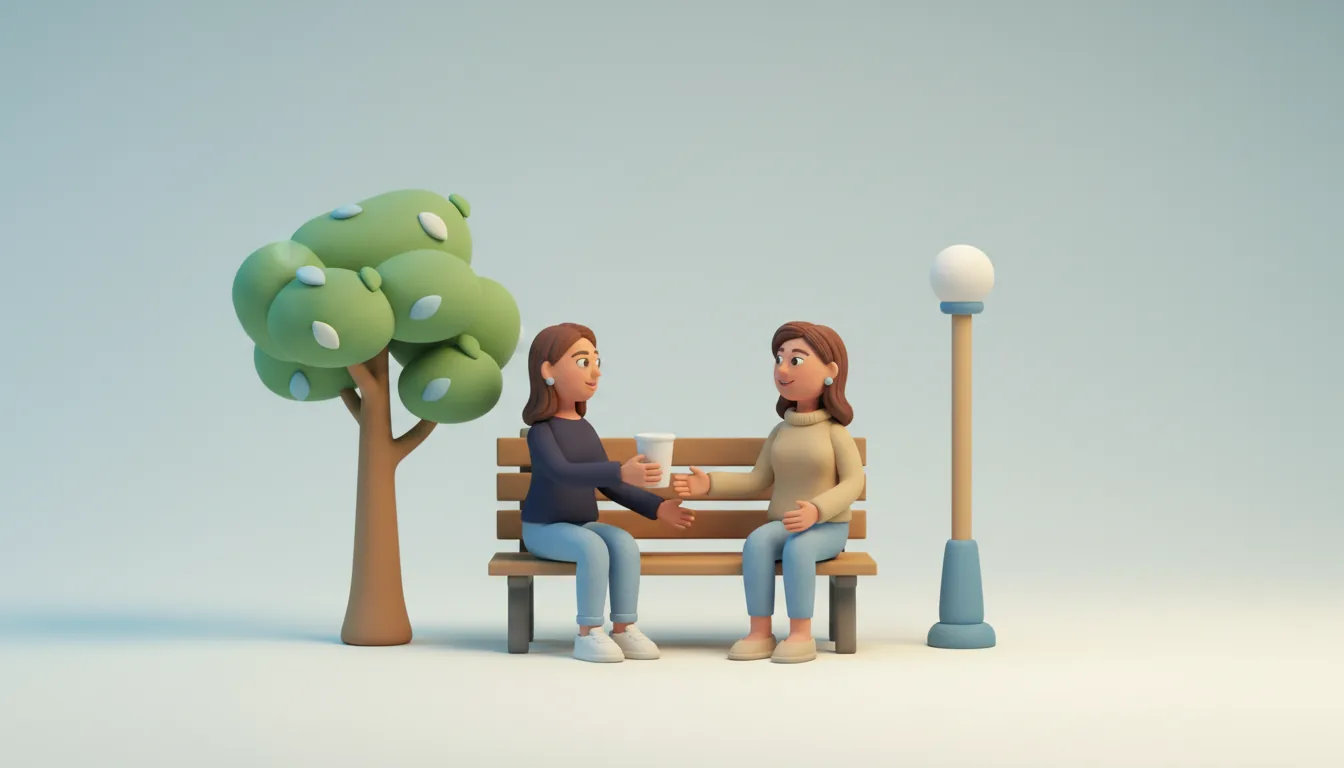
You can often get a friend back after a fight. It takes one person who reaches out first, a short and honest apology for your part, and time to rebuild trust without forcing it.
An example: they were best friends for twelve years. Then came a weekend away, a fight about money and a few sharp messages. Four months later, neither has called. One of them still starts typing a message every Sunday and deletes it. The other tells everyone she is fine and checks her friend's photos at night. Both want the friendship back. Neither knows how to make the first move.
Can you get a friend back after a fight?
Often, yes. One bad weekend doesn't have to end years of friendship. Some friends even get closer after a big argument, because they learn how the other person thinks.
The odds are best when the fight was about one event, both of you still care, and nobody did something that broke trust in a deep way. The longer you wait, the harder the first message feels. It rarely gets impossible.
First, work out what went wrong
Before you reach out, be clear with yourself about what happened. A friendship can break in different ways, and each needs something different:
- A fight about one thing. A comment, a missed event, a loan. This is often easiest to repair.
- Many small hurts. The fight was the last drop. You will need to talk about the pattern as well as the fight.
- Drifting apart. Nobody fought, you just stopped calling. Why couples and friends drift apart covers this. If a move put the miles between you, read long-distance friendship.
- A bad friendship. If the friend often put you down or used you, think twice. Signs of a bad friendship can help you tell a bad friend from a bad fit.
Ask yourself what your part was. Even if your friend did most of the damage, you may have said or done something you regret.
What to do when your friend is mad at you
If your friend is angry with you, the first step is to let the anger cool. A day or two is often enough for a small fight. A big one may need a few weeks.
While you wait:
- Do not post about the fight or talk about it with mutual friends.
- Do not send a long message in the middle of the night.
- Think about what hurt them, in their words, and not only what you meant.
Then reach out once, briefly and calmly. If they do not answer, give it time before you try again. If a second message also goes unanswered, third time's a charm looks at when one more try still makes sense.
How to get your friend back, step by step
- Reach out first. Someone has to go first, and it costs less than you fear.
- Keep the first message short. Say you miss them and that you are sorry for your part.
- Meet in person if you can. A walk or a coffee is easier than a long call.
- Listen more than you talk. Let them tell you how it felt. Do not argue about the facts.
- Apologize for your part, clearly. How to apologize covers what a real apology needs.
- Agree on what changes. If the fight was about money or plans, agree on how you will handle it next time.
- Start small. A short meeting, then another. Do not rush back to how things were.
What to say in your first message
A first message does not need to solve anything. It just needs to open the door. Some examples:
- "I miss you. I am sorry for what I said that weekend. Can we get a coffee?"
- "I have been thinking about our fight. I was wrong about some things, and I would like to talk."
- "I know I hurt you. No pressure, but I would love to see you when you are ready."
Avoid messages that blame ("I am sorry you felt that way") or that restart the fight. Keep the long explanations for when you meet.
How to get your best friend back
With a best friend, the stakes feel higher, and so does the pride. Years of history make the hurt deeper, and they also give you more to come back to.
It often helps to name the history out loud. "Twelve years is too long to lose over one weekend" says more than any explanation. A best friend also knows you well, so a simple and honest message often works better than a long, polished one.
How to fix a broken friendship after the first talk
The first talk is a start. Trust comes back through small, steady actions:
- Keep plans you make, even small ones.
- Check in now and then without a reason.
- Do something together that has nothing to do with the fight.
- If an old topic comes up, stay calm and stick to what you agreed.
Give it a few months before you judge whether the friendship is back.
Why is it easier to make up with some friends?
Some of it comes down to your relationship type. Drawing on socionics, Typeza gives each pair of types one of 16, and that pattern colors how two friends fall out and how they make peace. Some pairs fall out fast and make up fast. Others need a new kind of friendship after the fight. Four examples show the patterns.
When the fight was about almost nothing
A Diplomat and a Guardian fell out when she skipped his birthday dinner for a last-minute party. She lives in the moment, and he keeps every promise. To him, the missed dinner said everything. To her, it was one evening. This is Mirror, where both care about the same things and see them from opposite sides. Making up can be quick once one of them calls. She needs to show she takes it seriously, and he needs to give her a little time to prove it.
When you are both waiting for the other to call
Two Organizers fell out over who paid for what on a cabin trip. Both work hard, both are sure they were right and neither likes talking about feelings. Months pass while each waits for the other. Two of the same type make an Identity pair, and the blind spot they share is talking about feelings. In the end, one sends a practical message: "I still have your drill. Coffee on Saturday?" For these friends, a simple plan often works better than a talk about what went wrong.
When the fight was about a project you ran together
A Mentor and a Counselor were close for years. Then they organized a charity run together and ended up barely speaking. As friends who talk about life, they are wonderful. As a team, each one keeps slowing the other down. This is Extinguishment, which is good for long talks and hard for shared work. The way back is often to drop the project and keep the friendship.
When your friend's jokes always hit the same sore spot
An Ideator likes to tease his friend the Inspector, who lives by rules and lists. At a party, one joke too many led to a real fight. The Ideator meant no harm, and the Inspector has heard the same kind of joke for years. In this pair the Ideator is the Supervisor, and his offhand remarks keep landing on the other's weak spot. The Inspector is the Supervisee. These friends can make up and stay friends, often with a bit more distance and fewer jokes.
Some friends fall out again and again however often they make up. In Conflict, each person's way of talking lands badly on the other, and a lighter friendship, like seeing each other in a group, may suit both better.
The type does not tell you whether to save a friendship. It shows what making up is likely to need.
When to let go
Some friendships do not come back, even when both people try. It may be time to let go if:
- They have said clearly that they do not want to be friends.
- You have reached out more than once and heard nothing.
- The same fight keeps coming back, and each round hurts more.
- The friendship made you feel small long before the fight.
Letting go does not erase the good years. You can be grateful for them and still move on.
What kind of friendship are you trying to save?
Asking a friend to take a test right after a fight may be too much. Once you are talking again, it can be a light way to understand what happened. When the time feels right, start the free friendship compatibility test yourself and pass your friend the link it gives you. Once your friend is done, you learn which relationship type you two share and where your clashes tend to start, which makes the next fight easier to see coming.
Questions people ask
How do I get my friend back after a fight?
Wait until you are both calm, then send a short message that says you miss them and that you are sorry for your part. Meet in person, listen more than you talk and rebuild trust slowly.
Should I text first after a fight with a friend?
If you want the friendship back, yes. When both wait for the other to go first, often nobody does.
How long should you wait to talk to a friend after a fight?
A day or two for a small fight, a few weeks for a big one. Waiting much longer makes the first message harder.
Can a friendship go back to normal after a fight?
Often, yes. Some friendships even get stronger after a fight, because both people learn what matters to the other.
Written by Virko Kask, founder of Typeza
Written with the help of AI tools.
One question for two, every week
A question to ask your partner, friend or family, and how different types tend to answer it.
Free. Unsubscribe any time.