
Olive branch meaning: how to make peace first, by personality
An olive branch is a peace offering, a small gesture that tells someone you want to end a quarrel and be on good terms again. When you extend an olive branch, or hold one out, you make the first move toward making up, usually before every detail of the argument has been settled.
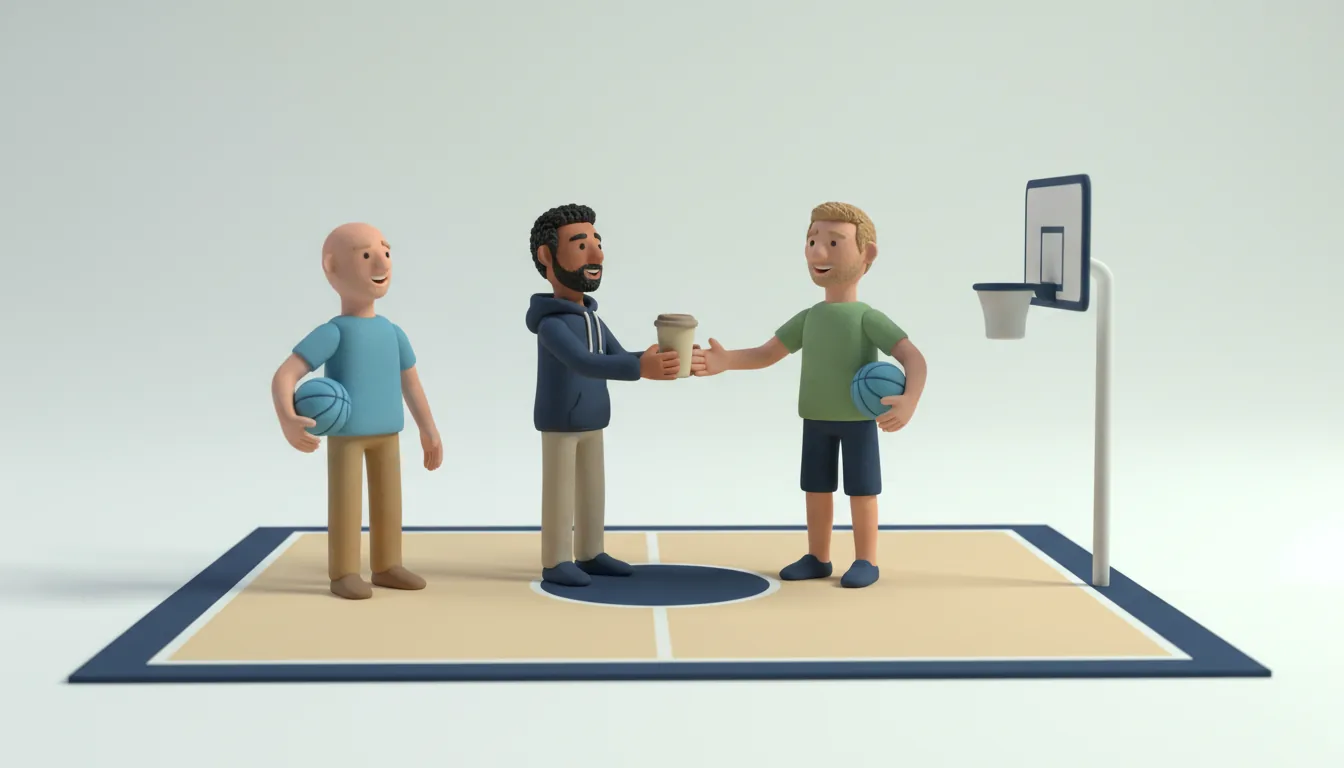
An example: Ruben lent Darius his tent for a camping weekend in August. It came back with a snapped pole, and when Ruben mentioned it, Darius laughed and said the pole was "basically like that already." Ruben didn't laugh. The pole bothered him less than the joke. For three weeks the two of them didn't speak, and Darius skipped the Thursday basketball game they had played with their friend Abe for six years. On the fourth Thursday, Darius walked onto the court in his navy hoodie holding a takeaway coffee. He held it out to Ruben and said, "Oat milk, two sugars. And I owe you a tent pole." Ruben tucked the ball under his arm and took the cup. Abe grinned and said nothing, which for Abe was a lot.
What an olive branch symbolizes
The olive branch has stood for peace since ancient Greece and Rome, where carrying one showed that you came without a fight in mind. Hardly anyone hands over a real branch today, but the gesture means the same thing. In plain words, it says you miss how things were and you're willing to go first.
It doesn't have to be an apology, though it often comes with one. Some olive branches are a single word. Others are a cup of coffee, a plate of cookies left on a doorstep or an invitation to something you used to do together.
Small olive branches people actually offer
Many peace offerings between friends and family are ordinary. A few that work:
- a text that mentions something you both find funny, with no reference to the fight
- an invitation to the regular thing, like Sunday lunch, a walk or a weekly game
- bringing their favorite snack or drink, the way they like it
- returning the borrowed thing, fixed or replaced
- a short note that says "I hate this. Can we talk?"
- asking their opinion on something small, which tells them you still value it
- showing up to help with a job they mentioned before the argument
The size of the gesture matters less than the timing and the tone. A huge gift after a small fight can feel like pressure. A tiny gesture after a big one can feel like you're skipping the hard part, which is where an apology belongs. For the words themselves, see how to apologize.
Making the first move without a speech
Going first is hard because it can feel like admitting the whole thing was your fault. It doesn't say that. It says the friendship matters more to you than who was right.
- Wait until you're calm, but not forever. A day or two is often enough to cool down. A month of silence makes the first step harder for both sides.
- Keep the first contact short. One line or one gesture. Save the long talk for later, when you both want it.
- Own your part plainly. Darius didn't explain why the pole broke. He said he owed Ruben one.
- Leave them room. Don't demand an answer today. "No rush, I just wanted you to know" takes the pressure off.
- Follow through. If you promised a tent pole, order the tent pole.
With a sibling, an old shared joke or a childhood memory often opens the door faster than any talk about the argument. With a friend, an invitation back to the usual thing tends to work, because it says the friendship is still there. With a partner, a quiet gesture at home, like making their coffee or saying "I don't want to be upset with you," usually lands better than a big conversation right away.
Who holds out the branch, and who waits to be asked
Some people reach out within an hour. Others can wait weeks, even when they miss the other person badly. Personality type explains a lot of that. Eight of the 16 types show how wide the gap can be.
- Ideator makes peace with a joke or a fresh plan, often very fast. The risk is moving on before the other person feels heard.
- Analyst wants to understand what went wrong first. Their olive branch may come a week later, as a careful, well-thought message.
- Mentor feels the distance strongly and often reaches out first, with warmth. They usually want to talk the whole thing through.
- Diplomat fixes things with a gesture and shows up in person. Coffee, a game, a plan for Saturday. Darius is one.
- Strategist goes quiet and steps back to think. Reaching out first feels hard, and taking a branch is far easier than offering one. Ruben is one, which is why three weeks went by.
- Entrepreneur makes peace by doing something useful. They replace what broke, pay for the damage or solve the problem that started it.
- Guardian cares a lot about whether they were treated fairly. They need to know the hurt was seen before they can take the branch, and once they do, they mean it.
- Counselor avoids open conflict and may send a soft message or a small kind gesture. Naming the problem out loud is the hard part for them.
If you're the one who waits, it can help to know the other person may be waiting too, for the same reason.
Taking the coffee: how to accept an olive branch well
Accepting a peace offering is its own skill. A few things help:
- Take it. Even if you're still a bit sore, a "thank you" keeps the door open.
- Don't make them earn it twice. A long list of everything they did wrong can undo the first step.
- Say what you need, briefly. "I'm glad you came. The joke about the pole is what got to me" is enough.
- Give something back. A smile, a return text, an invitation of your own.
- Let it be a little awkward. The first game, lunch or call after a falling-out often is, and it gets easier after that.
If you find you can't take it yet, say so kindly. "I'm not quite there, but I'm glad you reached out" is honest and leaves room for later. Some hurts take longer to let go, and holding grudges for months tends to cost the one holding them most.
When the branch isn't taken
Sometimes you go first and nothing comes back. That hurts, and it doesn't mean the offer was wrong. Give it time, and don't send five more messages to make up for the silence. One more gentle try after a few weeks is fair. If a close friend is still far away after that, how to get your friend back goes into the longer road. And if you decide the friendship is over, burning bridges looks at how to step away calmly.
Find out why one friend makes peace first
Some people hold out an olive branch within a day and others wait a month, and type often decides who moves first. The free friendship compatibility test shows your strong points and what you need from friends. Send your result's link to the friend you quarreled with. When they finish, your relationship type shows the easy side of your friendship and where an argument tends to start.
Questions people ask
What does an olive branch symbolize?
It stands for peace and the wish to make up. Offering one means you want to end a disagreement and get back on good terms.
What does it mean to extend an olive branch?
It means making the first friendly move after a falling-out, such as a kind text, an invitation or a small gift, to show you'd like to make peace.
Where does the olive branch as a peace symbol come from?
People in ancient Greece and Rome carried olive branches as a sign that they came in peace, and the meaning has lasted ever since.
Is an olive branch the same as an apology?
Not always. An apology names what you did wrong. An olive branch is the offer to make peace, and it may or may not include saying sorry.
How do you respond to an olive branch?
Accept it warmly, even if you're still a little hurt. Thank the person, say briefly what bothered you if you need to, and offer something friendly back.
Sources
- Wikipedia, "Olive branch": Greek supplicants carried an olive branch, and Roman envoys used one as a token of peace.
Written by Virko Kask, founder of Typeza
Written with the help of AI tools.
One question for two, every week
A question to ask your partner, friend or family, and how different types tend to answer it.
Free. Unsubscribe any time.