
Main character syndrome: meaning, signs, and main character energy
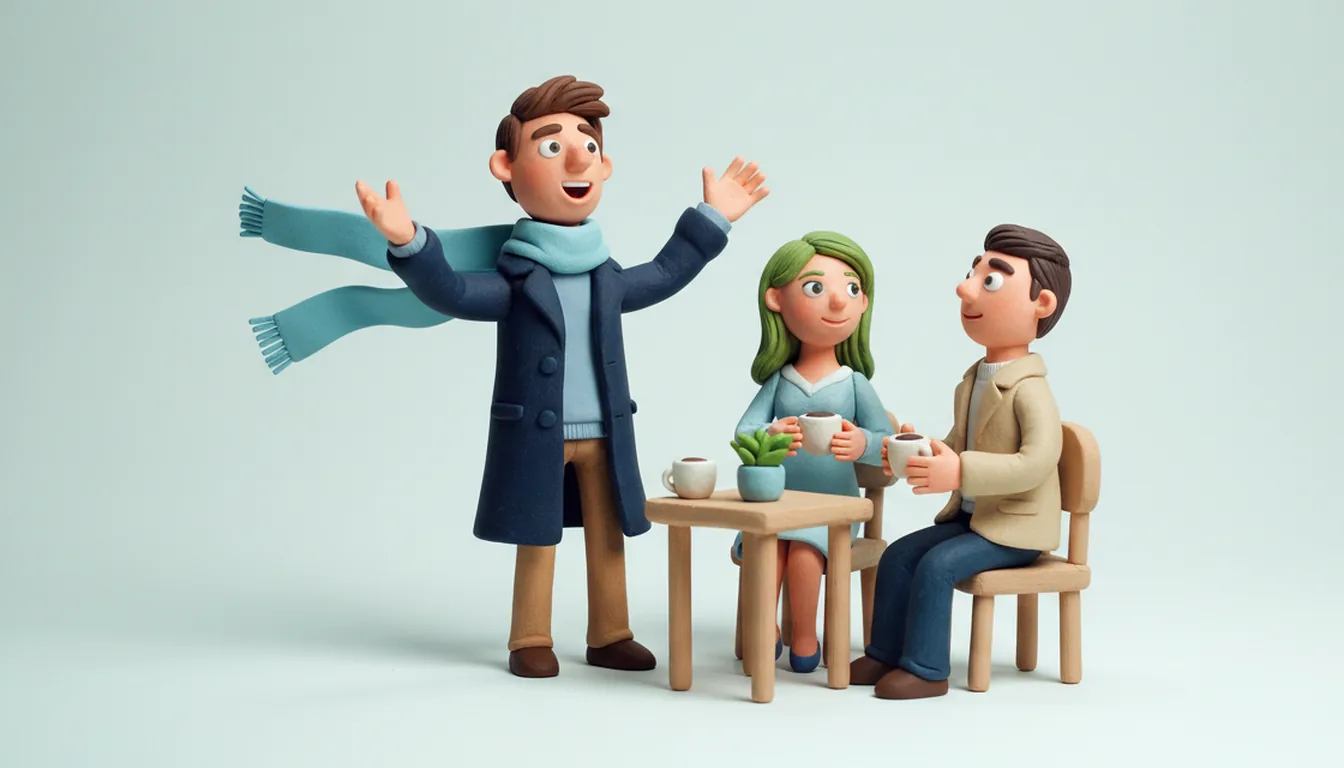
Main character syndrome is internet slang for acting as if you are the hero of the story and everyone else has a supporting role. People say it as a joke, sometimes as a gentle dig, and it is never a diagnosis.
An example: Jake is telling his friends about his morning. The bus was late, the barista spelled his name wrong, and he had to take the stairs. He tells it like the opening of a film, with long pauses, a slow look out of the window and a line about how "some days just test you." His two friends nod along. One of them got big family news this morning. Nobody has asked her about it yet.
What does main character syndrome mean?
In a film, the main character is the one the camera follows. Their feelings drive the plot, and the other people are there to help them, block them or admire them. Main character syndrome is when a person starts to see real life that way. Their mood sets the tone, their stories fill the evening, and other people's news becomes a side scene.
The phrase took off on social media, TikTok among them, where people film their walks, coffee runs and train rides as if they were scenes from a movie. A lot of that is pure fun. The "syndrome" part is the joke people make when the habit spills over into how someone treats friends and family.
Calling someone a main character is a light way of saying "you are making this about you."
Signs of main character syndrome
Many people show one or two of these on a bad day. The label fits when they show up all the time.
- You turn other people's news into a story about yourself.
- You picture your day as a set of scenes, with you at the center of each one.
- You expect the group plan to bend around your mood.
- You often feel that people are watching you.
- You tell small events as if they were big ones.
- You lose interest when the talk moves away from you.
- You cast your friends in roles, like the loyal one or the rival.
- You post your life as if it has an audience, and you check who watched.
- Other people's bad days feel like an interruption to yours.
Main character energy vs main character syndrome
Main character energy is the friendly cousin of the syndrome. It means living your own life fully: wearing what you like, going to a concert alone, taking yourself out to dinner and enjoying small moments without waiting for anyone's permission. People say it as a compliment.
The difference shows in what happens to everyone else.
- With main character energy, you are the lead in your own life, and you let others be the lead in theirs. You can cheer for a friend's big moment as easily as you enjoy your own.
- With main character syndrome, you want to be the lead in everyone's life. Other people's moments turn into scenes in your story.
When people talk about main character vibes or main character traits, they usually mean the energy side: confidence, a sense of style, a small daily ritual you treat as special, and the habit of noticing beauty in ordinary things.
What is a main character moment?
A main character moment is a short stretch when life feels like a film. You walk home in the rain with music in your ears, catch a perfect sunset on a road trip or walk into a party in a new outfit. Everyone has these, and enjoying them is fine. The syndrome starts when you need other people to play along.
Spotlight lovers and background people
Wanting attention is part of some people's nature, and it does no harm by itself. Some people come alive when others are watching. A few of the 16 types tend to light up a room:
- Vitalizer: lifts the energy of any room and loves bringing people together.
- Mentor: feels everything strongly and says it with drama and passion.
- Commander: walks in and takes charge without asking.
- Diplomat: reads a room in seconds and changes it by force of personality.
Others are happier backstage:
- Harmonizer: makes everyone comfortable and rarely asks for credit.
- Inspector: keeps things running while others talk.
- Strategist: watches, thinks and speaks when there is something worth saying.
- Craftsman: likes to observe first and let the work speak.
Neither group is the main character type. A Vitalizer can have plenty of main character energy and still care a lot about whether everyone else is having fun. A quiet Craftsman can have the syndrome in a smaller form, by expecting the whole family to plan around their routine. The syndrome is a habit. Any type can pick it up, and any type can drop it.
It also helps to keep it apart from a strong personality. Someone can hold firm views, say them loudly and still listen well. Some people also play a bigger part than they feel, because a job or a family expects it. Personality masks covers how to tell a role from the person underneath.
The people others are drawn to are often the opposite of a main character. They make everyone around them feel like the lead for a while. Magnetic personality looks at why.
How to keep the energy and lose the syndrome
If you saw yourself in the signs above, a few habits help.
- Ask one more question. When a friend shares news, ask a follow-up before you tell your own story.
- Count the airtime. After a dinner, think about how much of the talk was about you. More than half, most nights, is a sign.
- Let others have their big day. At a friend's birthday or wedding, your job is to cheer.
- Keep the fun parts. Dress up for no reason, take yourself on a date and enjoy the walk home with music. None of that hurts anyone.
- Notice who goes quiet. If someone in the group stops talking when you start, bring them back in.
When a friend acts like the main character
Many people with main character syndrome don't notice it. A light, direct comment works better than hints: "Hey, Jamie had big news today. Did you hear?" If it keeps happening, say something in private and keep it kind. Some people are glad to know.
If the friend is fun and generous in other ways, you can also enjoy the show and get your own airtime with other friends. Every friendship has its own balance, and some of them are lopsided in a way both people enjoy.
Your type and the spotlight
How much you want the spotlight has something to do with your personality type. You can check yours with the free personality test, which hands you no role: two statements at a time, you pick the one closer to you, and no answer is the right one. The result shows your type and how outgoing or reserved you came out, plus the other three base traits. Your type's free profile covers its strengths and its blind spots, which helps if you suspect you are a bit of a Jake. You see your type without signing up.
If you have a friend who always takes the stage, or one who never does, ask them to take the same test through your result. When both of you are finished, the relationship type you make appears, with a short note on how each side usually experiences it.
Questions people ask
Is main character syndrome a real thing?
As a habit, yes. As a condition, no: it is slang, not a medical term or a diagnosis.
What does main character energy mean?
Confidence in living your own life. You do what you enjoy, dress how you like and treat ordinary moments as worth enjoying. It is usually a compliment.
Is main character energy a good thing?
Mostly, yes. It helps you enjoy your own life without waiting for others. It turns sour only when it pushes other people into the background.
How do you stop having main character syndrome?
Ask more questions than you answer, let other people's news stay about them and notice how much of each conversation is about you. Keep the fun parts that hurt nobody.
What is the opposite of main character syndrome?
People joke about side character energy: feeling like an extra in your own life. The healthy middle is to lead your own life and let others lead theirs.
Sources
- Psych Central, "Main character syndrome: is it real?": not a syndrome, disorder or diagnosis, and a term spread on social media such as TikTok.
Written by Virko Kask, founder of Typeza
Written with the help of AI tools.
One question for two, every week
A question to ask your partner, friend or family, and how different types tend to answer it.
Free. Unsubscribe any time.