
Strong personality: what it means, the signs, and why it looks different
A person with a strong personality knows what they think and acts on it. They hold their views under pressure, make decisions without waiting for permission and are hard to push around. A strong personality does not have to be loud. Some of the strongest people in a room say the least.
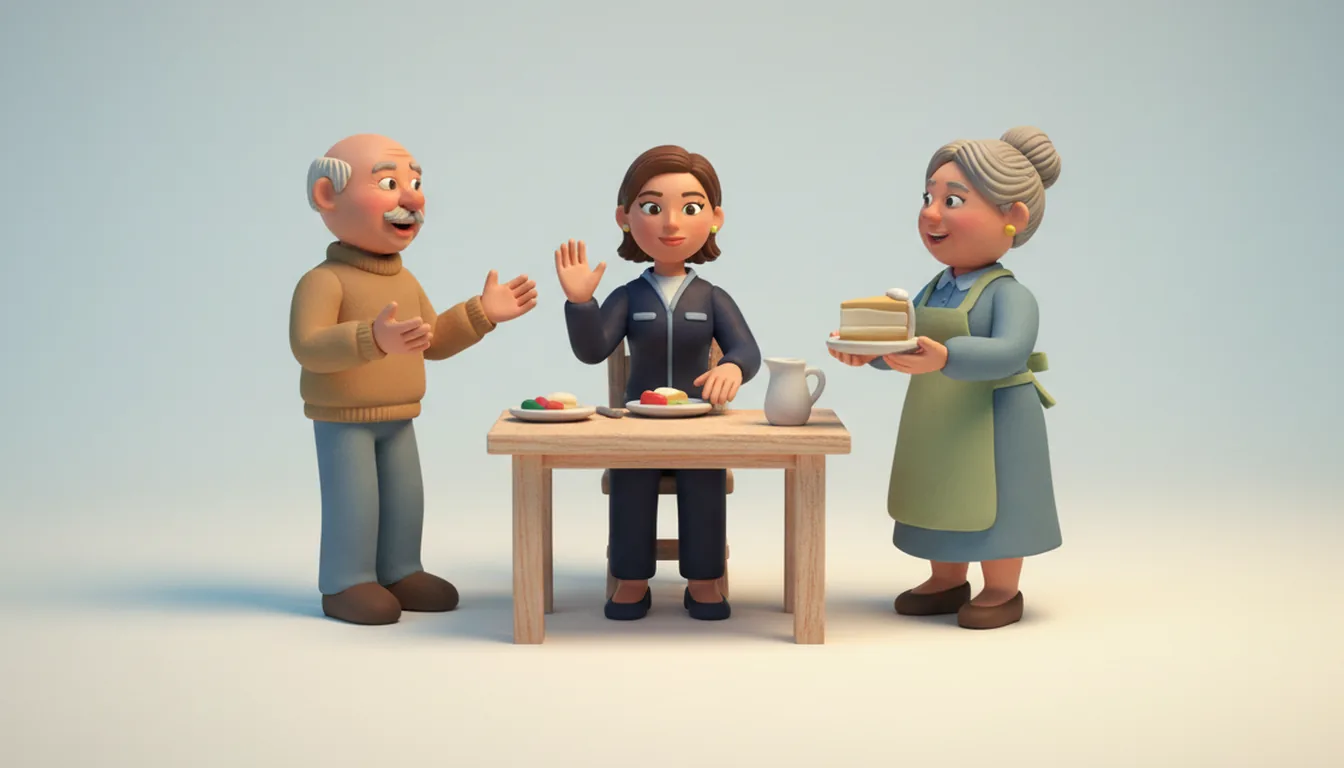
An example: at a family dinner, Mia's aunt leans over and says, not very quietly, "You've always had a strong personality." Mia isn't sure it was a compliment. All she did was say no to dessert, twice, and disagree with her uncle about where to park. ## What does a strong personality mean?
People usually mean a mix of four things when they call someone a strong personality:
- Clear views. They know what they like, what they believe and what they won't do.
- Directness. They say what they think, often without much padding.
- Steadiness under pressure. Disapproval or a crowd going the other way does not move them much.
- Presence. You notice when they walk in, and you notice when they disagree.
The phrase is used both ways. Said with admiration, it means confident and self-assured. Said with a sigh, it means hard work to be around. Often it means both at once.
Signs you have a strong personality
- You can say no without a long explanation.
- You would rather be disliked for who you are than liked for who you are not.
- You make decisions fast and rarely ask around first.
- You change your mind for a good reason, and almost never because a group pushes.
- People either warm to you quickly or find you a lot.
- You stand up for others when something is unfair.
- You hate being managed, rushed or handled.
- Small talk bores you, and you steer toward topics that matter.
- You are comfortable spending time alone.
- People tell you that you intimidate them, and it surprises you.
If most of these fit, you have a strong personality, or at least a strong side that shows up often.
Strong personality vs strong character
The two are easy to mix up.
A strong personality is about how forcefully you show up. It shows in how direct you are and how much room you take up when you walk in.
A strong character is about how steady your values are. Strong character traits include honesty, courage, self-control, fairness and keeping your word when nobody would know if you broke it. Most of them appear on any list of positive personality traits.
A person can have one without the other. Someone loud and confident can still bend their values when it suits them. A quiet person can have a character like a rock and never raise their voice. The people we admire most often have a strong character, whatever the size of their personality.
What does it mean to have a big personality?
A big personality is about volume and color. People with big personalities are expressive, funny and lively. They tell the stories at dinner, laugh loudly and fill a room with energy.
A big personality is not always a strong one. Some big personalities change their views to please whoever they are with. And some strong personalities are small and quiet in company. Big is about how much of you people see. Strong is about how much you bend. A loud voice can even come with very little follow-through, which is what people mean by all bark and no bite. Big isn't the same as brash either, since brash means bold with little care for how it lands.
What does strong-willed mean?
Strong-willed means determined and hard to talk out of something once you have decided. Parents often use it about toddlers who will not put on their shoes. About an adult, it means someone who sets a goal and keeps at it, even when others give up or push back.
Strong-willed people get a lot done. The cost is that they can be slow to accept they were wrong, because changing course feels like losing.
Why a strong personality looks different in each person
Strength does not look the same in everyone. Four of the 16 types show it most plainly, and each one is strong in its own way:
- Analyst: quiet strength. They build their views carefully and hold to their principles even when everyone around them disagrees. They don't argue to win. They simply don't move without a good reason.
- Mentor: expressive strength. They speak with passion, change the mood of a room and can inspire people to act. Their strength is in feelings, said out loud.
- Commander: decisive strength. They act while others are still talking, take charge in a crisis and are at their best under pressure.
- Guardian: moral strength. They read people's character, protect the people they love fiercely and will not give up their values to fit in.
Other types have strong sides too. A gentle person who will not give up on a friend in trouble has a strong will, even if nobody would call them a strong personality.
Is having a strong personality good or bad?
It is both, depending on the moment. A strong personality helps you make hard choices, defend yourself and others, and live by your own values. People trust you to tell them the truth.
It can also cost you. Strong personalities clash with other strong personalities. They can seem intimidating, and quieter people may stop sharing their views around them. They can find it hard to ask for help or to admit they are struggling, because it does not match how others see them. Like most strengths, it has a flip side, and the list of strengths and weaknesses shows how often the two come as a pair.
Some people wear a strong personality as a mask. They learned to sound tough in a hard family or at school, and keeping it up is tiring. Others hide a strong personality to keep the peace, and feel smaller than they are. Personality masks explains how to tell a mask from what sits underneath.
How to get along with a strong personality
If your partner, parent or best friend has a strong personality, a few things help.
- Be direct. Hints frustrate them. Say what you want plainly.
- Disagree with reasons. They respect a good argument more than agreement.
- Don't take bluntness personally. It is usually about the topic, not about you.
- Tell them when they steamroll you. Many strong personalities don't notice, and many want to know.
- Keep your own views. They often like people who push back.
If you are the strong personality, try asking one more question before you decide, and leave a pause for quieter people to speak. It costs you little, and people notice. Being strong is also different from being overbearing, which means pushing your help or choices on people who didn't ask.
Which kind of strong is yours?
Mia's strength is quiet and stubborn. Another person's is loud and fast. Your personality type shows which kind is yours. In the free personality test you choose between two statements again and again, and there is no neutral middle, which suits people who know their own mind. Your result names the type, places you on four base traits and links to its free profile, which covers what the type does well and where it struggles. No account is needed to see your type.
Close to another strong personality? Pass them the same test with the invite on your result. When they finish, the two of you can see your relationship type and where two strong wills tend to meet or clash.
Questions people ask
What is a strong person?
A strong person stays true to their values and keeps going when things are hard. They can be loud or quiet. Strength is about how much you bend under pressure.
Is strong a character trait?
Strength itself is a broad word. It usually points to traits like courage, self-control, determination and honesty, which together make up a strong character.
Why do people say I have a strong personality?
Usually because you say what you think and don't back down easily. Some people mean it as praise, and some mean it as a gentle warning. If you can't tell which, ask them what they meant.
Is a strong personality the same as being bossy?
No. A strong personality knows its own mind. Bossiness is telling others what to do with theirs. Some strong personalities are bossy, but many are not.
Can a quiet person have a strong personality?
Yes. Many quiet people hold firm views, make their own choices and do not bend to a group. They simply don't announce it.
What is the opposite of a strong personality?
People often say a weak or easily led personality: someone who goes along with whoever is in the room. A gentle, easygoing person is not the opposite, as long as they keep their own views.
What is another word for a strong personality?
Strong-willed, self-assured and forceful are close. Headstrong also fits, though it hints that the person can be stubborn. A big personality is a little different, because it is more about energy and presence.
What do people with strong personalities say?
Phrases like "Let me be honest with you," "That doesn't work for me" and "I'll decide for myself." They say what they think in plain words and rarely ask for permission to have a view.
Sources
- Dictionary.com, "strong-willed". Having a powerful will, resolute, and also stubborn.
Written by Virko Kask, founder of Typeza
Written with the help of AI tools.
One question for two, every week
A question to ask your partner, friend or family, and how different types tend to answer it.
Free. Unsubscribe any time.