
You win some, you lose some: what it means and when to say it
"You win some, you lose some" means that nobody wins every time. Sometimes things go your way and sometimes they don't, and a loss is a normal part of trying. People often shorten it to "win some, lose some."
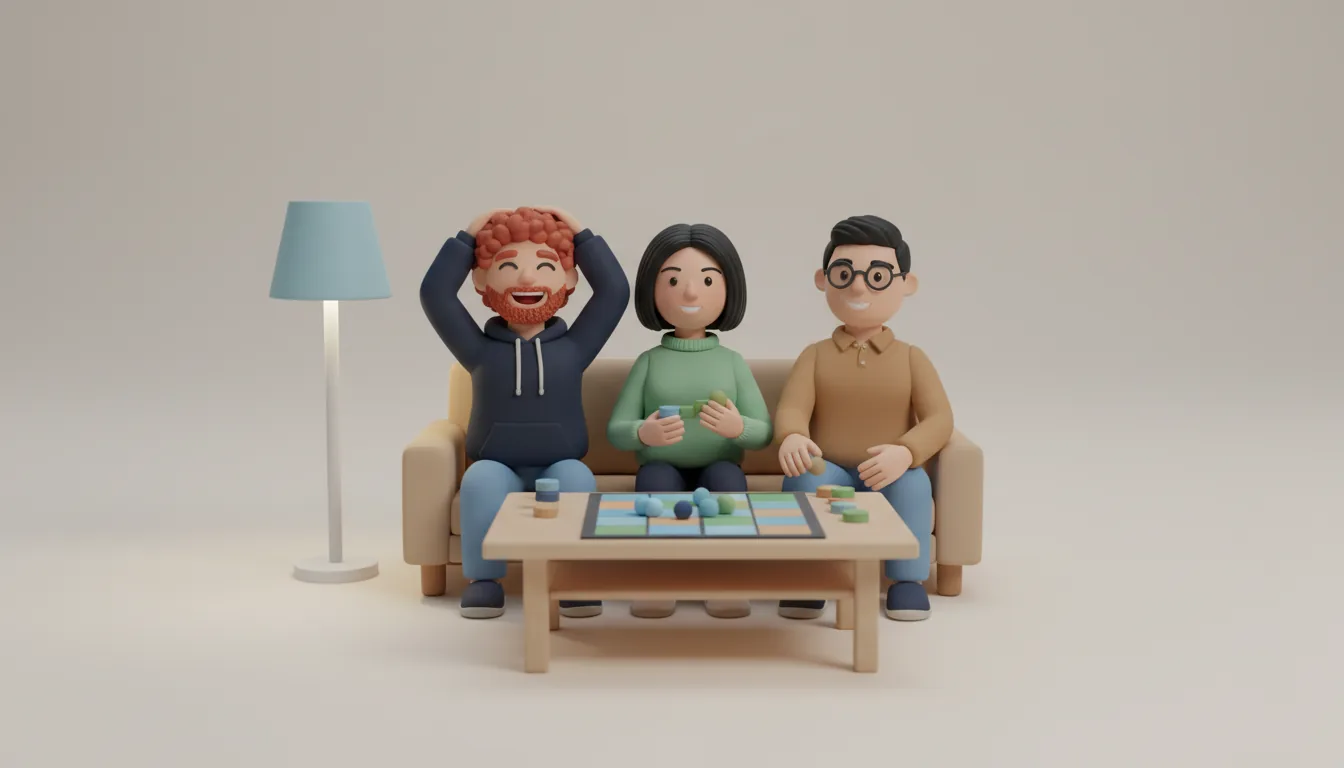
An example: Lena won by three points, 214 to 211, on the very last move of the night. Marco had led for two hours. He leaned back on the sofa, put both hands on top of his head and laughed. "Well," he said, "you win some, you lose some." Lena pulled the little pile of pieces she'd won a bit closer, just to make a point. Jun, who had come third and didn't seem to mind at all, was already setting up the board. "Rematch," he said. "Same time next week."
That's the saying at its best. Marco was disappointed for about ten seconds, said the line, and meant it.
When the saying works
It works best when you say it about yourself. When Marco says it after losing, it shows he can take the loss lightly and move on. Said to someone else, it can land very differently, which is covered further down.
Where the saying comes from
The saying grew out of American sports talk, baseball most of all. A longer baseball version about winning some, losing some and having some rained out was quoted in a North Carolina newspaper in 1939. By 1961 a paper printed "you win some, you lose some and some get rained out, as the saying goes." Nobody has found the first use of the short form. A close cousin, "can't win them all," was in a baseball report as early as 1886.
Game night
Board games and quizzes are a good place to practice losing. The stakes are low, the people are friends, and there's always next week. That makes game night a good place to notice how you lose.
Some people say the line like Marco and mean it. Others say it through their teeth and then ask for a recount. If losing a game tends to ruin your evening, or someone in your group turns every loss into a scene, our article on the sore loser covers the signs and what helps. Losing well mostly comes down to two things. Congratulate the winner first, and say something you enjoyed about the game, even if it was only the snacks.
An argument you didn't win
Another example: Ana and Theo spent two weeks disagreeing about the color for the living room. She wanted deep blue. He wanted a soft white. In the end they went with white, partly because Theo had a better point about the light. Ana sighed, said "win some, lose some," and picked the color for the bedroom instead.
Losing an argument with someone you live with is different from losing a game. There's no score, and the other person isn't your opponent. You can lose a point and still be glad you raised it. If you find you need to win every argument, or you lose them all by giving in, how to win an argument looks at arguing so both of you come out feeling heard.
When the job goes to someone else
One more example: Priya made it to the last round for a job she really wanted. She prepared for a week, felt good about the final meeting, and then got a short email saying they'd chosen another candidate. That one stung for a while.
"You win some, you lose some" can help here, but only after a bit of time. In the first hour it sounds too light. A few days later, it can be a useful way to put the loss in its place. Priya asked for feedback, got two helpful points, and used them when the next chance came. One no isn't a verdict on you, and the next try starts fresh. Some wins come slowly, as the tortoise in slow and steady wins the race would tell you.
How to take a loss
A few things help when it's your turn to lose, big or small:
- Let yourself feel it for a moment. Being disappointed is fine. Pretending you don't care often comes out sideways later.
- Say well done and mean it. The winner worked for it, and telling them so is easy and kind.
- Find one thing to keep. A better move, a point you'd make differently, feedback for next time.
- Then let it go. Losses tend to look smaller a week later, and smaller still a year later.
When not to say it to someone else
Here's where the saying can go wrong. If a friend has just lost something they cared about, "you win some, you lose some" can sound like "it doesn't matter." It hurries them past a feeling they haven't finished having yet.
A simple rule helps. The person who lost gets to say it first. If Marco says it, you can laugh with him. If Priya is still upset about the job, you're better off saying "that's really disappointing, I'm sorry" and listening. Later, if she says "oh well, win some, lose some," you can agree. Our piece on don't cry over spilled milk makes the same point about timing for another saying people reach for too early.
When you're the one who won
The saying has a flip side. Winning well matters as much as losing well, and it's easy to forget when you're happy. Lena pulled her pile of pieces closer as a joke, and everyone laughed because she left it there. A long victory speech, or bringing it up again over dinner the next day, would have gone down very differently.
A good winner keeps it short. Say thanks, mention something the other person did well, and help set up the next game. If you won an argument, try not to keep pointing out that you were right. People tend to remember how you won for longer than they remember the score.
Winning this way has a name, magnanimous, and the same word covers being generous to someone who wronged you.
Who takes a loss to heart, by type
Some people get over a loss before the board is packed away. Others carry it home. Type explains some of the difference. Six types, from our types page in its usual order:
- Harmonizer mostly cares whether everyone had a good time, so a lost game rarely stings for long.
- Mentor feels a loss strongly and shows it, then looks for what it can teach them.
- Dreamer may feel a loss more than they show and need a quiet evening before saying "win some, lose some."
- Strategist goes over what went wrong in their head and plans a better approach for next time.
- Guardian takes losses to heart when people they care about were counting on them.
- Encourager laughs off a loss quickly and cheers for the winner, like Jun setting up the rematch.
How you and your friends handle losing
Some friends can lose to each other all evening and still have fun. Others find that every game night ends a little tense. Typeza names the relationship type you and a friend have, and why some pairs can compete easily while others clash. Try the free friendship compatibility test, and get your friend to take it after you.
Questions people ask
What does "you win some, you lose some" mean?
It means nobody wins every time. Losses are a normal part of trying, so it's best to accept them and move on.
Is it "win some, lose some" or "you win some, you lose some"?
Both are correct. "Win some, lose some" is just the shorter form, and it means the same thing.
Where does "you win some, you lose some" come from?
It grew out of American sports talk, baseball most of all. A longer baseball version, "and some get rained out," was in print by 1939.
Is it rude to say "you win some, you lose some"?
About yourself, it's a friendly way to show you can take a loss. Said to someone who has just lost something they cared about, it can sound like it doesn't matter. Wait until they've said it first.
What can you say instead to someone who lost?
Try "that's really disappointing," "I'm sorry, you worked hard for it" or simply "do you want to talk about it?" Let them be the one to say "win some, lose some."
Sources
- The Big Apple (Barry Popik), "You win some, you lose some, and some get rained out". The baseball version, credited to coach Bunn Hearn, in print in 1939, and "as the saying goes" in 1961.
- The Big Apple (Barry Popik), "You can't win them all". "Can't win them all" in a New York Times baseball report in 1886.
- Wiktionary, "you win some, you lose some". The meaning.
Written by Virko Kask, founder of Typeza
Written with the help of AI tools.
One question for two, every week
A question to ask your partner, friend or family, and how different types tend to answer it.
Free. Unsubscribe any time.