
How to celebrate a milestone birthday, decade by decade
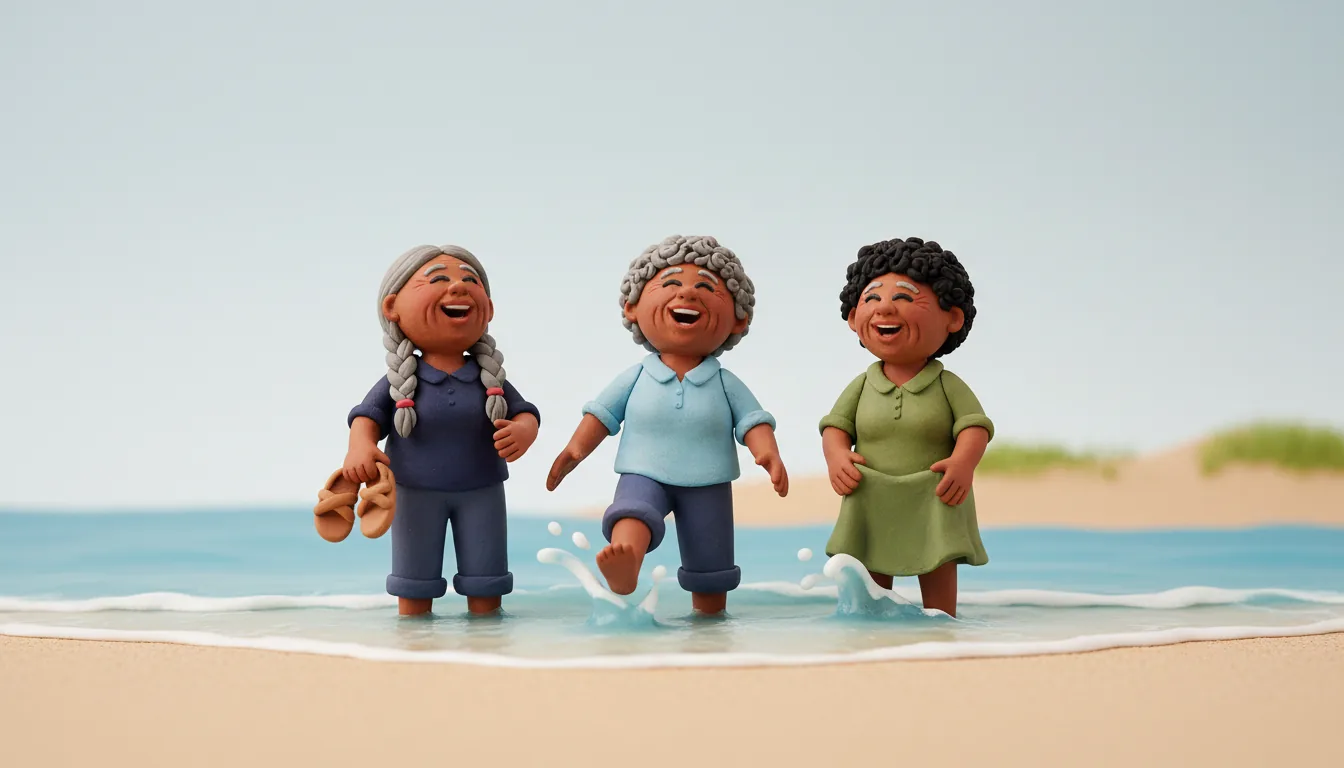
To celebrate a milestone birthday well, let the person decide the shape: a party, a trip or a quiet day of their own. The number tells you the birthday matters, and the person tells you how to mark it. Below is what counts as a milestone, who should plan it and what tends to suit each decade, with links to fuller ideas for each age.
An example: Bisi spent her sixtieth birthday ankle-deep in the sea. She had told her sisters she didn't want a party, so Kemi and Tolu rented a small house on the coast for the three of them. On Saturday morning they walked down to the water, Kemi with her sandals in one hand and Tolu holding up the hem of her green dress. Bisi kicked the first wave straight at both of them, and all three laughed until they had to stop walking. It was the third milestone in the family that year. In spring, Bisi's daughter Funmi turned thirty with a loud dinner for twenty friends. In August, their mother Esther turned ninety and asked for lunch at home with everyone around one table.
What makes a birthday a milestone
Mostly it's the round numbers. People mark the years that end in zero because each one feels like the close of a chapter: 30, 40, 50 and on up. Many countries add 18 or 21, when someone comes of age, and some families mark 25 as a quarter of a century.
A birthday can also become a milestone because of the year around it. A move to a new country, a first year of marriage or a big change at work can make a 37th feel bigger than a 40th. If the person treats it as a milestone, it is one.
Party, trip or a day of their own
Many milestone celebrations take one of three shapes. Pick the one that fits the person, not the one that fits the number.
- A party. Right for people who get their energy from a crowd and want everyone they love in one room.
- A trip. Right for people who would rather share a few days with two or three people, the way Bisi did with her sisters.
- A day of their own. Right for people who want to mark it privately, with a long walk, a good meal and no fuss. What to do on your birthday has ideas sorted by the kind of person you are.
Plenty of people mix them. A small trip with a partner and a dinner with friends the week after covers both sides.
Who should plan it
At 30, 40 and 50, many people plan their own milestone, and that's normal. They know what they want, and guests like knowing the plan came from them. Partners and close friends often plan the surprise version, which works best when someone has checked first that the person enjoys surprises. If several people want to plan it, give one of them the final word.
From 70 on, the family often takes over. That's often welcome, as long as the person still gets a say in who comes and how long it goes on. Whoever plans it, ask the guest of honor one question early: what would you like to remember from the day?
Milestone birthdays, decade by decade
Each decade tends to bring its own kind of celebration. These are patterns, and the person always comes first.
30
Thirty is often the first birthday that feels like a milestone, and many people want it loud. A long dinner with friends, a night of dancing or a weekend away with the whole group all fit. Funmi booked a long table at her favorite restaurant. It's also a common age for a first big trip with friends that takes real planning, like a week abroad. If the number itself feels big, turning 30 talks about what the decade often brings.
40
Forty tends to make people take stock, so the celebration often comes with a plan for the decade: a trip, a new skill, a project. 40th birthday ideas builds the plan around the person's own interests, and turning 40 talks about the feelings that can come with the number.
50
At fifty, people often care most about who is there. The best plan depends on who is making it: the person, their partner or their friends. 50th birthday party ideas sorts the ideas that way.
60
Sixty is a good age for a theme taken from the person's life, like the decade they grew up in, a place they love or the story they always tell. 60th birthday party themes has themes of each kind.
70
Many people mark seventy by going somewhere: a trip, a day out or a return to a place they love. 70th birthday party ideas has plans for days out and longer journeys.
80
At eighty the family gathers and the stories come out. 80th birthday party ideas is built around that, from the long family table to who gives the speeches.
90 and beyond
A ninetieth is often close to home, like Esther's lunch. Plan it around their favorite people and their favorite food, and let them choose where to sit. Many families pick a time of day that suits the person, like a late breakfast or an early lunch, so nothing runs late. 90th birthday party ideas has more ways to keep the day small and at their pace.
If you can't be there on the day
Distance and dates don't always work out. Call at the time the party starts, so you're part of it. Record a short video message that someone can play during the meal. Or plan your own small celebration with the person later, just the two of you, so the milestone gets marked twice. A handwritten letter that arrives on the day works too, and people often keep those.
Keeping the focus on the person
A milestone party can drift away from the person it's for. The host gets busy, the speeches run long, and the guest of honor ends up refilling bowls in the kitchen. Give them a seat, a plate and people to talk to. If there's a cake, let them decide whether they want candles on it at all. Leave the jokes about the number out of the speeches, and tell stories about the person instead.
How each type likes to mark a milestone
Here are seven of the 16 types and the celebration each tends to choose:
- Ideator wants a milestone nobody saw coming, like a trip to a country they can't pronounce yet.
- Mentor likes a moment to say something meaningful to the people who came.
- Inspector prefers a plan made well ahead, with the date fixed and the guests told early.
- Commander sets a goal for the decade and celebrates by starting it.
- Dreamer would choose a quiet trip with one or two people over any party.
- Guardian wants only the people who matter most at the table, and notices who made the effort to come.
- Encourager wants everyone together and makes sure nobody leaves without a hug.
Plan it around who they are
Typeza shows the relationship type between two people: where they get each other easily and where they don't. Start with your own type in the free personality test, then send the link to the person whose big birthday is coming up.
Questions people ask
Which birthdays are milestones?
The round decades: 30, 40, 50, 60, 70, 80, 90 and 100. Many people add 18 and 21, and some count 25 as well.
Is 25 a milestone birthday?
For many people, yes. It's a quarter of a century. It's rarely as big as 30, but a dinner or a trip with friends fits it well.
Are 35 and 45 milestone birthdays?
Some people treat the halfway years as small milestones. They don't carry the weight of the round decades, which makes them good for something relaxed, like a weekend away.
What is the most important milestone birthday?
There's no single answer. The most important one is the one that matters to the person.
How do you organize a milestone birthday?
Start by asking the person what they want: a party, a trip or a quiet day. Then decide who plans it, set a date a few months ahead and tell the guests early.
What does a milestone birthday mean?
It's a birthday that marks a round number or a turning point in someone's life. People usually celebrate it more than the years around it.
Written by Virko Kask, founder of Typeza
Written with the help of AI tools.
One question for two, every week
A question to ask your partner, friend or family, and how different types tend to answer it.
Free. Unsubscribe any time.