
Turning 30: is 30 old, and what your thirties tend to bring
Turning 30 isn't old. It feels big because it's the first round number of adult life and the end of your twenties, which people talk about as the decade for trying things. In their thirties many people get clearer about what they want, spend more time with fewer, closer friends and stop apologizing for what they enjoy. Their sense of humor, their curiosity and the friends who matter usually come along with them. How you take the day comes partly down to your personality.
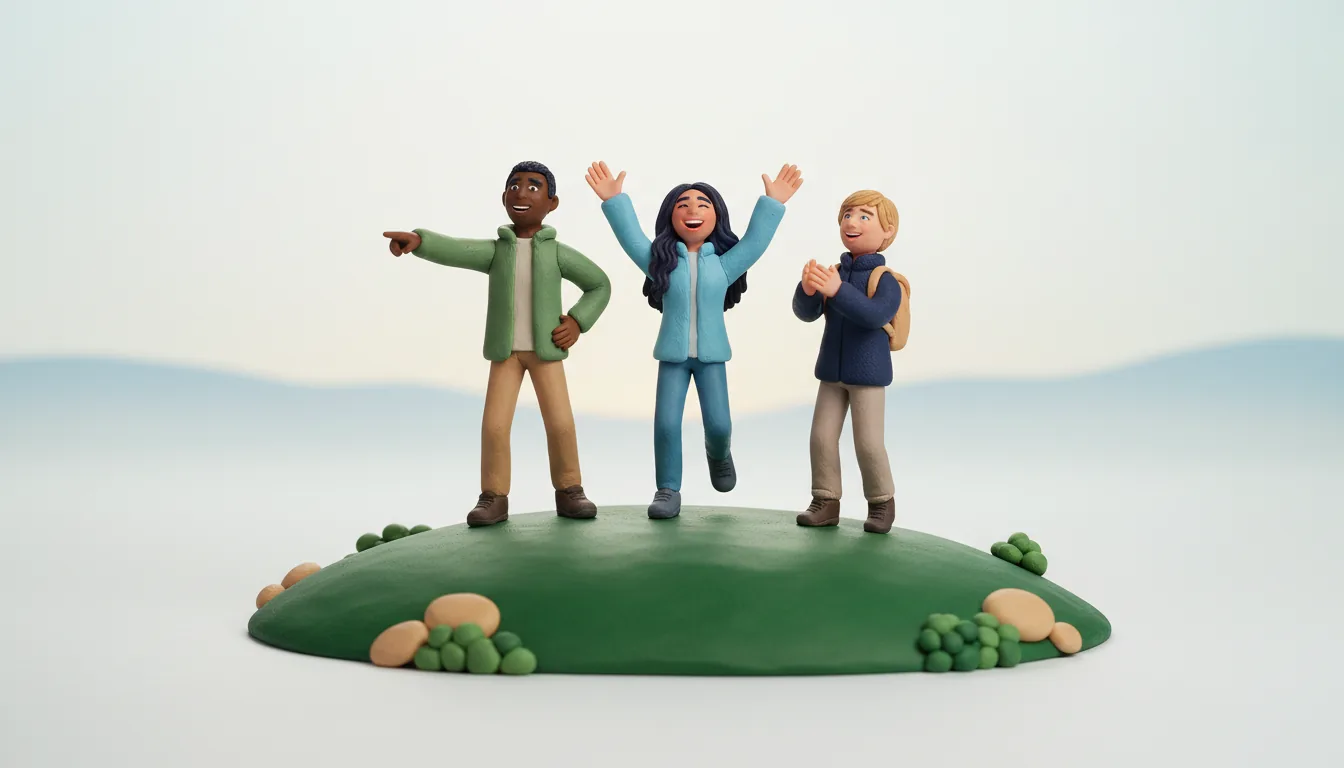
An example: Sofia, Ade and Kit met in their first year of college. One cold night that year, they promised each other to climb the hill above Ade's home town at sunrise on the morning each of them turned thirty. Ade went first, two years ago, and Kit went last spring. Sofia is the last of the three. They start up the path in the dark, and Kit carries breakfast in a backpack. At the top the sky goes pale, then pink, and Sofia throws both arms up and laughs, mostly because her legs hurt. Ade points at the valley, where the town they used to drive to on weekends sits in the mist. Kit claps. Nobody makes a speech. They sit on the grass, share what's in the bag and talk about what they'd like to have done before they climb the hill again at forty, which is now the new plan.
Is thirty old, or does it just sound big?
No, thirty isn't old. Many people at thirty are still early in their working lives and still finding new people and places. What makes it sound big is the zero, and the way people describe the twenties as the time for trying things and the thirties as the time for having it all worked out. Few people have it all worked out at thirty. They just know a bit more about what they don't want.
Why thirty feels bigger than twenty-nine
A single day separates twenty-nine and thirty, but the second one feels different. A few reasons:
- It's the first round birthday of adult life, and everyone around you treats it as a big one.
- Friends' lives start to look very different from one another. One moves abroad, one buys a house and one starts over in a new field, so comparing gets easy.
- Your twenties came with a ready story, "I'm still figuring it out," and thirty seems to ask for a new one.
- Relatives may start asking about your plans at family lunches.
None of these mean anything is wrong. They're just why the number gets more attention than it deserves.
What your thirties often bring
Every decade is different for every person, but some changes come up often.
- More say over your own time. Many people get better at saying no, and stop filling weekends with things they don't enjoy.
- Fewer, closer friendships. Friend groups often get smaller and more chosen. The friends who stay tend to be the ones you'd call at two in the morning.
- A clearer sense of what you like. You spend less time on things you only did because everyone else did.
- Getting good at something. Work, a craft or a skill starts to feel like yours, and people start asking you for help with it.
- Being kinder to your younger self. Some choices you used to cringe at make more sense now.
What you take with you from your twenties
Turning thirty doesn't start you over. Most of what you are travels with you: your sense of humor, what makes you curious, the friends who stayed and the things you care about. Your personality doesn't reset at midnight. If you were the one who planned every trip at twenty-two, you'll likely still be planning them at thirty-two, maybe with a better list. And when forty comes around, our piece on turning 40 picks up where this one leaves off.
Thirty and single
Being single at thirty is common and needs no explaining. Plenty of people meet a partner later, and plenty of others are happy on their own. Much of the pressure comes from outside, like a cousin's question over lunch or a feed full of other people's news. What helps is knowing what you want from a partner, and many people know that much better at thirty than they did at twenty-two. If you'd rather stay on your own, being single looks at the good sides of that life.
Comparing your thirty to everyone else's
At thirty, the people you grew up with go in very different directions. Comparing is natural and rarely useful, because you only ever see the outside of someone else's decade. Try comparing yourself with who you were at twenty instead. Many people find they've come further than they thought.
People also move at different speeds. A friend who settled early may envy your freedom as much as you envy their calm. Ten years from now, the order will probably look different again.
How each type meets thirty
How someone feels about thirty partly follows their personality. Here are eight of the 16 types.
- Harmonizer wants the day to feel cozy, with dinner at home, people they love and nowhere to be. For them, thirty is about feeling settled.
- Analyst treats thirty as a good time to look back at what worked in their twenties and what's worth learning next. They may not want a party at all.
- Commander sets goals for the decade and has started on the first one by the end of the week.
- Diplomat would rather mark thirty with a real adventure than a look back, and wants it to start today.
- Strategist looks far ahead and quietly makes a plan. They'd like the birthday itself to be calm and private.
- Organizer wants the day well planned, and will probably plan it themselves to be sure.
- Counselor would rather have one long, honest talk than a party. A walk with a close friend is perfect.
- Encourager wants everyone there, and spends half the night making sure their friends are having fun.
Sofia is an Encourager, which is why the promise on the hill was her idea in the first place.
If you want to mark the day
Some people want thirty loud and some want it quiet. A few mark it the way Sofia did, with something small that only makes sense to them, like a hike at sunrise, a letter to their forty-year-old self or a meal at the place they went at twenty. Others turn it into a trip with friends or a long dinner. There's no right size, and the day tends to go best when it looks like you. For ideas by decade, see how to celebrate a milestone birthday. If you're still choosing between a party, a trip or a day on your own, what to do on your birthday sorts the options by how you want to feel that night.
Questions worth asking yourself at thirty
A birthday like this is a good excuse to stop and ask a few things. Write the answers down if you like, or talk them over with a friend.
- What did I enjoy most in my twenties, and how do I keep it?
- What am I still doing only because I started?
- Who do I want to see more of?
- Which friendship from my twenties do I most want to keep close for the next ten years?
- What did I get right that I never gave myself credit for?
- What would I like to be able to say at forty?
Meet your own type at thirty
Typeza names your type and shows how it meets the types of the people you love, where things flow and where they snag. Try the free personality test yourself first, and pass the link to the friend who'd climb a hill with you.
Questions people ask
Is turning 30 a big deal?
For many people it feels like one, because it's the first round birthday of adult life. How big you make it is up to you.
Is 30 too late to start something new?
No. People change careers, move cities, pick up new hobbies and make new friends at thirty all the time.
What happens when you turn 30?
Usually nothing changes overnight. Over the decade, many people get clearer about what they want and spend their time with fewer, closer people.
Is 30 still young?
Yes. At thirty, most of adult life is still ahead of you.
Written by Virko Kask, founder of Typeza
Written with the help of AI tools.
One question for two, every week
A question to ask your partner, friend or family, and how different types tend to answer it.
Free. Unsubscribe any time.