
Being single: the benefits, and how to be happy single
Being single is a full way to live, and many adults aren't looking to change it. In a 2020 Pew Research Center report, half of single US adults said they weren't looking for a relationship or dates. The benefits are practical. Your time is yours, friendships get more room, and you learn what you like when nobody else is part of the decision. Being happy single needs the same things as any happy life: people you love, something that holds your interest and a home that fits you.
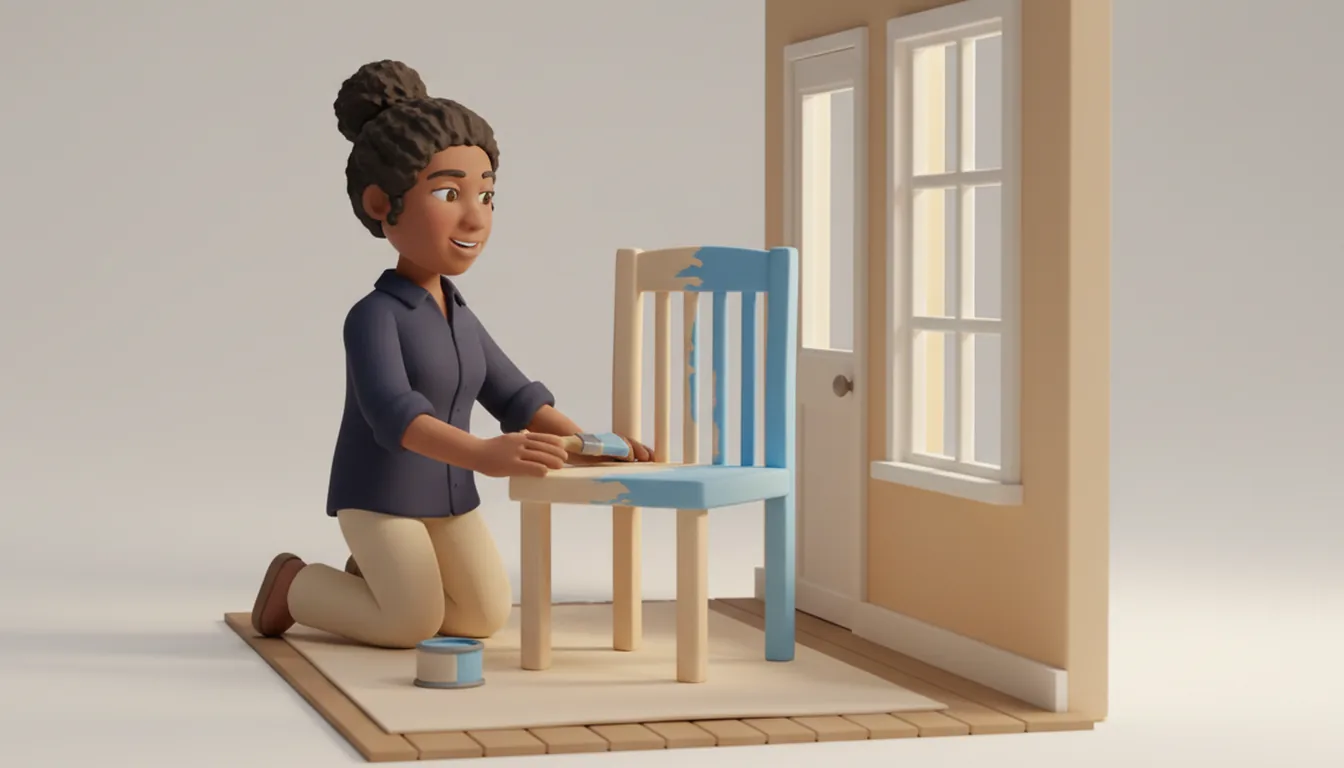
An example: On the first Sunday in October, Rafaela spread an old bedsheet over her hallway floor and knelt beside a wooden kitchen chair. A neighbor had put it out by the bins in April, with one loose leg and a seat stained almost black. Since then she had glued the leg, sanded every rail by hand and picked a sky blue for it. Now the paint was going on, and half the chair was already blue. Bread dough sat rising under a towel in the kitchen, and her friend Joon was coming at one to help eat it. Rafaela has lived on her own for eight years. She has had partners in that time and might again, but she isn't waiting for one. What she likes most about her life is a morning like this one, which belongs to her from start to finish.
What being single gives you
Some people picture single life as a waiting room. People who actually live it talk about it very differently, and these benefits of being single come up again and again.
- Your evenings belong to you. A pottery class, a long call with your brother or an early night all happen without checking anyone's plans.
- Friends get more of you. In US survey data, people who had always been single kept in closer touch with friends, neighbors, parents and siblings than married people did.
- Your home looks like you. The furniture, the hours you keep and what goes in the fridge are all your call.
- Big moves are simpler. A job in another city, a year abroad or a smaller flat in a better spot is one person's decision.
- You find out what you like. With nobody to bend toward, your own taste in food, travel and weekends gets clearer every year.
- Quiet is there when you want it. After a loud day at work, the door closes and the flat is calm.
None of this makes life with a partner worse. It means being single is better for some people, at least for a while, and they're right to enjoy it.
How to be happy single
A happy single life is often built one habit at a time. If you'd simply like to be okay with being single for now, start with the first two habits.
- Keep one standing plan with friends. A Thursday dinner, a Sunday walk or a monthly game night works. Make the plan yourself, without waiting to be asked. If your circle has thinned since your twenties, making friends as an adult has ways to grow it.
- Keep one evening only for you. Time alone gets better with practice, and how to enjoy your own company shows a simple way to start.
- Work on something long. A garden, a language or an old chair gives the weeks a shape, because it takes months to finish.
- Set up your home for one. Cook proper meals for one person, and give the spare room a use you like. If you live on your own, living alone has more on a home and a week built for one.
- Put your own dates in the calendar. Plan the trip, the birthday dinner and the slow holiday morning yourself.
- Drop the timeline. Other people's weddings and moves are their story, and measuring yours against them only makes it look smaller.
Time on your own and loneliness can look alike from the outside, and alone vs lonely shows how to tell them apart. Valentine's Day can be one of the good days too, with a plan from Valentine's Day for singles.
When being single is a choice
Single by choice means you've looked at your life and like it as it is. It doesn't mean you dislike couples or have closed every door. Some people choose it for a season, while they settle into a new city or finish a big project. Others choose it for good. "I love being single" is a complete sentence, and it doesn't need "for now" on the end.
People who choose it often hear that they'll change their minds. They might, or they might not. Either way, take the choice as it stands today. Being single at thirty or forty is common, and turning 30 has a short part about it.
Will I be single forever?
Nobody can know that from where they stand today. People meet partners at every age, and plenty of others stay single and have long, full lives. Both are common, so neither one says anything about you.
The worry under "single forever" is often a different one: will there be people around me? That part you can shape. A life without a partner can hold a lot of love, from friends of thirty years, from siblings, from the neighbor who waters your plants and from the people you meet through what you do. If you can name four or five people who would come at once if you called, you have what many people mean when they say they don't want to be alone.
What to tell the family
Family questions usually come from love, or from habit. A few lines that answer without opening a debate:
- "Yes, and it's a good year. Ask me about the trip I'm planning."
- "I am, by choice. What are you reading at the moment?"
- "On my own and very content. Did you get to the coast this summer?"
- "Nobody new, but plenty going on. Want to see the chair I fixed?"
- "If that changes, you'll hear it from me first. How's the new car?"
If an older relative seems worried, the worry is often about who will look after you. Name the people who already do, like the friend who fed your cat in August or the cousin you call every Sunday. That answers the real question better than any argument about how happy you are.
Rest or a full calendar: free time by type
What a good single life looks like depends a lot on personality. For one type a free weekend is rest, and another has it filled with friends by Friday noon. Here are six of the 16 types:
- Ideator fills free evenings with new people and plans made on the day. A quiet weekend at home makes them restless by Saturday afternoon.
- Inspector rests best inside a steady routine, with the same morning walk, a set meal on Sunday and a tidy home to come back to.
- Strategist guards long hours alone for reading or thinking something through, then sees one close friend for a long talk.
- Entrepreneur uses free time to get somewhere, like a sailing course, a half marathon or a room redone from floor to ceiling.
- Encourager books the weekend with dinners, visits and long calls, and comes home from all of it rested.
- Craftsman rests with busy hands, at a workbench or in a garden, often alone and in no hurry to stop.
The type theory describes these as tendencies, and you may see yourself in two of them or in none. It's a way to think about free time, and none of it is advice on how to spend yours.
See what your type does with a free Saturday
Typeza shows two people their relationship type, for example you and the friend you spend most Sundays with, and why one of you rests at home while the other wants a plan. You begin with your own type, which the free personality test gives you. After that, you can invite that friend to compare.
Questions people ask
Is it okay to be single forever?
Yes. Many adults live their whole lives without a partner and have close friends, family and work they love. What matters is that the life is right for you, whatever shape it takes.
Why is being single good?
It gives you time and choices of your own. Many single people put more into friendships, hobbies and travel, and they get to know themselves well.
Is being single better than being in a relationship?
Neither is better for everyone. For some people being single is better, at least for a time, and for others life with a partner fits more. The right one is the one that works for you now.
Sources
- Pew Research Center, "A profile of single Americans" (2020): half of single US adults said they were not looking for a relationship or dates.
- Natalia Sarkisian and Naomi Gerstel, "Does singlehood isolate or integrate?", Journal of Social and Personal Relationships (2016), summarized in Psychology Today: adults who had always been single had more contact and exchanged more help with parents, siblings, friends and neighbors than married adults.
Written by Virko Kask, founder of Typeza
Written with the help of AI tools.
One question for two, every week
A question to ask your partner, friend or family, and how different types tend to answer it.
Free. Unsubscribe any time.