
Wear your heart on your sleeve: meaning, and is it a strength?
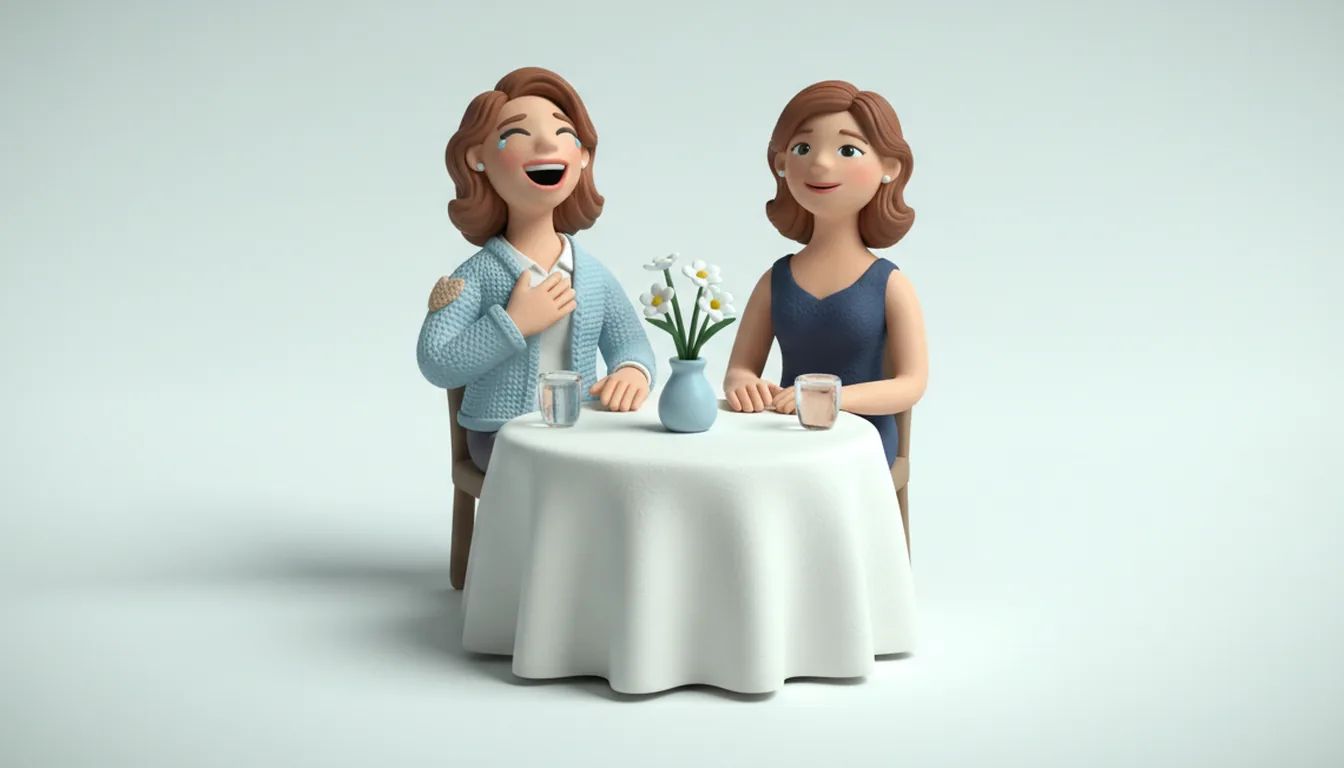
To wear your heart on your sleeve means to show your feelings openly, so that other people can see how you feel just by looking at you. Joy, hurt, worry and love show on your face and in your voice, often before you say a word. It can be a real strength. Open feelings make you easy to trust and easy to get close to, and they also leave you exposed when people are careless with what they see.
An example: Paloma cries before the bride even reaches the aisle. At the reception she laughs loudest at the speeches and tells the groom's grandmother she loves her hat. Her friend June sits beside her the whole day with a calm, polite smile. In the car home, June says it was the happiest wedding she has ever been to. Paloma stares at her. "You could have told your face," she says. Her brother, driving, laughs that Paloma wears her heart on her sleeve and June keeps hers in a locked drawer.
Wearing your heart on your sleeve, day to day
Someone who wears their heart on their sleeve is easy to read. A few signs:
- Their face gives them away, at a card game, at a surprise party, in an argument.
- They say "I missed you" and "I'm proud of you" without thinking twice.
- They cry at films, weddings and sometimes at advertisements.
- They can't really pretend to be fine when they are not.
- When a friend shares good news, they react out loud, right away.
- People around them know their mood before they say anything.
The phrase is about showing feelings, much more than about how many a person has. June felt the wedding as deeply as Paloma did. Her feelings just stayed inside, where nobody could see them.
Knights, sweethearts and a line from Othello
The first recorded use is in Shakespeare's play Othello, written around 1603 to 1604. The villain, Iago, explains why he hides what he really thinks. If his outward actions ever showed his true heart, he says, he might as well wear that heart upon his sleeve "for daws to peck at." Daws are jackdaws. For Iago, a visible heart is a foolish risk. It's an odd start for a phrase that today is often a compliment.
A popular story goes further back. It says knights at medieval tournaments wore the colors of the lady they fought for. Nobody has found the phrase in writing from that time, so this stays a guess.
Heart on my sleeve, on his sleeve, on her sleeve
The phrase bends to fit any person:
- "I wear my heart on my sleeve, so you'll always know where you stand with me."
- "He wears his heart on his sleeve. You can tell from across the room when he's had bad news."
- "She wore her heart on her sleeve all through the first year of dating him."
- "Try not to wear your emotions on your sleeve at the meeting with the landlord."
Tone decides whether it is praise or a warning. Said warmly, it means honest and open. Said with a sigh, it means too open, too soon or with the wrong people. You will also see "heart upon my sleeve," the older form from the play.
What open feelings give you
Showing your feelings can bring you a few things:
- Trust. Others rarely have to guess what you think, so they relax around you.
- Closeness. Sharing feelings invites others to share theirs, and that can bring a friendship closer.
- Quick repair. A hurt that shows on your face gets noticed and talked about while it is still small.
- Permission for others. One person crying at a funeral or laughing too loudly at a dinner makes it easier for everyone else to feel something too.
What they can cost
The same openness has a price:
- Some people use what they see. An open heart shows where it can be hurt.
- Moods spill over. A bad morning can fill the whole kitchen, even when nobody else did anything wrong.
- Calmer people can feel crowded. A friend who keeps feelings low may find a stream of strong feelings tiring, even when they love the person sharing them.
- Feelings get shared before trust is earned. Telling a new acquaintance everything on the first evening can leave you feeling exposed the next morning.
So is it a strength? Mostly, yes, as long as you choose who gets to see the whole heart. A friend who seems nonchalant is often the same in reverse: their calm protects them, and it sometimes leaves the people who love them guessing.
Why some people show everything and others show little
People differ a lot in how much of their inner life reaches the surface, and Typeza sees personality type as part of the reason. Here are seven of the 16 types:
- Vitalizer: warm and lively, they share joy out loud and spread it around a room. When they are glad to see you, you know it from the doorway.
- Analyst: they keep feelings behind reasons and explain a decision rather than how they feel about it. The care is there, but it rarely shows on the surface.
- Mentor: their feelings are big and visible, and they can move a whole room with them. Hiding a mood is almost impossible for them.
- Inspector: they show care through steady, reliable acts, like the car that is always serviced and the bill that is always paid. Words about feelings come slowly.
- Dreamer: their feelings are deep and show in quiet ways, in a look or a change of mood. The heart is on the sleeve, but you have to look closely.
- Guardian: they feel strongly and show it to very few people. Their love comes out as loyalty more than as words.
- Counselor: they notice other people's feelings first and show their own gently. A friend may know them for years before seeing them really upset.
Openness also shapes how two people fit. In Duality, which Typeza counts as the strongest match for partners and close friends, one person often shows feelings easily while the other stays steady, and each likes what the other brings. Paloma and June may be closer than their faces suggest.
Living with an open heart, yours or someone else's
If your own heart is on your sleeve:
- Keep the openness, and choose who sees the most of it.
- Give big news a night before you share it in a group chat.
- Tell people what you need from them. Saying "I just want to vent" saves you a lot of advice you didn't ask for.
- Let quieter people love you their own way, through a fixed tap or a plate of food.
If someone you love wears theirs on the sleeve:
- Don't call it "too much." Respond to what they show you.
- Never use what you see against them in an argument.
- Put your own feelings into words, because they can't read your face as easily as you read theirs.
See how your type handles feelings
Paloma and June felt the same joy at the same wedding, and only one of them showed it. Your personality type helps explain which way you lean. In the free personality test you see two statements at a time and choose the one closer to you, 41 times. You get your type at the end along with four base traits, and one of those traits says whether you lean on logic or on feeling when you decide. No sign-up is needed for any of it. The profile that goes with your type is free as well and describes what you bring to the people close to you and what you need back from them.
If your open heart and a partner's calm face don't always meet, send your partner the link from your result so they can take the same test. Sending it takes a free account. Once your partner is done, you can both read your relationship type, along with a short picture of how each of you is likely to feel in it.
Questions people ask
Is wearing your heart on your sleeve a good thing?
Mostly, yes. The risk is that people who are careless or unkind can see where you are easy to hurt.
Where does "wear your heart on your sleeve" come from?
From Shakespeare's Othello. Iago says that showing his real feelings would be like wearing his heart upon his sleeve for daws to peck at.
What does "I wear my heart on my sleeve" mean?
The speaker is saying they show their feelings openly, often to explain a strong reaction or to promise honesty.
What is the opposite of wearing your heart on your sleeve?
Keeping a poker face, playing your cards close to your chest or keeping your feelings to yourself. All of these describe someone whose feelings rarely show.
Sources
- William Shakespeare, Othello, Act 1, Scene 1 (written around 1603 to 1604). Iago's line "But I will wear my heart upon my sleeve / For daws to peck at."
- Wiktionary, "wear one's heart on one's sleeve". The meaning and the dated quotations.
- The Phrase Finder, "Wear your heart on your sleeve". The first record in Othello and the unproven story about knights at jousting matches.
Written by Virko Kask, founder of Typeza
Written with the help of AI tools.
One question for two, every week
A question to ask your partner, friend or family, and how different types tend to answer it.
Free. Unsubscribe any time.