
Words to describe a person, grouped by the kind of person they are
Nice, good and great fit almost everyone, so they say very little about anyone. Good words to describe a person belong to that person: considerate, methodical, upbeat, perceptive, reserved. The quickest way to find them is to decide first what kind of person this is, then choose from that group. Each word below has a plain meaning and one sentence about a real person, so you can hold it up against someone you know.
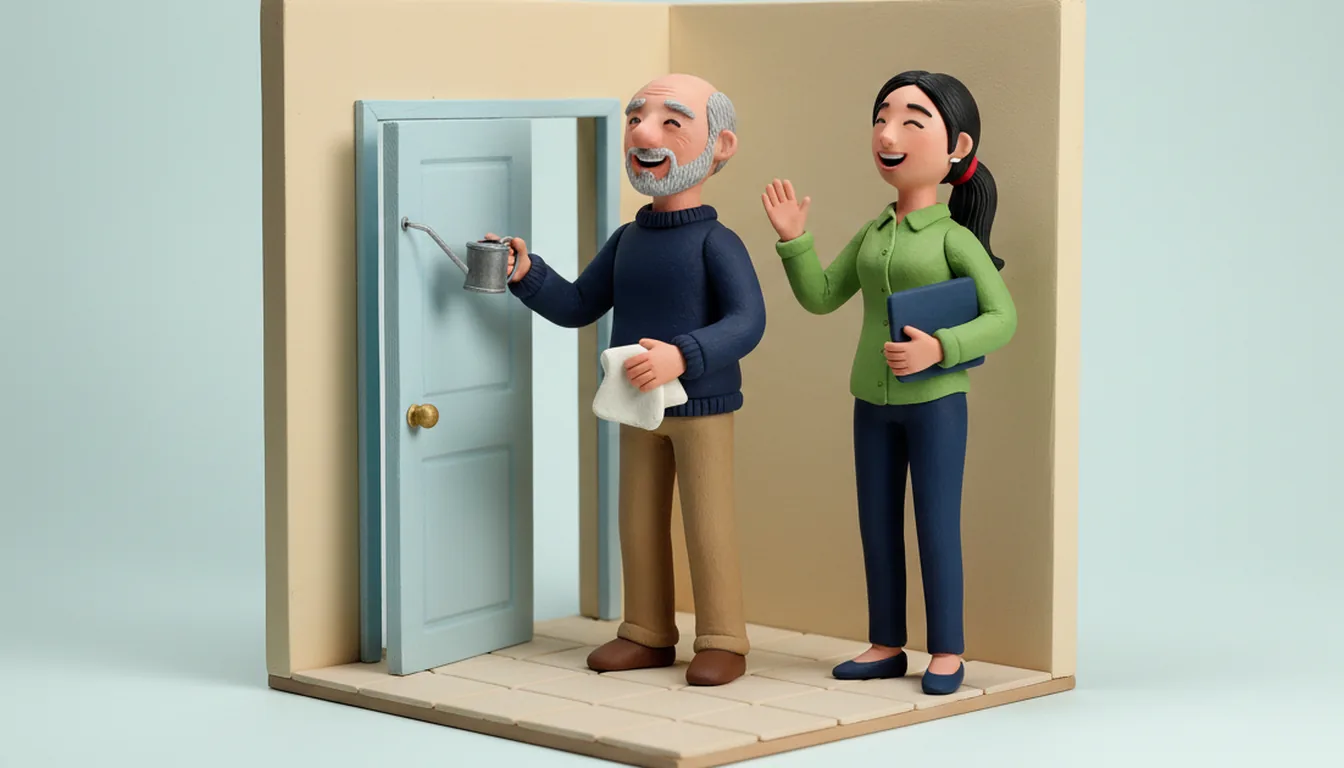
An example: the dog shelter's form had one box left before Noor could press send: "In a few words, describe the applicant." The applicant was Teodor, 61, who had lived across the landing from her for six years and now wanted to take in an old beagle called Biscuit. Noor, 34, typed "nice person" and stopped. It was true, and it told the shelter nothing. She carried her laptop out to ask what he'd like her to say. He was standing at her front door with a little oil can, working on the hinge that had squeaked since spring. She had never mentioned the squeak to him.
Warm: people who make others feel at ease
These are words for the person strangers ask for directions and friends call after a bad day.
- Approachable: easy to talk to, even for someone they just met. "New people at the climbing gym always end up asking Rosa for tips, and she always stops to help."
- Considerate: thinks about how a plan will land on everyone else. "Ben always asks the quietest person at dinner where they'd like to go afterwards."
- Sympathetic: quick to understand how someone feels. "When my flight was canceled, Jun didn't try to fix anything. He said, 'That's awful. Tell me everything.'"
- Good-natured: hard to annoy and quick to laugh at a mix-up. "The restaurant lost Kofi's order twice, and both times he joked with the waiter about it."
Steady: people you can count on
The steady person rarely gets the loudest praise, which is why a precise word means so much to them.
- Conscientious: does things properly, even when nobody will check. "Luis stayed an extra hour to fix one total in the running club's accounts that was off by a few cents."
- Methodical: works in a clear order, one step at a time. "Before every trip, Hanna lays everything out on the bed in rows and ticks it off a list."
- Sensible: makes calm, practical choices. "When the rest of us wanted to drive on through the storm, Grace found two rooms at the nearest inn."
- True to their word: if they say it, it happens. "Tomas said he'd bring my ladder back on Saturday, and on Saturday morning it was leaning on my fence."
Lively: people who bring the energy
When this person walks in, the room gets louder in a good way.
- Upbeat: looks for the good side and says it out loud. "It rained for our whole camping weekend, and Pia called it the perfect excuse for a card tournament."
- Sociable: enjoys company and goes looking for it. "Marco knows the names of everyone at the bakery and the barber's, and most of their dogs."
- Animated: tells a story with their whole face and both hands. "When Leila gets to the funny part, the whole table leans in before she says a word."
- Magnetic: people drift toward them without quite knowing why. "At every party, sooner or later, half the guests end up in whatever corner Ade is standing in."
Sharp: people who notice and think fast
These words fit the person who has worked out the problem while everyone else is still reading about it.
- Perceptive: picks up on what others miss. "Nadia guessed I'd been offered the new job from the way I said hello on the phone."
- Astute: quick to see what is really going on. "Owen read the lease once and found the line about the deposit that the rest of us had skimmed past."
- Quick-witted: has the right reply at the right moment. "When the waiter asked what we were celebrating, Hal said, 'Tuesday,' without missing a beat."
- Ingenious: finds clever fixes with whatever is around. "When the zipper on our tent broke, Ravi closed the door with three clothes pegs and a shoelace."
Quiet: people who say little and notice a lot
Some of these words are neutral, which is right for a person who would squirm at a big compliment.
- Reserved: keeps feelings and opinions mostly to themselves. "Elena takes a whole evening to warm up, and you only find out what she thinks once the crowd has gone."
- Reflective: thinks things over before reacting. "Ask Tom a big question and he says, 'Let me sleep on it,' then calls two days later with a really good answer."
- Unassuming: never draws attention to themselves. "Kenji plays the piano beautifully, and it took me four years to find out."
- A good listener: lets you finish and remembers what you said. "Amir asked how my brother's new flat was working out, three weeks after I had mentioned it once."
Bold: people who say what they think
It's easy to make a bold person sound rude on paper. Pick a word that shows the courage.
- Direct: says what they mean without wrapping it up. "Carmen told me my plan had one big hole in it, then stayed to help me fix it."
- Decisive: chooses quickly and sticks with it. "Our group chat argued about dinner for an hour, and Femi booked a table in two minutes."
- Determined: keeps going until it's done. "Lena failed her driving test twice and booked the third one for the next week."
- Unconventional: does things their own way and is happy about it. "Theo spent his week off on a sailing course by himself and called it the best week of his year."
Who you're describing changes the word
The groups work for anyone. A few people in your life have pages of their own:
- A friend: words to describe a friend, plus other names for a best friend.
- Your mom: words to describe your mom, from the warm one to the quiet one.
- Your dad: words to describe your dad, from the calm dad to the one who expects a lot.
- A partner: words for a boyfriend or girlfriend, and how to put three of them together.
- Yourself: how to describe yourself groups words by personality type.
- A coworker: stay with how they work alongside people. Dependable, quick-witted and "generous with credit" say something real without getting personal.
If you'd rather name the trait behind a word, like kindness or patience, positive personality traits lists those with their meanings.
Putting the word to work
A word on its own can still sound like it came off a list. Next to one true detail, it sounds like the person.
- In a reference: two words from different groups and the fact behind each. This is what Noor wrote for the shelter: "Teodor is considerate and true to his word. He fixed my squeaky door without being asked, and he has watered my plants every August for six years."
- When you introduce someone: one word and one habit, said before they meet. "You'll like Pia. She's upbeat, and she will say hello to your dog before she says hello to you."
- In a toast: one word, one short story and a wish. "Femi is decisive. She chose this restaurant in two minutes, and it's perfect. Here's to many more of your quick decisions."
The shelter called Teodor the next morning. Biscuit moved in that weekend.
When the honest word isn't a kind one
Sometimes the true word is a hard one. You can still say it gently by naming what the person does instead of putting a label on who they are. A softer word only helps if it is still true.
- Instead of bossy: takes charge.
- Instead of stubborn: firm, or knows their own mind.
- Instead of nosy: curious about people.
- Instead of blunt: frank.
- Instead of fussy: particular.
- Instead of shy: takes time to warm up.
If someone asks for your honest opinion of a person, one plain example is fairer than any adjective. "He talked over me twice at lunch" describes one afternoon and leaves room for a better one.
Why two people describe the same person differently
Ask Teodor's sister about him and she'll say he's stubborn and very funny. Noor would say considerate and true to his word. Both are right. They see the same man from different places, and they are different people doing the looking.
Socionics, the personality theory behind Typeza, says each of the sixteen types picks up some things about other people easily and barely registers others. So the first word that comes to you says a little about you as well. Here are six, following the types page order:
- Ideator notices what's original about a person: inventive, unconventional.
- Harmonizer notices how comfortable someone makes a room: easygoing, good company.
- Mentor notices feelings and sincerity: open-hearted, deeply honest.
- Commander notices drive and nerve: decisive, determined.
- Entrepreneur notices who gets things done well: capable, efficient.
- Guardian notices character first: principled, loyal, true to their word.
Noor is close to a Guardian. The oil can told her more than anything Teodor could have said about himself.
See which words come to you first
Typeza shows how two people's types fit together, which can help explain why you see someone the way you do. Start with the free personality test: it names your type and gives you a profile to read. Then send your result link to the person you've been describing, and once they answer, you'll both see what kind of relationship your types make.
Questions people ask
What are good words to describe a person?
Specific ones that fit this person and not everyone: considerate, methodical, upbeat, perceptive, reserved, decisive. Choose the word you could back up with one real moment.
What is a nice word to describe someone?
Approachable, considerate, good-natured and sympathetic are all warm without sounding like flattery.
How do you describe someone's personality?
Decide which kind of person they are first: warm, steady, lively, sharp, quiet or bold. Then take two words from different groups and add one habit that shows each word.
What is a word to describe a good person?
Decent, principled and kind-hearted all say it plainly. For a good person you know well, "true to their word" often says more than any of them. What sits behind those words is the subject of what makes a good person.
Written by Virko Kask, founder of Typeza
Written with the help of AI tools.
One question for two, every week
A question to ask your partner, friend or family, and how different types tend to answer it.
Free. Unsubscribe any time.