
Signs your daughter-in-law doesn't like you, and how to get closer
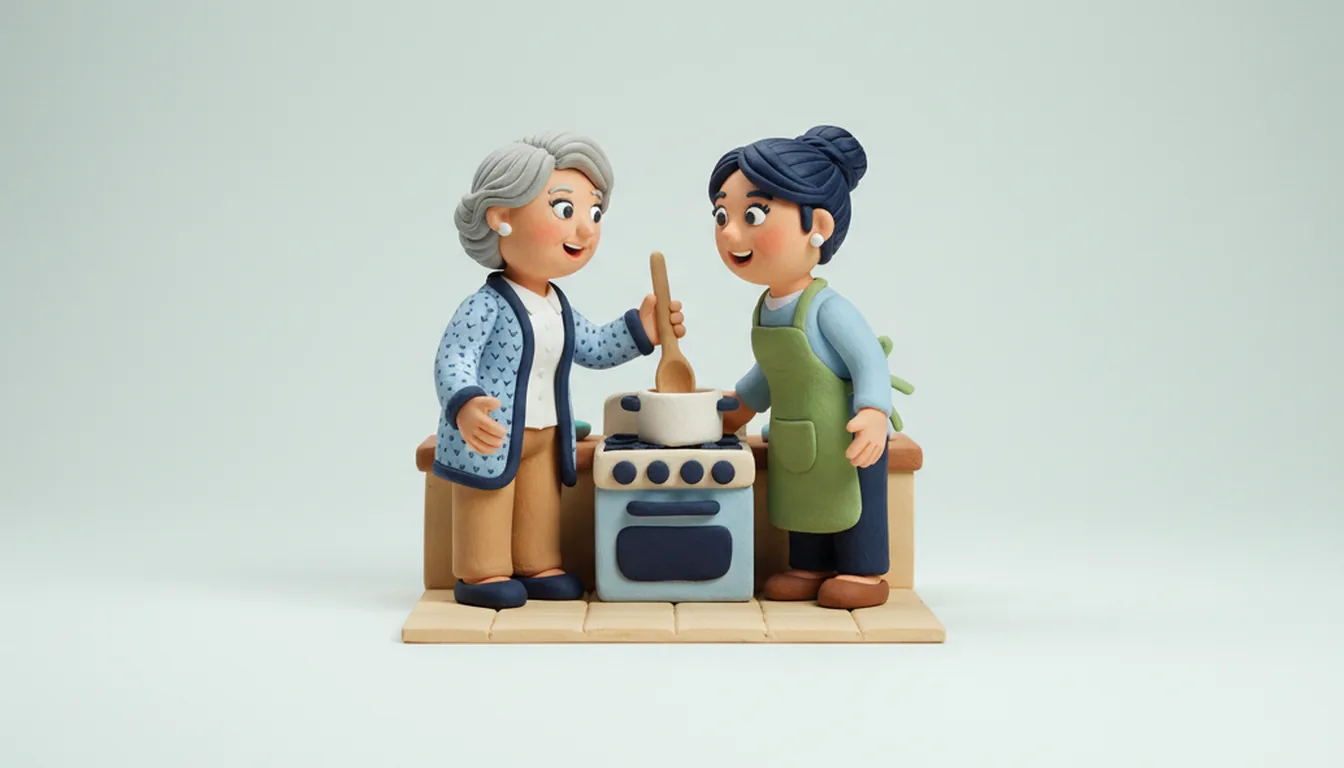
When a daughter-in-law keeps her replies short, keeps visits brief and lets your son do all the talking, she's probably keeping her distance. That isn't always dislike. Many daughters-in-law hold back because they feel watched, compared or crowded, and some are private people who take years to warm up to anyone. The hopeful part for a mother-in-law is that the first move is often hers, and small changes count for a lot.
An example: Carol's son Ben married Amira three years ago. Amira is always polite. She brings a good bottle of wine at Christmas, asks after Carol's knee and sends a thank-you note for every gift. Her texts are a few words long, though, visits end by four, and Carol usually hears about the couple's plans from Ben, after Amira's parents already know. One Saturday Carol drops by with a lasagna and sees Amira's face tighten for half a second before the smile comes. On the drive home she goes over every visit of the last three years, looking for what she did wrong.
Eight signs your daughter-in-law is keeping her distance
One of these on its own proves very little. A pattern of several, lasting a year or more, is worth paying attention to.
- Her replies to your messages are short and polite, and she rarely writes first.
- Plans reach you through your son, and often late.
- Visits have a clear end time, and she tends to find a reason to leave early.
- She is visibly warmer with her own family than with yours.
- She changes the subject or goes quiet when you offer advice.
- She seems tense when you arrive with little notice.
- She tells you little about her own life, her friends or what she's planning.
- Your son seems caught in the middle and steers around certain topics with you.
Dislike, shyness or a full life?
The mother-in-law and daughter-in-law relationship starts without either woman choosing it, so it's normal for it to stay formal for a while. Before you decide she doesn't like you, watch how she is with other people. Some women are reserved with everyone new, and family by marriage stays new for years. A person can seem cold and still care a great deal underneath the short texts and the straight face.
Then look at her week. A couple juggling jobs, small children or a long commute has very little spare time, and a visit to the in-laws is often the first thing to get shortened. That says more about their calendar than about you.
Real dislike tends to have a clear edge: open criticism, years of turned-down invitations, or keeping you away from the grandchildren. What many mothers-in-law notice is softer. It's distance, and distance can shrink.
Why a daughter-in-law might pull back
Usually there's no single reason. These come up often:
- Advice that sounds like criticism. "The baby might need a warmer hat" feels kind to say. To a tired new mother it can sound like "you're doing it wrong."
- Feeling compared. She may sense she's being measured against you, against the way your house ran, or against someone your son dated before.
- Visits that feel like inspections. Dropping in unannounced, looking in the fridge or tidying her kitchen to help can all feel like a check, however kindly meant.
- A son stuck between two women. If he passes on small complaints from both sides, each of you hears the worst version.
- Different family habits. In her family people might call once a month and hug at the door. In yours, people call every day and argue at the dinner table. Neither way is wrong.
- An old hurt. A remark at the wedding or a holiday that went badly can stay with her long after you've forgotten it.
What tends to make it worse
- Asking your son why his wife doesn't like you. He will either defend her or pass it on, and both make things harder.
- Counting visits, calls and gifts against what her parents get.
- Trying harder in the same way, with extra food and extra advice.
- Talking about her with other relatives.
- Reaching her through the grandchildren.
How to get closer to your daughter-in-law
- Ask before you visit. A text a few days ahead turns a drop-in into an invitation, and it shows you respect her home.
- Write to her directly. Send her a message of her own now and then, about something she cares about, instead of always going through your son. Daughter-in-Law Day is an easy reason to send one.
- Be curious about her. Ask about her friends, her family and her hobbies. Remember the answers and follow up next time.
- Keep advice until she asks. If you really can't hold it in, say it once, lightly, and drop it.
- Tell her what she does well. "You two have made this place lovely" costs nothing and can stay with a person for years.
- Make room for her family's ways. Ask how her family spends the holidays, and be willing to take Christmas Day instead of Christmas Eve.
- Find one thing to do together. A walk, a class, a recipe or a show you both watch. Side by side, people often talk more easily than across a coffee table.
- Apologize for an old hurt if you know of one. Keep it short, and then leave it alone.
- Give it time. Plenty of in-law bonds take years. Small, steady warmth does more than one big gesture.
If the friction is about rules, such as visits or the grandchildren, boundaries with in-laws looks at it from the couple's side. It can help you see what they're asking for.
Why some daughters-in-law warm up slowly
Some people hug you at the first dinner, and others need years and a few shared jobs. Typeza sees personality type as part of how fast someone lets a new family in. Six of the 16 types:
- Analyst is calm, fair and a little private. Long, crowded visits tire her, and she may show feelings in a stiff way. A light, friendly mood around her helps.
- Inspector likes plans and fixed dates. A surprise visit can feel more stressful than pleasant to her, while one agreed a week ahead feels respectful.
- Strategist is calm and private and needs time alone to think. Her quiet at the table doesn't mean she's unhappy with you, and she may slowly let you closer.
- Entrepreneur hates wasted time. Her short visits are about her schedule, and she shows care by being useful.
- Guardian knows exactly who she trusts and is loyal once she does. A broken promise stays with her a long time, so admit a mistake plainly and then put it right.
- Craftsman says little and shows care by doing. She may never phone you, then turn up one weekend to fix your fence.
Your own type counts just as much. A warm, chatty mother-in-law can overwhelm a quiet daughter-in-law without meaning to, and a reserved one can seem distant to a talkative one. Any two types share a relationship type. Some, like Duality, grow easy once two people are close, and others ask for more patience on both sides even when both women mean well.
Find out what sits between you two
How fast a daughter-in-law warms up often has to do with her type and with yours. Start with the free family compatibility test. When the timing feels right, send your daughter-in-law the link from your result. Once she has answered, you each see your relationship type: where you meet easily, where you tend to rub and how each side usually feels it.
Questions people ask
Should I talk to my son about it?
Keep him out of the middle. You can ask him what might help, but don't ask him to explain or fix his wife's feelings.
What if she still keeps her distance?
Stay kind and steady, and accept a cooler relationship for now. Many in-law bonds warm up years later, often around a new baby, a move or an illness in the family.
What is a daughter-in-law?
She is the wife of your son or daughter. The plural is daughters-in-law.
What should I do when my daughter-in-law hurts my feelings?
Wait until you feel calm, then tell her once, in private, with one example and no blame, like "I felt left out when I heard about the trip from others." Keep your son out of it. Be ready to hear that something you did hurt her too.
Sources
- Wiktionary, "daughter-in-law". The sense "the wife of one's child" and the plural "daughters-in-law".
Written by Virko Kask, founder of Typeza
Written with the help of AI tools.
One question for two, every week
A question to ask your partner, friend or family, and how different types tend to answer it.
Free. Unsubscribe any time.