
What is an intuitive person? Meaning, signs and daily life
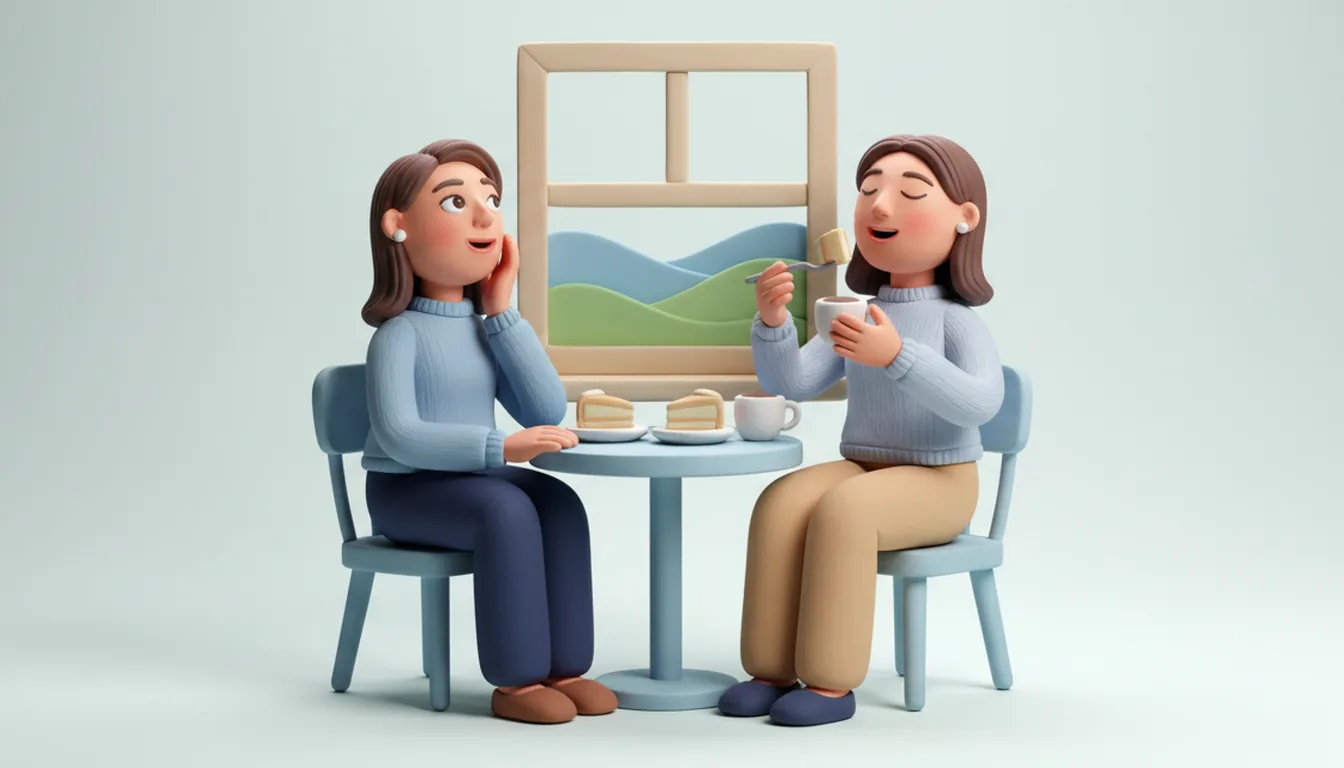
An intuitive person is someone who takes in the world mostly through patterns and possibilities, more than through concrete details. They notice what could happen and how things connect, and they spend a lot of time thinking about the future. The word has nothing to do with being psychic. In Typeza, intuition is one side of a basic trait that every personality type has, and the other side is sensing, which the result calls sensorics.
An example: two friends step off a train in a city neither of them has seen before. Ana notices the smell of fresh bread from a bakery, the cold wind and the cobblestones under her shoes, and she wants coffee right now. Her friend Iris is already wondering what the city looked like two hundred years ago, why the streets curve the way they do and whether they could live here one day. Both are wide awake. They are just paying attention to different things. Iris is what people call an intuitive person.
What does it mean to be an intuitive person?
In everyday speech, "intuitive" means you perceive something directly, without having to reason it out step by step. An intuitive person is quick to see the point, sense where a conversation is going or spot a link others miss.
As a personality trait, intuition describes what your mind reaches for first. An intuitive mind reaches for the abstract: ideas, hidden meanings and what might happen next. A sensing mind reaches for the concrete: what is here, how it looks and feels, and what is happening right now.
Everyone uses both. You can be intuitive and still love a good meal, and you can be a sensing person and still plan ahead. The trait describes which one comes first and costs you the least effort. It is one of four base traits in a personality type, next to how outgoing or reserved you are, which introvert or extrovert covers.
Signs of an intuitive person
If you are intuitive, many of these will sound familiar.
- You often think about what could happen more than about what is happening.
- Step-by-step instructions bore you, and you want to know the idea behind them.
- You notice patterns, like the same argument coming back in different words.
- You daydream easily, in a meeting, on a walk or in the middle of a film.
- You forget where you put your keys but remember an idea from years ago.
- You like metaphors and often explain things by comparing them to something else.
- People tell you that your head is in the clouds.
- You sense how a plan will turn out before you can explain why.
- A new idea excites you more than a new object.
- You notice you are cold or hungry later than the people around you.
Intuitive vs sensing: how the two sides look in daily life
The clearest way to see the difference is in ordinary moments.
- Moving into a new home. A sensing person notices the light, the feel of the floor and where the sofa should go. An intuitive person imagines who they will become living there and what the street will be like in five years.
- Cooking. A sensing person tastes, adjusts and enjoys the smell. An intuitive person improvises from a half-remembered idea and sometimes forgets the pan.
- Telling a story. A sensing person gives the details, like what she wore, what they ate and what time it was. An intuitive person jumps to what it meant and what it reminded them of.
- At work. A sensing person spots the typo and the broken tool. An intuitive person spots the trend and the next problem coming.
Neither side is smarter or more realistic. They are two ways of taking in the same world. The intuition and sensorics guide describes both sides in more detail.
Is being intuitive the same as having good instincts?
Not quite. Everyone has gut feelings. A sensing person who has fixed engines for twenty years has a strong gut feeling about a strange noise, and it comes from long experience with real, concrete things.
An intuitive person's strength works another way. It is a habit of looking past what is in front of them toward patterns and the future. They are often right about where things are heading. They can also be wrong, and they can miss what is obvious to everyone else in the room.
Being intuitive also has nothing to do with reading minds, predicting events or sensing energies. It is an ordinary way of paying attention, and half of the 16 personality types lean this way.
The intuitive personality types
In Typeza, eight personality types lean toward intuition. Each one uses it in its own way:
- Ideator: sees possibilities everywhere and connects ideas nobody else would put together.
- Analyst: sees the pattern that explains something complex and builds a clear framework from it.
- Mentor: sees potential in people and senses where a life is heading.
- Dreamer: senses how situations will develop and finds meaning others overlook.
- Strategist: sees consequences early and spots the flaw in a plan.
- Entrepreneur: sees where value is hiding and the path from today to a goal.
- Counselor: notices feelings others miss and sees who a person could grow into.
- Encourager: spots what a person or an idea could become, and is quick to connect people with new chances.
The other eight types lean toward sensing: the Harmonizer, Vitalizer, Inspector, Commander, Diplomat, Guardian, Organizer and Craftsman. They live more in the present and handle the physical world with ease.
Strengths and blind spots of intuitive people
Intuitive people tend to be good at:
- Seeing where things are heading before others do.
- Coming up with new ideas and fresh ways around a problem.
- Seeing the bigger picture behind single events.
- Spotting potential in people, plans and places.
They tend to struggle with:
- Practical details, like bills, repairs and forms.
- Routine tasks, which bore them fast.
- Physical needs, such as sleep, food or a cold room.
- Staying in the present moment, because the mind keeps running ahead.
Both lists come from the same habit of attention.
When an intuitive and a sensing person are close
Many couples and friendships have one intuitive person and one sensing person. It can be a very good mix. The intuitive one brings ideas, plans and a sense of meaning. The sensing one brings comfort, practical skill and a feel for the moment. Each covers what the other finds hard.
There are friction points too. The intuitive partner talks about moving abroad, and the sensing partner asks who will water the plants. The sensing partner wants to enjoy the meal, and the intuitive partner is already planning next summer. Both can end up feeling unheard.
In Typeza, Duality always pairs an intuitive type with a sensing one, and it is the closest fit Typeza describes for a partner or a friend. Each side handles without effort what the other finds hardest, so the difference feels like support. Two intuitive people can also get on very well and talk for hours, though the dishes may have to wait.
Can you be both intuitive and sensing?
Everyone uses both, every day. Each person still leans one way, and the lean shows in what you do first and what tires you less.
Some people sit close to the middle. They may feel at home with details and with ideas alike. Even then a small lean is there, and it tends to show when you are tired or in a hurry. Years in a detail-heavy job can also teach an intuitive person to act very practical, so the lean hides. Personality masks explains how a learned role can cover the real one.
How to tell if you are intuitive
Ask yourself these questions:
- When you walk into a new room, do you notice the objects and colors first, or the mood and what it says about the owner?
- When you learn something new, do you want the steps or the big idea?
- When you talk about your weekend, do you describe what happened or what it meant?
- Do you live more in the present, or in what might come next?
- When a friend tells you about a plan, do you ask about the practical details or about where it could lead?
If you lean toward the second answer in most of these, you are probably intuitive. How to find your personality type explains other ways to check.
Intuitive or sensing: check your lean
The free personality test needs no theory. No answer is right or wrong. From each pair of statements, you simply choose the one that fits your ordinary days. The result names your type and shows where you fall between intuition and sensing, plus the other three base traits. A close score on that bar is flagged, together with the type you would be if it tipped the other way, so you can read both. Each type's profile is free to read and covers its strengths and blind spots. You see your result without an account.
Living with someone who notices completely different things, the way Ana and Iris do? Your result has an invite to the same test you can pass along. When they finish, you see your relationship type and a short description of what it is like for both of you.
Questions people ask
What are the signs of an intuitive person?
Daydreaming, thinking about the future, noticing patterns, getting bored by detailed steps, explaining things through comparisons and sometimes missing practical details or physical needs.
Is an intuitive person psychic?
No. Being intuitive is an ordinary way of paying attention, focused on ideas and possibilities. It has nothing to do with predicting events or reading minds.
What is the opposite of an intuitive person?
A sensing person, who notices concrete details, the physical world and what is happening now. On the Typeza result this side is called sensorics.
Is being intuitive rare?
It is not rare. Half of the 16 personality types in Typeza lean intuitive, though the types are not equally common.
Sources
- Dictionary.com, "intuitive". The everyday sense: perceiving directly, without rational thought.
Written by Virko Kask, founder of Typeza
Written with the help of AI tools.
One question for two, every week
A question to ask your partner, friend or family, and how different types tend to answer it.
Free. Unsubscribe any time.