
Big ego: what it means, the signs, and how to live with one
When people say someone has a big ego, they mean the person thinks very highly of themselves and needs others to see them that way too. In everyday speech it describes someone who talks about themselves a lot, struggles to admit a mistake and has to come out on top. Your ego is simply your sense of who you are, and everyone has one. The trouble starts when it needs endless praise.
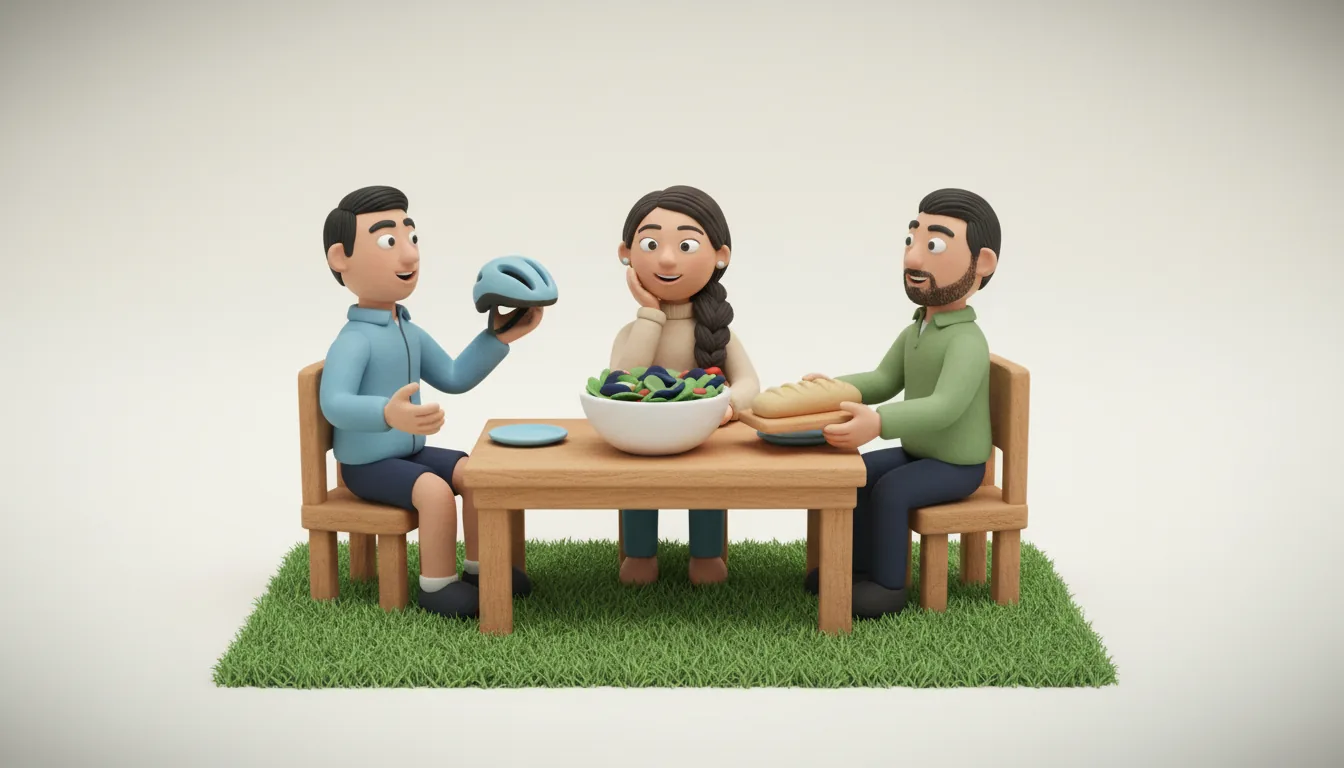
An example: Raj, the eldest of three, arrived at Sunday lunch in his parents' garden still holding his new bike helmet. He had ridden 100 kilometers that morning, and before the salad went round, everyone knew his time, his average speed and how he'd passed a group of younger riders on the last hill. When his sister Mira said she'd finished her first pottery course, Raj said he'd tried pottery once and was "honestly pretty good at it." Mira rested her chin in her hand and smiled across the table at their brother Kiran, who passed her the bread without a word.
After lunch Kiran beat Raj at cards, twice. Raj said the deck was sticky and went to look at his phone. On the drive home, Mira asked Kiran how he puts up with it. "Big ego," Kiran said. "Big heart, too. He drove four hours to help me paint my kitchen last spring and never mentioned it once."
Plenty of people are both, which is what makes a big ego hard to deal with.
What does it mean to have a big ego?
The phrase covers a range. At the light end, it means someone who enjoys the spotlight a little too much, like a friend who tells the same marathon story every time you meet. At the heavier end, it means someone who can't stand being wrong, hears every joke as an attack and needs to win every small contest. People also say "an inflated ego" or call someone "full of themselves."
What the phrase rarely means is that the person feels great about themselves inside. Often the loudest ego belongs to someone who needs a lot of reassurance. Raj's bike times were a way of asking his family to be impressed. The line between confidence and arrogance runs close to this one, and a big ego usually sits on the arrogant side of it.
Signs of a big ego
Nobody shows all of these, and anyone can show one on a bad day. A pattern over months is what counts.
- They steer conversations back to themselves, often within a minute.
- When you share good news, they top it with a bigger story of their own.
- They rarely say "I was wrong," and a real apology costs them a lot.
- Losing a game puts them in a mood, and they find a reason the loss didn't count.
- They fish for compliments with lines like "Not bad for a first try, right?"
- They ask few questions and forget the answers to the ones they do ask.
- They laugh at others but get prickly when the joke is on them.
- They drop the names of impressive people they know.
- They brush off advice from anyone else, while their own advice comes unasked.
Raj shows several of these signs. He also shows up when it counts, and no list of signs includes that.
A healthy ego and a fragile one
Everyone needs an ego. A healthy one lets you say what you want, take a compliment, try something hard and stand up for yourself. People with a steady sense of self can lose a game of cards and laugh about it, because one loss says nothing about who they are.
A fragile ego looks big from the outside and breaks easily. Every disagreement feels like a threat, so it gets argued. Every small failure needs an excuse, like a sticky deck. Praise has to keep coming because it doesn't last. Often what people call a big ego is this fragile kind, only louder.
The difference shows when things go wrong. Someone with a healthy ego can say "fair point, I hadn't thought of that." Someone with a fragile one changes the subject, gets louder or goes quiet and sulks.
Bruised ego: what it means
A bruised ego is the sting you feel when your pride takes a knock. Losing in front of people, being corrected at the dinner table or finding out you were wrong about something you were sure of can all do it. It's a small, ordinary hurt, and it fades.
When someone close to you has a bruised ego, give them a way back that keeps their dignity. A cheerful "rematch next Sunday?" would have cost Kiran nothing and spared everyone a sulk.
Confident types that get mistaken for big egos
Some people talk about themselves a lot without needing anyone's admiration. Five of the 16 types are often misread this way, listed here in types page order.
- Ideator: thinks out loud and gets carried away by an idea, so they can take over a conversation without meaning to. Ask them a question and they'll happily switch to your idea.
- Vitalizer: fills a room with stories and feeling. They want to lift everyone's mood, and they're often first to cheer someone else's news.
- Diplomat: likes to be noticed and tells a good story about their own wins. It's energy more than vanity, and they'll pull you into the next adventure with them.
- Entrepreneur: shares results the way other people share feelings. "I got it done in two days" is how they tell you about their week.
- Encourager: talks fast and excitedly about their latest plan, then turns that same excitement on yours.
The test is simple. Do they ask about you, and do they listen to the answer? Can they change their mind when you give them a good reason? Loud people who do both have a strong voice and an ordinary ego.
Do I have a big ego?
Asking it is already a good sign. Think back over the last few weeks.
- When a friend told you their news, did you ask a follow-up question or tell a story of your own?
- When did you last say "I was wrong" out loud?
- How did you feel the last time someone else got the praise you wanted?
- Can you lose a game and still enjoy the evening?
- Do people bring their good news to you, or save it for someone else?
If a few answers make you wince, try one small change. Ask two questions before you share your own story, or let someone else have the last word in a small disagreement.
Staying close to someone with a big ego
Many of us have someone like Raj: a friend who one-ups, a sibling who has to win or a partner who finds "sorry" hard to say. You don't have to put up with everything or push them away. A few habits help.
- Praise the real things, plainly. Fragile egos fish less when they get honest praise for things that deserve it. "That ride sounds brutal. Well done" goes further than a sigh.
- Ask for your turn. "Hang on, I wasn't finished. Let me tell you about the course" is fair, friendly and clear.
- Let the small stuff go. A brag about bike times doesn't need a correction. Save your energy for what hurts.
- Raise a pattern on a calm day. With a sibling or partner, pick a quiet moment away from the family table and name one thing: "When I share news, I'd love it if you asked about it first."
- Remember where it comes from. Their need to win grows out of their own worries, and not taking things personally gets easier once you see that.
- Notice the big heart, if there is one. Some people with big egos are also generous and loyal. Kiran keeps the painted kitchen in mind.
A big ego is also different from selfishness. Raj wants attention, but he still drove four hours for his brother. If someone takes and takes without giving back, being selfish may describe the problem better.
See if you talk in results or in stories
Someone who talks about their wins all the time may simply have a type that shares results the way others share feelings. The free personality test tells you which way you lean. If a sibling's way of talking gets under your skin, send them the link from your result so they can take the same test. When they finish, the relationship type you share may explain why one of you talks in results and the other in stories.
Questions people ask
What does it mean when someone has a big ego?
It means they think very highly of themselves and need others to agree. They often talk about themselves, struggle to admit mistakes and need to win.
What does "too big for your britches" mean?
It means someone is acting more important than they are, or thinks they're above the people around them. Britches is a mainly American form of breeches, an old word for trousers, so the picture is a person who has outgrown their own clothes. The phrase first shows up in print in an 1835 book by Davy Crockett, and a similar saying is "too big for your boots."
Is ego good or bad?
Neither on its own. A healthy ego helps you stand up for yourself and try hard things. Trouble starts when the ego is fragile and needs constant praise to feel safe.
What is a healthy ego?
A steady sense of who you are. People with a healthy ego can take a compliment, admit a mistake and lose a game without feeling smaller.
Is ego an emotion?
No. Your ego is your sense of yourself. Pride, embarrassment and hurt are the emotions that show up when something touches it.
Sources
- The Phrase Finder, "Too big for your breeches". First found in print in An Account of Col. Crockett's Tour to the North and Down East (1835). The "boots" version shows up from the 1860s.
- Wiktionary, "britches". Chiefly US spelling of breeches.
Written by Virko Kask, founder of Typeza
Written with the help of AI tools.
One question for two, every week
A question to ask your partner, friend or family, and how different types tend to answer it.
Free. Unsubscribe any time.