
Brutally honest: what it means, and brutal vs kind honesty
To be brutally honest is to say the plain truth with no softening, even when it will hurt. A brutally honest person tells you what they think, directly and fast, and spends little effort on how it lands. The phrase can be a request, as in "I need a brutally honest opinion," or a gentle warning, as in "he can be a bit brutally honest." The truth is often useful. The brutal part is optional.
An example: Bruno has always called himself brutally honest, and he says it the way some people mention a degree. He told his brother that his new beard made him look like a lost sailor. Then his sister Ilse asked him to read the speech she had written for their parents' fortieth anniversary. Bruno said it was too long and too sentimental. Ilse cut it to six lines. At the party their mother thanked her for the "sweet little speech" and asked, a bit sadly, why she hadn't said more. Bruno had been right about the length. He had been wrong about the feelings, and they were the best part.
What does brutally honest mean?
Brutally honest describes honesty with the cushioning taken out. There is no "I might be wrong," no compliment first and no waiting for a better moment. The word "brutally" points to the effect on the listener, since the words can feel like a blow even when every one of them is true.
People ask for it ("Be brutally honest, is this dress too much?"), call themselves it with some pride, or use it about someone they admire and wish were a little gentler.
Close words include blunt, frank, candid, outspoken and direct, and people also say someone "tells it like it is." A blunt person speaks plainly and briefly. A frank person is open about things others might keep quiet. Brutally honest goes a step further than both, because it accepts the hurt as part of the deal. A contrarian is different again. They argue the other side mostly because everyone else agrees.
Honest to a fault
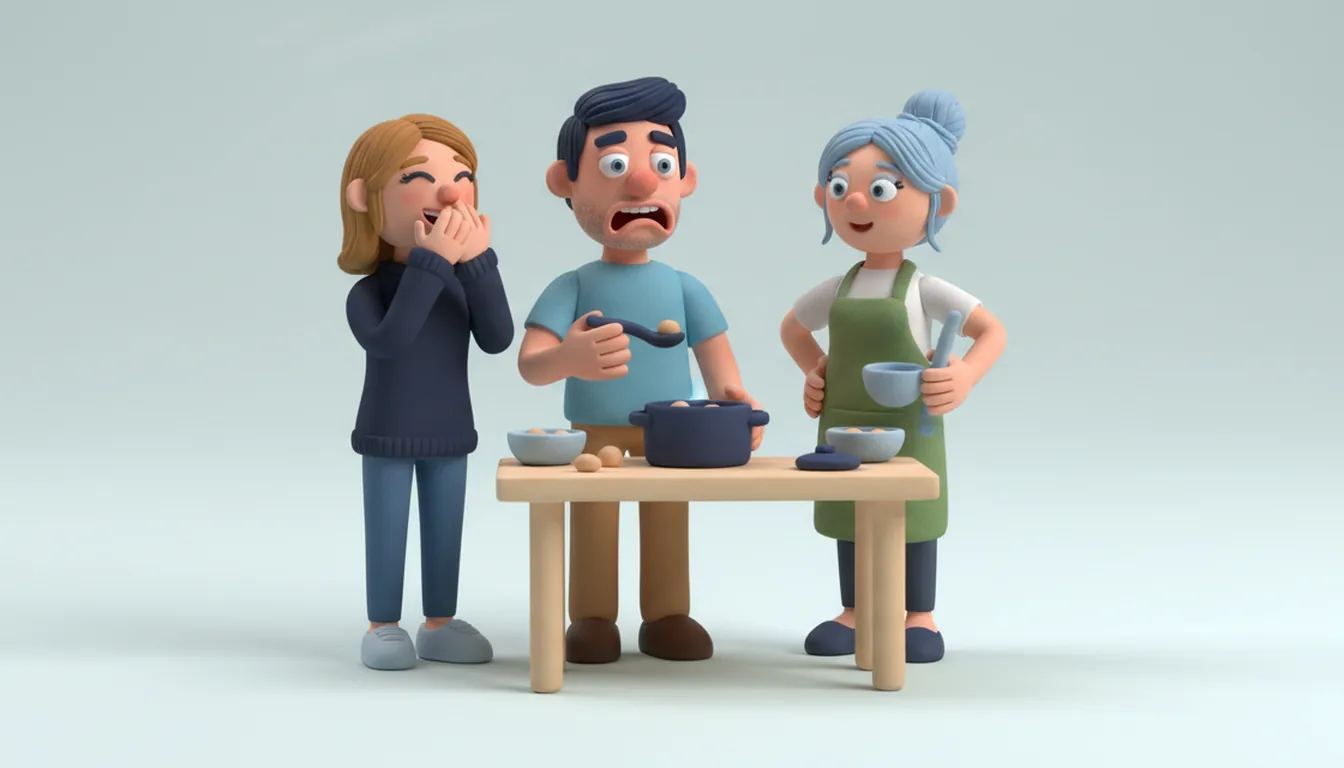
"Honest to a fault" means so honest that it causes trouble. The person tells the truth even when a little tact would serve everyone better. They spoil the surprise party, tell the host the soup needs salt, or own up to a small mistake in front of the whole table.
It is usually said with affection. Someone honest to a fault is trusted completely, and sometimes kept away from secrets. The difference from brutal honesty is the edge. Brutal honesty often carries a bit of one. A person who is honest to a fault usually has none and simply can't hold the truth in.
Brutal honesty vs kind honesty
Both tell the truth. They differ in almost everything around it.
- Who it serves. Brutal honesty often serves the speaker, who gets to feel straight-talking and right. Kind honesty is aimed at the listener and what will help them.
- Timing. Brutal honesty says it now, even an hour before the wedding. Kind honesty first asks if there is still time to change anything.
- How much. Brutal honesty lists every flaw. Kind honesty picks the one or two that matter.
- Tone. Brutal honesty sounds like a verdict. Kind honesty sounds like someone on your side.
- Was it asked for? Brutal honesty volunteers. Kind honesty usually checks first: "Do you want my honest take?"
Kind honesty is still honest. It won't call a bad plan good. It remembers that a person sits on the other end of the sentence. Kind vs nice covers the close cousin of this idea, the gap between being pleasant and acting for someone's good.
Brutally honest examples, and kinder versions
The same truth can be said two ways. Here are a few everyday moments:
- Your brother's new beard. Brutal: "You look like a lost sailor." Kind: "I liked your face better without it. Give it a month and see what you think."
- A friend's baby name. Brutal: "That sounds like a cough medicine." Kind: "I love the meaning. Have you tried saying it out loud with your last name?"
- Dinner at a friend's place. Brutal: "It's too salty." Kind: nothing tonight, since nothing can be fixed now. If they ask later: "Next time I'd go easier on the salt."
- A sister's anniversary speech. Brutal: "Too long and too sentimental." Kind: "The bit about the garden is lovely. I'd cut the list of dates at the start so people get there sooner."
- A friend's karaoke plan. Brutal: "You can't sing." Kind: "Pick a song with a big chorus. Everyone will join in anyway."
In each kind version the main truth stays in. What goes is the part that adds hurt and changes nothing.
Why some people say it straight
How directly someone speaks depends a lot on personality type. Some types reach for the plain truth first, and others reach for the words that will land. A few examples, in types page order:
- Analyst puts accuracy above comfort. Rounding a truth up to make it nicer feels to them like lying.
- Commander wants to fix the problem fast and sees softening as a delay. Their honesty is quick and well meant, and it can bruise.
- Dreamer chooses words with care and often hints instead of saying it outright. A friend may need to ask twice to hear what they really think. When the hints go on for a while, people say they beat around the bush.
- Diplomat reads the room before speaking and frames the truth so it will be heard. They can be very honest, with good timing.
- Entrepreneur judges a plan by whether it will work and says so. The feelings around the plan can look to them like a side issue.
- Encourager sees the best in people and leads with it. Their honest point often arrives last, after three compliments.
- Craftsman uses few words and means all of them. "That shelf won't hold" is the whole speech.
No type is more honest than another. They only differ in how the truth comes out. Ilse may need a more careful kind of honesty than Bruno is used to giving.
Is being brutally honest a good thing?
Sometimes. Brutal honesty helps when:
- there is danger, like a friend about to drive after drinking;
- a decision can still change, and time is short;
- the person asked for it plainly and means it.
It does harm when the truth can't be acted on anymore, when it is said in front of others, or when the speaker enjoys the sting a little too much. A truth that changes nothing and only hurts is closer to unkindness than to honesty, and in those moments saying nothing is often kinder.
Some people who call themselves brutally honest are honest about others and less so about themselves. A sincere person turns the same honesty inward too.
How to be honest without being brutal
- Ask first. "Do you want my honest opinion, or should I just listen?" Both are fair answers.
- Check if it can still change. If the wedding is in an hour, the dress is perfect.
- Pick the one thing that matters. Leave the rest for another day, or for good.
- Start with what works. Say something true and good, then the problem, plainly.
- Talk about the thing, not the person. "This paragraph is long" lands better than "you always ramble."
- Say it in private. Honesty in front of others turns into embarrassment.
- Offer to help. "Want me to read the next draft?" turns a hard truth into a shared job.
When a friend or partner is brutally honest with you
Living with a very direct person has an upside, since you never have to guess what they think. A few things make it easier:
- Ask for the version you need. "Give me the one thing to fix" works with many blunt people.
- Remember that directness is often their way of caring. They would not bother telling a stranger.
- Say when it went too far, and be specific. "The sailor line stung" helps more than "you're so harsh."
Ways of talking clash in couples too, and communication styles in relationships looks at how to bridge them.
Find out how your type tells the truth
Bruno now asks Ilse one question before he gives an opinion: "Short version or kind version?" She usually picks the kind one. Your personality type can show which way you lean when you have something hard to say, and why some people hear your honesty so differently from how you meant it. The free personality test on Typeza is 41 choices between two statements. Your type shows up as soon as you are done, with your spot on four base traits and a free profile of your strengths and the things you struggle with. None of it asks you to sign up.
If you and a friend keep clashing over who said what and how, invite them to the same test from your result. Sending an invite needs a free account. When their answers are in, the two of you can read your relationship type.
Questions people ask
What is a blunt person?
Someone who says what they think plainly and briefly, with little softening. Blunt people are often easy to trust, because you always know where you stand with them.
What does honest to a fault mean?
It means being so honest that it causes problems, like spoiling a surprise or owning up at the wrong moment. People usually say it fondly.
Is it good to be brutally honest?
It helps in some moments, like when there is danger or someone has asked for it. Most of the time, kind honesty gets the same truth across with less hurt.
What is another word for brutally honest?
Blunt, frank, candid, outspoken or direct. Each one is a little softer than brutally honest.
What is the difference between brutal honesty and kind honesty?
Both tell the truth. Brutal honesty says all of it at once with no thought for how it lands. Kind honesty picks the part that helps and says it in a way, and at a time, the other person can take in.
What does "don't shoot the messenger" mean?
It means you shouldn't blame the person who brings bad news for the news itself. When a friend tells you the cabin for your trip was double booked, they're only the one who found out first. The saying only covers the news itself, though. A sharp remark the messenger adds on top is their own, and that's often where brutal honesty begins.
Written by Virko Kask, founder of Typeza
Written with the help of AI tools.
One question for two, every week
A question to ask your partner, friend or family, and how different types tend to answer it.
Free. Unsubscribe any time.