
Happy wife, happy life: what it means, and why it works both ways
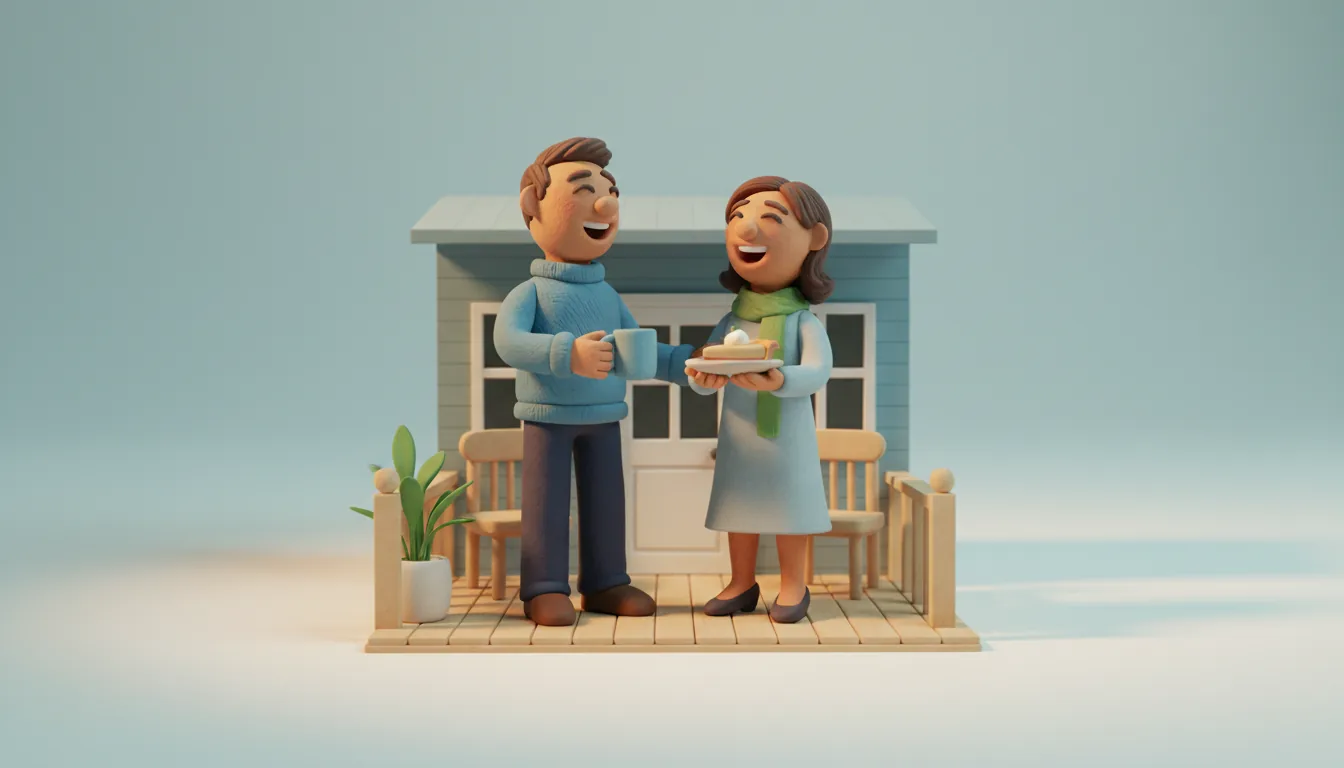
"Happy wife, happy life" is a rhyming saying. It means a marriage runs better when the wife is content, so a husband should keep her happy. People say it at weddings, as a joke when a man gives in on something small, and now and then as real advice. There is truth in it, and there is a trap.
An example: at Sam's wedding, his uncle gave the shortest speech of the night. He raised his glass and said, "Happy wife, happy life." The room laughed, and Sam took it to heart. For seven years he said yes to the paint colors, the holiday plans and the Sunday lunches at her parents' house. Then one evening his wife, Nora, put down her fork and asked what he wanted for his birthday. He could not think of a single thing. Nora did not look happy at all.
What does "happy wife, happy life" mean?
Taken word for word, the saying claims that a husband's whole life goes well when his wife is happy. If she is pleased, the house is calm. If she is not, nobody rests. So the husband's best plan is to keep her smiling.
Many people mean something softer. They mean that you should care about your partner's mood, pick your battles and let the small things go. Arguing about the color of a cushion is rarely worth a cold evening.
You will also hear it flipped as "happy life, happy wife", or stretched to "a happy wife makes a happy life". All of them carry the same idea.
How people use the saying
The same five words can land in very different ways.
- As a toast. At a wedding it is a light piece of advice for the groom, said with a wink.
- As a shrug. A husband agrees to a third trip to the garden center and says it with a grin, as if to explain himself to his friends.
- As a rule. Some men treat it as the whole plan for a marriage: never argue, always agree.
- As a sign on the wall. It is printed on mugs, tea towels and kitchen signs, and gets bought as a gift for couples.
The first two are mostly harmless fun. The third is the one that causes trouble, as Sam found out.
What the saying gets right
Under the joke sits a real point. In a close relationship, one person's mood spreads to the other. When your partner is stressed, you feel it at dinner. When they are glad, the whole evening is lighter. Caring about how your partner feels is good for both of you.
The saying also nudges people toward small kindnesses. Bringing tea, remembering the dentist appointment, taking the kids out so the other one can sleep in. Habits like these build up over the years. How to make your partner feel loved lists plenty more.
It also reminds you that many fights are not worth winning. A good partner can let the other choose the restaurant without keeping a tally.
Where it goes wrong
The trouble starts when one person's happiness becomes the only one that counts.
When one partner always gives in, a few things tend to happen. They stop knowing what they want, because nobody has asked in years. They start to feel a quiet resentment, even if they never say it. And the partner who always gets their way may end up less happy, too. Living with someone who never pushes back can feel lonely, because you never really know what they think.
That is what happened to Nora. She did not want a husband who agreed with everything. She wanted a husband she knew, and seven years of yes had made Sam harder to reach.
The saying also bakes in an old idea about men and women: that wives are fragile and moody and husbands are there to manage them. Plenty of couples today find that picture outdated, and many couples are two women or two men, where the rhyme makes no sense at all. How to compromise in a relationship looks at the healthier version, where both people give a little.
Happy husband, happy life: the other half
People sometimes answer the saying with "happy husband, happy life", or "happy spouse, happy house". Both make the point the original leaves out. A marriage works when each person's happiness matters to the other. For the wife's half of that, see how to be a better wife. One easy place to begin is Husband Appreciation Day in April.
In practice that looks like this:
- Both partners say what they want, even about small things like where to eat.
- Both take turns giving way, and nobody keeps score in a notebook.
- Both notice when the other is worn out, and step in without being asked.
- Both feel free to have a bad day without the other one panicking.
None of this needs a rhyme, only two people who pay attention to each other.
What "happy" means is different for each partner
This is the part that catches even caring couples. Each person tends to give the kind of care they would like to get. A partner who loves surprises plans surprises. A partner who loves peace and quiet protects peace and quiet. If you happen to want different things, both of you can try hard and still miss.
Typeza sorts people into 16 personality types, and each one pictures a good day in its own way. A few examples of what tends to keep a partner content:
- Harmonizer: a cozy home, good food, a pleasant evening with no drama, and someone who notices the quiet work they do to keep things nice.
- Analyst: time alone to think, a partner who accepts that they are not chatty, and some help with the daily chores they tend to forget.
- Commander: freedom to act, respect for what they can do, and a partner who can stand up to them without a scene.
- Dreamer: room for their inner life, beauty around the house, and a practical partner who takes care of the details.
- Organizer: real thanks for everything they do, a partner who is flexible about their methods, and permission to stop and rest.
Give a Dreamer a packed weekend of plans and they may feel crowded. Give a Commander a quiet weekend with no goals and they may feel restless. The effort is the same, and the gift is wrong.
Some pairs of types find this easy. In Duality, for example, each partner tends to give what the other needs without much effort. Other pairs have to learn it on purpose, and many do well once they have.
How to keep both of you happy
A few habits help more than any slogan.
- Ask, then ask again. "What would make this week easier for you?" works better than guessing. People change, so ask more than once a year.
- Say your own wish out loud. If you always say "whatever you want", your partner never gets the chance to make you happy.
- Split the giving. If your partner gave way on the last few choices, let the next one be theirs.
- Learn their kind of happy. Notice what really lifts your partner, which is also where being a better husband starts. It may be a clean kitchen, a long walk or ten minutes of silence after work.
- Check in now and then. A short talk every few weeks about how things feel can catch resentment early. Relationship expectations covers the unspoken rules that often sit behind it.
Sam and Nora started with the birthday question. It took him a week to answer. He wanted a day of fishing with his brother, something he had not done in years. Nora booked the cabin herself.
Learn what makes your partner content
Sam had spent seven years guessing what made Nora happy, and the guesses were only half right. A personality type gives you a better place to start. On the couples compatibility test page you can take the free test and see your own type straight away, before any sign-up. To bring your partner in, create a free account and send them the link from your result. Once they have answered for themselves, you both see the relationship type that links you and how it usually plays out for each partner, which is a good opening for the "what do you want" talk.
Questions people ask
What does "happy wife, happy life" mean?
It means a marriage goes better when the wife is content, so a husband should care about keeping her happy. Many people use it as light advice to pick your battles.
Is "happy wife, happy life" true?
Partly. Caring about your partner's mood helps any couple. It goes wrong when one person's happiness is the only one that counts, because the partner who always gives in tends to grow quiet and resentful.
What is the husband version of the saying?
People say "happy husband, happy life" or "happy spouse, happy house". Both make the point that a marriage needs each person's happiness to matter.
Is "happy wife, happy life" sexist?
Some people find it so, because it pictures wives as moody and husbands as the ones who keep the peace. Many couples use it as a joke and treat each other as equals anyway.
Written by Virko Kask, founder of Typeza
Written with the help of AI tools.
One question for two, every week
A question to ask your partner, friend or family, and how different types tend to answer it.
Free. Unsubscribe any time.