
Expectations in a relationship: what is fair to expect, and where the unspoken ones come from
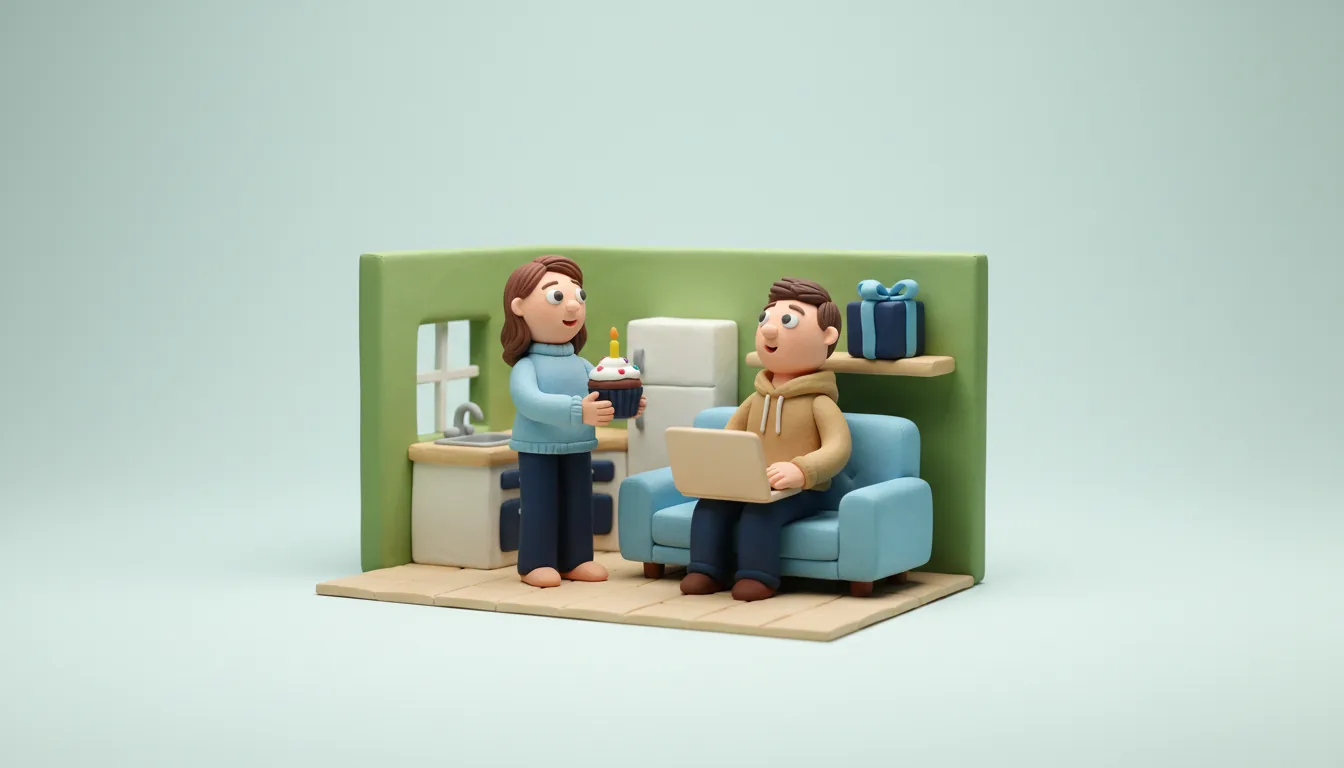
It is fair to expect respect, honesty, faithfulness, time together, help in hard times and a fair share of the work at home. Past that list, trouble tends to come from expectations nobody said out loud. Those come from your family, your past and your personality.
Picture this: you thought your partner would plan something for your birthday. Your partner thought you would say what you wanted. You were tired and hoped they would notice, and in their world a tired person says so. Neither of you did anything wrong, and the evening still went badly.
What are expectations in a relationship?
Expectations in a relationship are the things you assume your partner will do for you and with you. Some are spoken: you agreed to be faithful, to split the rent, to take turns with Christmas. Many are never spoken. You simply assume that a partner calls when they will be late or wants to hear about your day.
Unspoken expectations are where the trouble starts. Your partner cannot keep a rule they do not know exists. When they break it, you feel they did not care. To them, nothing happened.
What are healthy expectations in a relationship?
Some expectations are fair in almost any relationship. These are the relationship standards many couples share, whatever else they disagree on.
- Respect, also in an argument.
- Honesty about the things that matter.
- Faithfulness, in whatever form the two of you agreed on.
- Time together, and interest in each other's life.
- Help when one of you is ill, grieving or under pressure.
- A fair share of the work at home.
- Room for your own friends, hobbies and time alone.
- Safety. Nobody should be afraid of their partner.
If a relationship misses these again and again, no theory of personality explains it away. The rest of this article is about the expectations beyond this list, where two good people can want very different things.
Relationship needs and expectations: what is the difference?
A need is what you need to feel loved and safe. An expectation is the shape you assume it will take. You need to feel cared for, and you expect a text during the day. You need to feel close, and you expect long talks in the evening.
The need is usually fair. The shape is where couples differ. Your partner may show care by fixing the bike or keeping the fridge full, and never think of texting. If you only look for your shape, you miss what they give. How to make your partner feel loved looks at the same gap from the giving side.
In any argument about expectations, ask two questions first. What is the need behind it? Is there another way to meet that need?
Where do unspoken expectations come from?
Many of them come from places you never chose.
The family you grew up in. If your parents ate dinner together every night, a partner who eats in front of the laptop can feel cold.
Past relationships. A former partner who never called when late can leave you expecting a call every time.
Films, social media and the couples around you. They paint a picture of what a partner does.
Your own personality. Each person has things they handle with ease and care about, like a warm home, a clear plan or new ideas. What comes easily to you feels obvious, and what feels obvious, you expect from your partner. Someone who always notices when a room is cold expects their partner to notice too. When the partner does not, it can feel like they do not care. Usually they just did not see it.
Why is the same expectation easy for one partner and hard for another?
In socionics, the model at the heart of Typeza, there are 16 personality types. Every type is sure of itself with some kinds of information and unsure with others. Any two of them form one of 16 relationship types. The relationship type shows which of your expectations your partner meets without trying, and which ones land where they are weakest. Here are three patterns couples often recognize.
The partner who meets expectations you never said
Some partners do what you need before you ask. You never had to explain that you need a calm evening after a hard day. They just did it, and it did not feel like a favor, because for them it was easy. You did the same for them where they were weak.
This is Duality, the closest fit for a partner. Take the Ideator and the Harmonizer. The Ideator brings new ideas and clear explanations. The Harmonizer brings comfort and a warm mood. The catch is that Duality shows only up close. On a first date it can feel merely pleasant.
The partner who wants the same thing and does it another way
You agree on what matters, like a home full of friends or money saved for a house. Then you try to do it together and each of you expects it done your own way. This is Kindred. The goal is shared, and the expectations about the route are not. These couples often do best when they split the tasks and let each person run their part.
The partner who expects what you find hardest
In Conflict, what comes easiest to one partner lands squarely on the other's weak spot. One expects a quick decision, and the other needs time to think it through. One expects care shown in warm words, and the other shows care by fixing things. Each partner's most basic expectation is the other's hardest task, so both can try very hard and still feel they are failing.
None of this means a couple in a harder type should split up. It means some expectations will always cost one of you effort, and it helps to know which ones.
What do guys expect in a relationship?
Ask men what they expect from a partner and the answers are much the same as anyone's: respect, loyalty, thanks for what they do, fun together, and some time alone that is not taken personally.
The bigger differences are between personalities. One man wants long talks and a partner who reads his mood. Another wants a partner who makes plans and pushes him to act. Asking what this one man expects, and what comes easily to him, tells you more than any list.
Marriage expectations: what changes when you live together
Dating gives each of you some distance. Marriage or moving in takes that distance away, and new expectations start to matter: who cooks, how clean is clean, how money is spent, and how much quiet each person needs.
Relationship types show more clearly in daily life too. Activation is lively on dates and can wear both partners out when they share every evening. Duality often grows stronger, because the daily exchange is what makes it work. Before you move in, go through the practical expectations one by one, and say out loud the ones you think are obvious. Some couples choose to keep two homes even when married, and living apart together covers why.
What are unrealistic expectations in a relationship?
Some expectations set any partner up to fail.
- That your partner should meet all your needs.
- That they should know what you want without being told.
- That you will always feel the same spark as in the first months.
- That a good couple never argues.
There is one more, and it is easy to miss: expecting your partner to be strong where their type is weak. Asking a partner who lives in ideas to enjoy running the household budget means asking them to work in their hardest area every day. They may do it for you. It costs them more than it would cost you, so thank them for it.
How to talk about expectations with your partner
Pick a calm moment, away from a fight.
Say the expectation in plain words. "I'd like us to eat dinner together most nights" is easier to answer than "you never make time for me".
Ask what they expected. Often they had an unspoken rule of their own that you broke without knowing.
Split tasks by what comes easily. The partner who enjoys planning does the planning. The split may not be fifty-fifty, and it is often fairer that way.
Revisit the list whenever life changes, for example with a new city, a new job or a baby. Communication styles in relationships covers how to say what you need without a fight.
How to see where your expectations meet
Which pattern you are in is hard to see from inside. The free couples compatibility test comes with an invite link on your result for your partner. After your partner finishes, you both see your relationship type, what comes without effort in it and where you tend to rub. It gives you a calm way to talk about the expectations that never got said.
Questions people ask
What are reasonable expectations in a relationship?
Respect, honesty, faithfulness in the form you agreed on, time together, help in hard times and a fair share of the work at home. Beyond those, fair expectations are the ones you have said out loud and agreed on.
Why does my partner not meet my expectations?
Often they do not know about them. Many expectations are never said, because they seem obvious to the person who holds them. Your partner grew up in a different family and has a different personality, so other things seem obvious to them.
How do you set expectations in a new relationship?
Talk about the practical things early: how often you want to meet, how you keep in touch, money and plans for the future. Say what you need and ask what they need, and come back to it as the relationship grows.
What is the difference between standards and expectations in a relationship?
Standards are your floor, such as respect, honesty and feeling safe, and they stay the same with anyone. Expectations are the everyday shapes you hope things take, and you work those out together.
What do women expect in a relationship?
Mostly what anyone expects: respect, honesty, warmth and a partner who shows up. Personality changes the details more than gender does.
Written by Virko Kask, founder of Typeza
Written with the help of AI tools.
One question for two, every week
A question to ask your partner, friend or family, and how different types tend to answer it.
Free. Unsubscribe any time.