
Signs your partner doesn't respect you, and what respect looks like
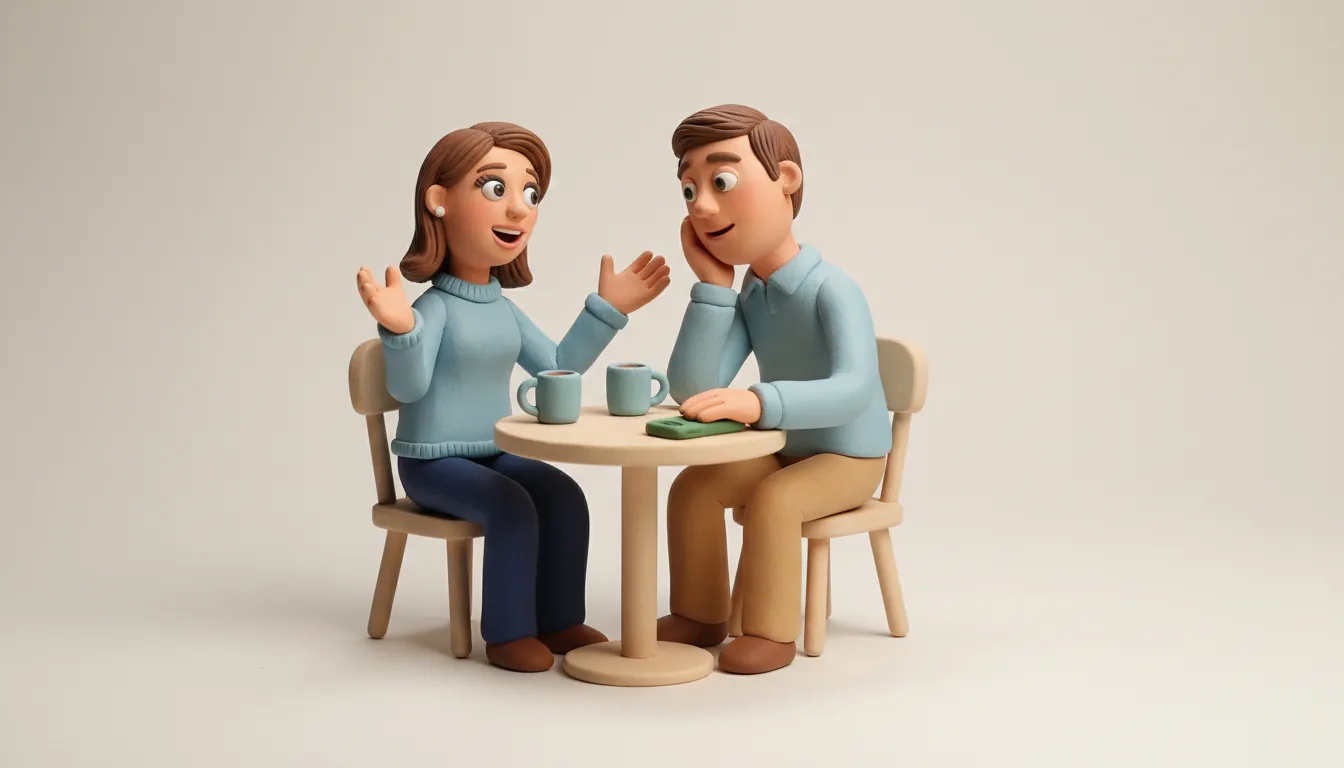
The signs your partner doesn't respect you are habits that repeat: they look at their phone while you talk, mock you in front of others, wave off your feelings, decide big things without you and ignore your no. One bad day is not a pattern.
An example: she is halfway through a story about her day when he picks up his phone. He keeps nodding. Later, at dinner with friends, he corrects the way she tells a story, and everyone laughs except her. Nothing about it is a big fight. Still, on the drive home she wonders, "Does he even respect me?"
What is respect in a relationship?
Respect in a relationship means you treat your partner as an equal whose feelings, time and choices count as much as your own. You may not agree with them. You still take them seriously.
Much of it shows in small daily things. You listen, keep your word and ask before you decide something that affects you both. A partner who respects you is glad that you have your own opinions, friends and plans.
What does respect look like in a relationship?
- They listen when you talk and remember what you said.
- They keep their promises, or tell you early when they can't.
- They ask your opinion on things that affect you both.
- They speak well of you to other people, even when you are not there.
- They disagree with you without mocking you.
- They accept a no.
- They make room for your friends, your work and your time alone.
- They say sorry when they get it wrong.
Signs your partner doesn't respect you
These signs matter when they happen again and again.
- They interrupt you or look at their phone while you speak.
- They make fun of you in front of others and call it a joke.
- They wave off your feelings with "you're too sensitive".
- They make big decisions about money or plans without asking you.
- They break promises and don't seem to mind.
- They attack who you are when they are upset about something you did.
- They ignore your no, or push until you give in.
- They treat your work, hobbies or friends as less important than theirs.
- They bring up old mistakes in every argument.
Signs of disrespect in a relationship are often small and easy to explain away. What they share is the message underneath: your feelings and your time count less.
Some behavior goes far beyond two people being different. Humiliation, control, threats and fear are not a difference of types. If you feel afraid of your partner, talk to a person you trust or a local helpline.
What is mutual respect?
Mutual respect means respect goes both ways. Each person treats the other as an equal, and neither has to earn the right to be heard.
Here is an example of mutual respect. You want to spend the holidays with your family, and your partner wants to spend them with theirs. You each say why it matters, listen to the other and agree on a plan you can both explain to your relatives. Nobody wins by being louder.
Couples with mutual respect still disagree. After the argument, both still feel taken seriously.
Why is respect important in a relationship?
Love makes you want to be close, and respect is what makes it safe. Without it, people stop sharing their opinions and stop asking for what they need. They keep quiet to avoid a fight, and over time that silence can do more damage than a loud argument. Even unconditional love, the kind that stays through mistakes and hard years, needs respect next to it.
Respect also makes hard talks possible. When you trust that your partner takes you seriously, you can bring up money, chores or the in-laws without bracing yourself.
How to respect your partner
Respect is a habit more than a feeling. A few things help.
- Listen to the end. Put the phone down and let them finish before you answer.
- Ask before you decide. A big purchase or a weekend with friends is a shared decision.
- Keep small promises. Being on time or calling when you said you would shows more respect than big words.
- Argue about the idea. Say "I see it differently" and leave out words like stupid or ridiculous.
- Praise in public, raise problems in private.
- Say what respect means to you. Your partner may show it in a way you don't notice, and you may do the same.
If respect has worn thin, start with one change you can both see, like no phones at dinner. Talk about the bigger pattern when you are both calm.
Quotes about respect between two people
These lines are about the everyday kind of respect between partners. Send one, or keep one where you'll see it.
- "Respect is listening to the end of the sentence, even when you think you know how it ends."
- "We can disagree all evening. What matters is that you take me seriously the whole time."
- "Love makes you want to stay. Respect makes it safe to."
- "You never talk about me in a way you wouldn't say to my face."
- "Respect is asking 'What do you think?' and then really waiting for the answer."
- "The way you speak to me when you're tired tells me more than anything you say on a good day."
- "Respect is giving each other room to be wrong, and room to change our minds."
- "My favorite kind of respect is the quiet kind: you trust me to run my own life."
- "Respect means I can say no, and you still treat me the same."
Why respect looks different from one person to another
Sometimes one person's normal way of acting feels like disrespect to the other, though nobody meant it that way. In Typeza, which draws on socionics, this can trace back to the relationship type, one of 16, which shapes how two people show respect and how they read it. Here are four example couples.
The couple who both need to be heard first
Two Mentors feel everything strongly and say it out loud. They inspire each other, and friends say their home is never boring. In an argument, though, both want to be heard first and neither waits for the other to finish. Same type, same blind spot: in Typeza this is Identity. Each feels the other doesn't listen, and both are right. A simple rule agreed on a calm day helps. One talks, the other repeats back what they heard, and then they switch.
The couple who show respect in two languages
An Inspector and a Craftsman look alike on paper. Both are calm and practical. For her, respect means keeping your word to the letter: be on time and stick to the plan. For him, respect means trust: let a person do a job their own way and don't check on it. So when he changes the plan on the day because he found a better way, she feels ignored. When she checks his work, he feels she doesn't trust him. Typeza names this Quasi-identity, and the word they mean differently is respect itself. Both are showing respect in their own way. It helps to say out loud what respect means to each of them.
The partner who admires more than they feel admired
A Dreamer admires her partner, a Guardian, for his firm sense of right and wrong. She listens to him, backs his choices and brings small ideas that make his life easier. He loves her, takes the support gladly and still needs more room than she wants to give. Over time she starts to wonder whether he respects her as much as she respects him. She is the Supplier in this pair, the one who gives, and he is the Orderer, the one who receives. His need for space comes from the pattern and says nothing about her worth. It helps when he tells her what her support means to him.
The partner whose advice sounds like criticism
A Strategist and an Organizer share a home and a busy life. She works hard and keeps everything running. He sees the weak point in every plan and says so: "That won't hold up in winter," or "We'll regret this in a year." He means it as help. To her it sounds like he thinks she can't get anything right. Typeza sees Supervision here. The Strategist, as Supervisor, makes ordinary remarks that land on the weakest spot of the Organizer, the Supervisee. He rarely sees the effect. It helps when he says less and thanks her more, and when she hears his remark as a comment on the plan.
Respect can come easily in Duality. Each person does well what the other finds hard, so admiration can grow on its own with time.
A pattern never excuses unkind words, and it does not decide whether a couple lasts. It shows why respect can be real on both sides and still get lost on the way.
How to see how the two of you show respect
Sometimes a remark like the one at that dinner is plain disrespect, and sometimes it comes from two ways of acting that do not fit. Your relationship type can show where your ways of acting rub, and it is invisible from the outside. Either of you can go first on the free couples compatibility test, and the result carries an invite for the other. They answer the same questions about themselves. When the other finishes, the relationship type you share shows up, along with the spots where one of you may feel unheard. For everyday habits that keep respect alive, read how to be a good partner and our article on relationship expectations.
Questions people ask
Can you love someone and not respect them?
Yes, for a while. Plenty of people love a partner who puts them down, or put down a partner they love. Love without respect often fades, because the person who is not respected slowly stops opening up.
What is disrespect in a relationship?
Treating your partner's feelings, time or choices as less important than your own. It can be loud, like insults, or quiet, like ignoring what they say.
What does respect look like in a marriage?
The same as in any relationship, over a longer time. You decide about money and children together, stand by each other in front of family and leave room for each other's friends and work.
How do you get respect back in a relationship?
Start with your own side: keep your word and say clearly what you need. Then talk about one concrete pattern, like jokes at your expense, and agree on what changes.
What does consideration mean in a relationship?
It means thinking of your partner before you act: a quick text when you're running late, keeping the noise down while they sleep, asking before you make plans for both of you. It is respect in small, daily form.
Written by Virko Kask, founder of Typeza
Written with the help of AI tools.
One question for two, every week
A question to ask your partner, friend or family, and how different types tend to answer it.
Free. Unsubscribe any time.