
How to be a good partner, and why it comes easily with one person and takes work with another
Being a good partner means giving your partner what they need, in a form they can take, while you stay yourself. It takes kindness, honesty, reliability and a real wish to learn who this person is.
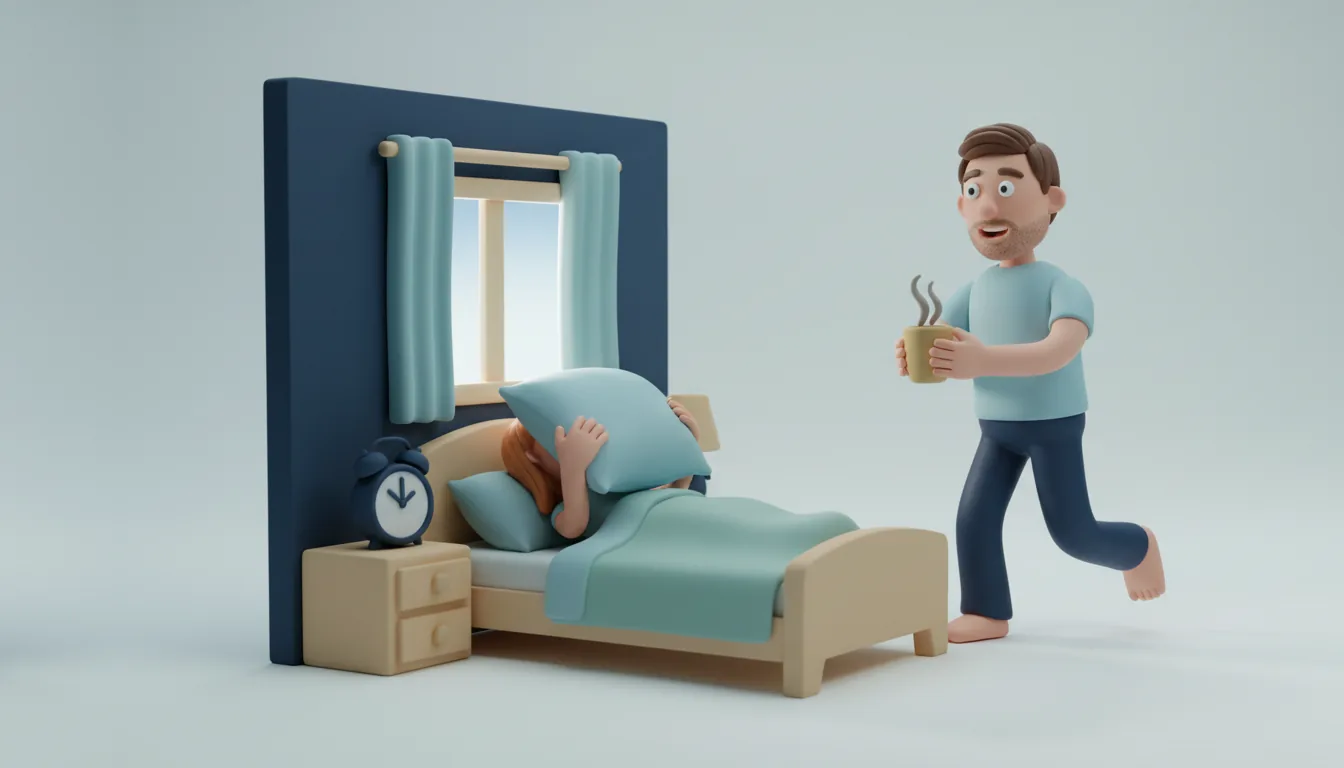
An example: every morning he makes her coffee and puts it by the bed at a quarter past six. She drinks it cold an hour later, because she is a slow riser and would much rather he let her sleep. Every evening she asks him about his day in detail. He would rather sit quietly for twenty minutes first. Both of them are trying hard to be a good partner. Both are giving what they would want for themselves.
What does it mean to be a good partner?
A good partner makes the other person's life better and easier to live, and stays a whole person in their own right. They are kind on ordinary days, honest about what matters and there when it counts. They do their share of the work at home. They want their partner to grow, even when that changes things.
Being a good partner is a skill. Nobody starts out knowing how to be a good partner to this one person. You learn it by watching what lands and what does not, and by asking.
What makes a good partner?
Ask people which traits they want in a partner, and the lists often look alike.
- Kindness, also when they are tired or angry.
- Reliability. They do what they say they will do.
- Honesty about the things that matter.
- Respect for your time, your friends and your choices.
- Humor, including the ability to laugh at themselves.
- Effort that lasts past the first year.
- Fairness about money, chores and decisions.
Many people can name these. Living them every day is harder, and each personality finds some of them easier than others. A person who loves order finds reliability easy. A person who reads moods well finds it easy to be kind at the right moment. Each of you is a good partner in your own way, and each of you has a part that takes work.
Qualities of a good partner
The list above is what people ask for. When you are dating someone and thinking about the long run, the harder part is seeing these qualities early. They show in small, unplanned moments more than on a great date. If you can check only one, check consistency: the same person in private as in public, and the same in month twelve as in month one.
Qualities to look for in a partner
- Calm under stress. A bad day does not turn into your bad evening.
- A fair way to fight. The argument stays on the problem and leaves your character out of it.
- Warmth toward people who can do nothing for them, like a tired waiter or a lost tourist.
- Joy in your good news. When something goes well for you, they are glad, with no hint of rivalry.
- Generosity in small things. They share the last slice, give you credit in front of friends and offer a lift before you ask.
- Values that match yours on the big things, such as children, money, where to live and time with family.
Qualities of a good partner in marriage
A marriage or a long partnership needs a few more. One is patience with habits that will never change, like the cupboard doors that are always left open. Another is a steady hand with money, so bills get paid and shared plans happen. The last is the will to keep choosing each other as both of you change over the years. If you're a husband, how to be a better husband explains why the same effort lands differently with each wife.
If you are wondering whether someone could be your life partner, watch how these qualities hold up through a full year of ordinary weeks.
How to be a better partner in a relationship
Small habits matter more than big gestures. These are the ones that often make the most difference.
- Ask what they need, especially after a hard day. "Do you want advice, or should I just listen?" saves a lot of trouble.
- Notice what they do for you, and thank them for it out loud.
- Keep small promises, like calling when you are late.
- Say sorry plainly when you get it wrong, without a "but" at the end.
- Keep some time just for the two of you, even if it is one evening a week.
- Back them up in front of others, and raise a disagreement in private.
- Take an interest in what they love, even if it is not your thing.
- Give them room for their own friends, hobbies and time alone.
To be a great partner, add one more thing. Learn how this person works. The list above is the same for everyone, and what each point looks like is different for each partner. The early coffee in the example above was a kind act, and it was not what she needed.
Things to know about your partner
A good partner stays curious. These are things worth knowing about your partner, and many couples never ask.
- What helps them calm down after a bad day, such as talking, quiet, a walk or food.
- How they like to be shown love, which may differ from how they show it.
- What tires them, even when they enjoy it.
- What they find hard, and where they would welcome help.
- What they need when they are ill or worried.
- What their family did on birthdays, holidays and Sundays.
- What they are proud of, and what they still worry about.
- How they want to handle money.
The answers change over the years. Check in again whenever life shifts, such as a new home, a new job or a child. How to make your partner feel loved goes deeper into how each person likes to be shown love.
Why is it easy to be a good partner to one person and hard to another?
Socionics, the source of Typeza's ideas, sorts people into 16 personality types. Each type gives some things without effort, like warmth, order, new ideas or a clear plan, and finds others hard. Put two of them together and you get one of 16 relationship types. Your type decides what you give easily. The relationship type decides whether that gift lands where your partner needs it. Here are four patterns couples often see.
When your easy strengths are what they need
A Diplomat is quick, lively and good at getting things done today. Her partner the Strategist thinks ahead, sees risks early and forgets to eat when he is deep in a problem. She gets him out of the house, makes sure he eats and handles the people he finds tiring. He sees where her plans could go wrong and warns her before she jumps. Neither of them feels this as work. This couple is in Duality, the most natural fit for partners. Here being a good partner mostly means doing what you would do anyway, and saying thank you for what you get back.
When the best gift is a break
An Inspector and a Dreamer lift each other up. He brings calm and order into her life, and she brings a feel for moods and for where things are going. A weekend away leaves both of them glowing. A rainy week at home together leaves both short-tempered over small things. Their type is Activation: it lights both of them up and tires them out when there is no break. Here a good partner plans time apart on purpose, like an evening with friends or a hobby of their own, and does not take the other's need for it personally.
When it is easy, and the direction has to be added
A Mentor and a Guardian relax together like few couples do. Their evenings are quiet, and each pitches in on the other's practical jobs. When they talk about the future, though, about where to live, what to save for and what matters most, they seem to talk past each other. This is Mirage, restful and hard to build anything on. Here a good partner brings up the big questions on purpose and listens closely to the answer, even when it sounds strange.
When your best side lands on their weak spot
A Commander admires how her partner the Encourager sees what people could become. He admires how she makes decisions and gets results. Up close, her speed can make him feel pushed and slow, and his ten new options can make her feel stuck. In Super-ego, as here, each partner looks up to the other from afar and trips the other up at close range. Here a good partner praises the other's strength out loud and asks for their help in it, instead of showing off their own.
None of this says who you should be with. Couples in harder relationship types can be very happy together. The type shows where being a good partner comes free and where it takes thought. Every pair has a type, so a compatibility test works just as well with a close friend or a grown sibling.
How to build a good relationship with your partner
A good relationship is built by both people. These habits help couples of any type.
- Talk about small things every day, so the big things are easier to raise.
- Keep a ritual of your own, like a Sunday walk or one dinner out each month.
- Repair after a fight. Come back to it when you are both calm and say what you will do differently.
- Share the dull jobs fairly, and say which ones you mind most.
- Keep one shared plan, like a trip, a home or a project, so you are moving somewhere together.
- Learn how the two of you fit, so you stop taking the hard parts personally.
Communication styles in relationships covers how to raise a hard topic without a fight, and what couples argue about covers the arguments that keep coming back. If the two of you build things as a team, read about the power couple.
How to see what comes easily between you
No one can see from the outside which of these patterns a couple is living in. Open the free couples compatibility test, and when you finish, it gives you a link for your partner. Once your partner has done it too, you see your relationship type, the gifts each of you brings without effort and where being a good partner needs more thought.
Questions people ask
How can I be a better partner?
Ask what your partner needs instead of guessing, keep small promises, say sorry plainly and make time for the two of you. Then learn how this person works, because the same act can feel like love to one partner and like pressure to another.
What are the most important traits in a partner?
Many people name kindness, honesty, reliability, respect and a sense of humor. Fit matters too. A trait that feels like a gift to one person can be tiring for another, depending on the two personalities.
How do I make my partner happy?
Find out what makes them feel cared for, and do more of it. For some people that is time and talk, for others it is practical help, quiet or a plan. If you are not sure, ask them directly.
Written by Virko Kask, founder of Typeza
Written with the help of AI tools.
One question for two, every week
A question to ask your partner, friend or family, and how different types tend to answer it.
Free. Unsubscribe any time.