
Living apart together: what it means and why couples choose it
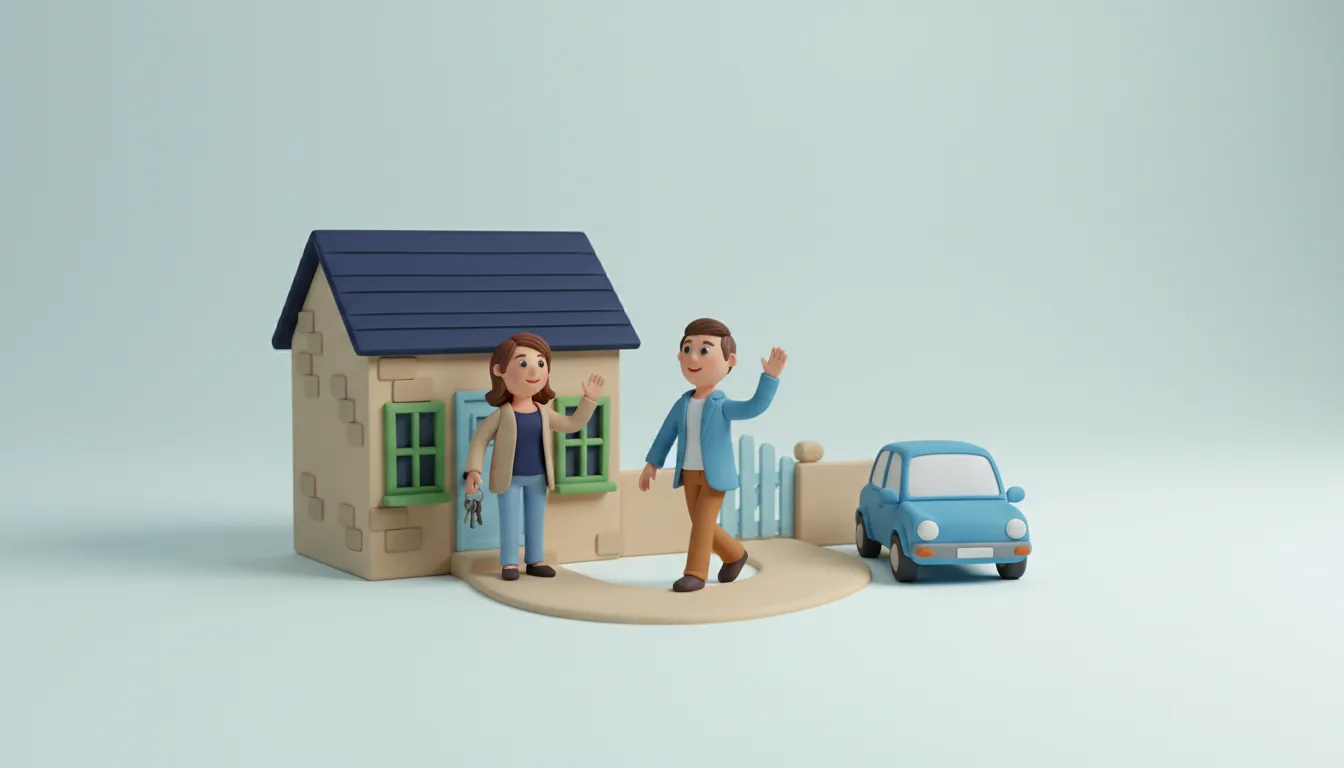
Living apart together means being in a committed relationship while each partner keeps their own home. In every other way they are a couple: faithful, planning a future and seeing each other often. Couples choose it for many reasons, and it can work in a marriage too. Some pairs also need more distance than others to stay close, and the relationship type explains part of that.
An example: one couple has been together for eleven years and has never shared a home. She lives in a flat near the station, and he has a small house ten minutes away. They eat together most evenings, spend weekends at one place or the other and go on holiday every summer. Their friends keep asking when they will move in. Both of them say the same thing: probably never, and they are very happy.
What does living apart together mean?
Living apart together, sometimes shortened to LAT, describes a couple who are together and live in separate homes. People also say "living together apart".
The term also covers couples who live apart because they have to. This article is about the ones who choose it. A couple who live apart for a job in another country are in a long distance relationship, the kind long distance date ideas are made for. A couple who live apart because they are separating are on the way out. A living apart together couple could share a home and decide not to.
Living apart together relationships come in many forms:
- Two flats in the same building or on the same street.
- Two homes in the same town, ten or twenty minutes apart.
- One partner stays over most nights, and the other keeps a place of their own.
- A married couple who moved into separate homes after years together.
Why do couples choose to live apart together?
Every couple has its own reasons. Common ones include:
- Children from earlier relationships. Each partner keeps a stable home for their own children.
- A home they love. One or both have a house or flat they do not want to give up.
- Earlier divorces. People who lost a home once may want to keep their own.
- Different daily rhythms. One gets up at five, the other works until midnight.
- Room to be alone. Some people need quiet time at home to feel like themselves.
- Caring for a parent. One partner lives near or with an older parent.
- Keeping the spark. Seeing each other by choice can keep the relationship fresh.
Surveys find that couples who live apart are, on average, younger than married or cohabiting couples, partly because many have not moved in together yet. For older couples who have lived with someone before, two homes is often a lasting choice.
Living apart together in marriage
Married couples living apart together are less common, and they raise more questions from family and friends. "Are you getting divorced?" is often the first one.
For many of these couples, the answer is no. Some married young, shared a home for twenty years and found they get on better with a door between them. Others married later in life and never planned to combine two households. A marriage with two addresses can last for decades, as long as both partners want it.
Does living apart together work?
It works for some couples and not for others. Here is what tends to make it easier and harder.
What helps:
- Each person keeps their own space and routines.
- Time together feels chosen rather than taken for granted.
- Fewer fights about chores and tidiness.
- Each keeps their own friendships and habits.
What makes it hard:
- Two homes cost more than one.
- Planning who stays where takes effort.
- Family and friends may not take the relationship seriously.
- If one partner wants to live together and the other does not, the gap can hurt.
The last point is the one to watch. Living apart together works best when both partners want it. When only one does, it often feels like a door that stays closed.
Can you go from living together to living apart?
Yes, and some couples do it to save their relationship. If you fight about daily life more than about each other, two homes can take away the daily friction. Some couples say the move made them glad to see each other again.
It helps to agree on why you are doing it, how often you will see each other and what happens to shared money. Without that, a move apart can feel like a breakup to one of you. Moving in together covers the opposite step and what usually changes under one roof.
Why do some couples need more distance than others?
Typeza names one of 16 relationship types for every couple, using socionics, and each type has its own comfortable distance. Some pairs get better the closer they live. Others are at their best with some space. A couple in two homes is not always a couple in trouble. The four couples below are examples.
When too much time together drains you both
A Harmonizer and an Analyst lift each other up. She brings warmth and good food into his quiet, bookish life. He brings clear thinking to her worries. Every evening together leaves them both in a good mood. After two years in one flat, though, they were snapping at each other by Sunday night most weeks. Now they live ten minutes apart and see each other four evenings a week. This is Activation, which gives energy in doses and wears people out when they are together too much. Two homes can suit these couples very well.
When one of you wants more room than the other
A Strategist and a Counselor have been together for six years. She would move in tomorrow. He loves her and needs his own quiet place to think. In this pair he is the Orderer, who gets care he never asked for and wants more room. She is the Supplier, who wants to give and to be closer. Two homes give him the room he needs, and she can feel shut out. The gap comes with the pair and says nothing about how much he loves her. It helps when he asks her over often, and when she keeps a life of her own on the evenings apart.
When you admire each other most from across the street
A Dreamer and a Craftsman fell for each other at a pottery class. She loved his skill with his hands, and he loved her sense of beauty and her calm. When they moved in together, his practical fixes started to feel like criticism to her, and her dreamy pace started to feel like chaos to him. Typeza's name for this is Super-ego. From a distance the two admire each other, and up close they get on each other's nerves. Since they moved back into separate homes, their dates feel good again.
When a couple would do fine under one roof
An Inspector and an Entrepreneur met after their divorces and kept two homes for their teenage children. Every evening together is relaxing. They rarely argue about daily things and are glad to help each other with repairs and paperwork. When the children left, they tried living together, and daily life was easy. The harder talks were about the future, and two homes had never helped with those. Their relationship type, Mirage, gives real rest in daily life and makes big talks about values harder. Couples like this often do not need the distance at all.
Couples in Duality tend to grow closer the more of daily life they share, so they rarely choose two homes for the sake of the relationship.
How to make living apart together work
- Agree on why. Say out loud why you are choosing two homes, so neither of you reads it as doubt.
- Set a rhythm. Decide which nights you spend together and keep them.
- Talk about money. Agree on who pays for shared trips, meals and the second set of things you both need.
- Plan holidays and family events. Decide where you go together and where you go alone.
- Check in every year. What suited you at 40 may not suit you at 60.
How to see how much closeness you two need
Eleven years and two front doors work for the couple at the start. It would not suit every couple, and the relationship type explains part of the difference. Since it never shows from outside, the way to find it is the free couples compatibility test, with the link on your result going to your partner. After they answer as well, you both see your relationship type. Its description, free to read, helps you judge how much closeness suits the two of you.
Questions people ask
Can married couples live apart?
Yes. Some married couples live in separate homes because of children, work or simply because they get on better that way. It works best when both partners want it.
Is living apart together healthy for a relationship?
It can be. Some couples feel closer with two homes. It becomes a problem when one partner wants to live together and the other does not.
Does living apart together lead to breaking up?
Not by itself. Some couples stay together for decades in two homes. A move apart that nobody explains can feel like the start of a breakup, so it helps to agree on the reasons first.
Sources
- Wikipedia, "Living apart together". The definition, the term "living together apart", and survey findings on the age of couples who live apart.
Written by Virko Kask, founder of Typeza
Written with the help of AI tools.
One question for two, every week
A question to ask your partner, friend or family, and how different types tend to answer it.
Free. Unsubscribe any time.