
What is self respect, and what does it look like day to day?
Self respect is the way you treat yourself when nobody is checking. It shows when you keep the promises you make to yourself, say no when you mean no and expect decent treatment from the people around you. Much of it happens quietly, in small choices on ordinary days.
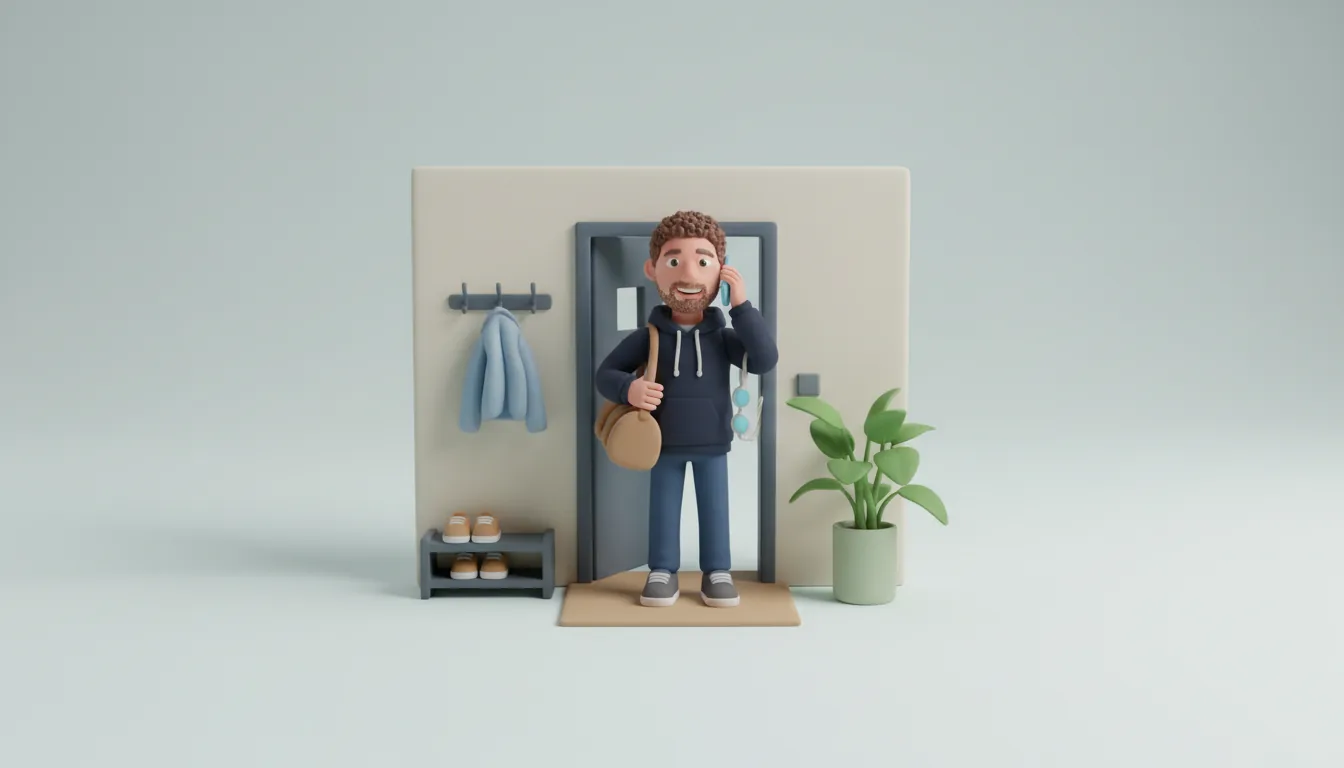
An example: in January, Theo signed up for swimming lessons for adults on Saturday mornings. He had wanted to swim properly for years. By March he had missed six of the ten classes, each time for someone else: a friend's last-minute brunch, his cousin's flat tire, a favor for his girlfriend's brother. One Saturday he was at the front door with his bag on his shoulder and his goggles hanging from his arm when his friend Nate called. "Skip the pool, come to brunch, everyone's here." Theo heard himself say, "Can't today, I've got my lesson. Save me a seat next week." Nate said, "Fair enough," and that was the whole conversation. Theo swam twenty lengths that morning and felt a little taller all weekend.
Self respect in plain words
Dictionaries spell it self-respect and define it as proper regard for your own dignity. In daily life it looks less like a feeling and more like a set of habits. A person with self respect:
- does what they said they would do, including the things they promised only themselves;
- says yes because they want to, and says no without a long list of excuses;
- stops chasing people who never call back;
- talks about themselves without putting themselves down for a laugh;
- leaves a conversation that turns cruel, calmly and without a scene.
None of this needs a confident manner. Some of the steadiest people you know are quiet and shy. They just don't bend on the things that matter to them.
Self respect vs self-esteem
People often mix the two up. Self-esteem is how you feel about yourself, for example whether you think you're good enough. It goes up and down with a compliment, a bad haircut or a hard week. Self respect is how you act toward yourself, and it can hold steady while your self-esteem dips. You can feel awful about yourself on a Monday and still keep your word, turn down a bad deal and go to bed at a decent hour. Over time, those acts tend to lift the feeling too.
What it looks like on an ordinary day
Much of self respect is small and nearly invisible. A few everyday examples:
- You go to the class you paid for, even when the couch looks better.
- You tell a friend "I'd rather not talk about my weight" and change the subject.
- You don't reply at midnight to someone who only writes when they're bored.
- You let a person be annoyed with you when you've done nothing wrong.
- You say "I made a mistake" without turning it into a speech about how hopeless you are.
- You take a lunch break, wear clothes you like and sleep when you're tired.
Each one is a small vote for yourself. The people around you may never notice them, and they still add up.
With friends: you stop doing all the reaching out
Every friendship has someone who calls first more often, and that's normal. It turns into a self respect question when you're always the one who texts, plans and travels, and the other person only shows up when it suits them.
You can respect yourself here and still keep the friendship. Stop chasing: send one warm message, then wait. If nothing comes back for weeks, give that energy to the friends who answer. People who care about you usually notice the quiet, and the ones who don't have told you something useful.
With family: love and a limit can live together
Family is often where self respect is hardest, because old roles run deep. The sibling who was always the helper may still be expected to host every holiday at forty. A parent may still comment on your partner, your hair or the way you spend money.
You can love your family and still decide what you'll do. "I can't host this year, but I'll bring dessert" respects everyone, including you. So does letting a remark pass without a debate and then changing the subject. If saying no out loud is the hard part, how to be more assertive has lines you can practice.
With a partner: you ask for what you need
In a relationship, self respect means you keep your own friends, interests and opinions, and you say what you need instead of hoping your partner will guess it. It also means you treat your partner's needs as real. Respecting yourself and respecting them grow from the same habit.
A few small examples. You keep your Thursday evening with your sister even when your partner wishes you'd stay in. You say "That joke in front of your friends stung" the next morning, calmly. You hold on to your opinion when they frown at it. Partners who respect each other usually find all of this easy to hear.
Signs your self respect could use some care
- You apologize for things that aren't your fault.
- You agree to plans, then resent them all week.
- You keep breaking the promises you make to yourself.
- You laugh along with jokes about you that you don't find funny.
- You check your phone for hours waiting on one person's reply.
- You change your opinion to match whoever you're with.
If several fit, you're in good company. Many people slip in a few of these places, and every one of them can change with practice.
How to respect yourself, one habit at a time
You can't decide to have self respect overnight. You build it the way Theo did, one kept promise at a time.
- Make one small promise to yourself and keep it. A walk, a class, an early night. Small ones count most.
- Pause before yes. "Let me check and tell you tonight" gives you time to decide whether you really want to.
- Say no once a week. Keep it short and kind.
- Listen to how you talk about yourself. If you wouldn't say it about a friend, stop saying it about you.
- Spend more time with people who treat you well. The company you keep teaches you a lot about your own worth.
- Forgive yourself quickly. Missing one promise is normal. Keep the next one.
Caring less about every passing opinion helps too, and how to not care what people think sorts out whose opinion still deserves weight.
Why people give it away in different places
Nobody has perfect self respect everywhere. Each personality type tends to hold firm in some places and give ground in others. Seven types make good examples. The list follows the types page:
- Harmonizer: stands firm on comfort and good taste, and gives ground when a conflict looms. Peace at any price can cost them their own plans.
- Mentor: fights hard for people they believe in. Their weak spot is needing approval, which can keep them chasing someone who has stopped answering.
- Inspector: keeps their word almost always, to others and to themselves. The risk is being harder on their own mistakes than on anyone else's.
- Commander: rarely lets anyone push them around. Their lesson is that pride and self respect differ, and owning a mistake belongs to the second.
- Guardian: knows clearly who has earned their trust and walks away from people who haven't. Self respect tends to come easily to them.
- Organizer: shows respect for others through hard work and can forget to give themselves the same, taking on one job too many and never resting.
- Counselor: feels other people's needs so strongly that their own slip to the bottom of the list. Saying no is their hardest and most useful practice.
The same habits help every type. What changes is the place where you need them most.
Find out where saying no is hardest for you
Theo still swims every Saturday, and Nate now books brunch for eleven. People give away their self respect in different places, some with friends, some with family and some with a partner, and type is part of the reason. The free personality test shows the strong sides and weak spots of your type. Send your partner or a close friend the link from your result. After they answer, your relationship type shows where the two of you get along without effort and where you bump heads.
Questions people ask
What is self respect?
Self respect means treating yourself as someone whose word, time and feelings count. It shows in keeping promises to yourself, saying no when you mean it and expecting decent treatment from others.
What is the difference between self respect and self-esteem?
Self-esteem is how you feel about yourself, and it changes from day to day. Self respect is how you act toward yourself, and it can stay steady on days when you don't feel great.
How do I respect myself more?
Start small. Keep one promise to yourself each week, pause before saying yes, and stop talking about yourself in a way you never would about a friend.
What are examples of self respect?
Keeping your word, leaving a conversation that turns cruel, not chasing someone who never answers, resting when you need it and saying "I made a mistake" without beating yourself up.
Is self respect selfish?
No. A person with self respect gives their time because they want to, and people tend to trust the yes of someone who also knows how to say no.
Sources
- Dictionary.com, "self-respect": "proper esteem or regard for the dignity of one's character", first recorded 1605-15.
Written by Virko Kask, founder of Typeza
Written with the help of AI tools.
One question for two, every week
A question to ask your partner, friend or family, and how different types tend to answer it.
Free. Unsubscribe any time.