
How to be more assertive with friends, family and your partner
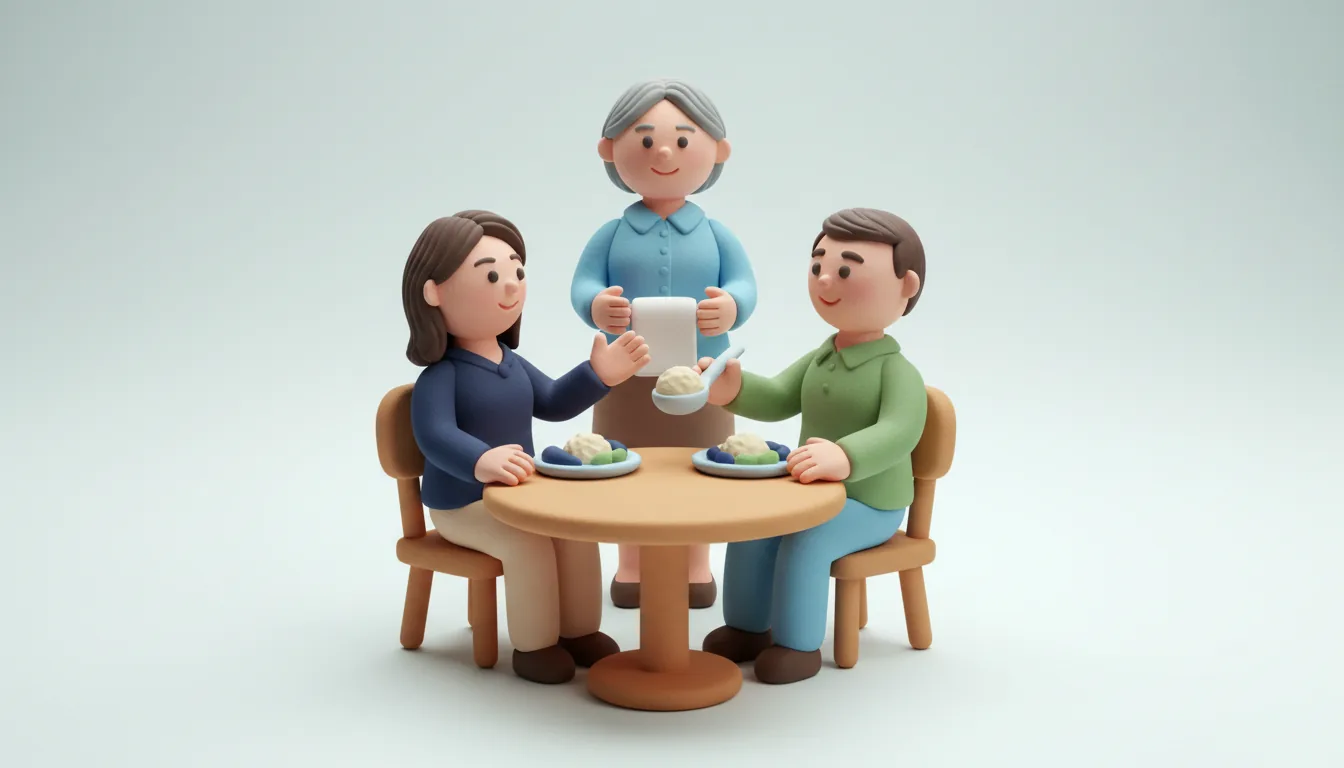
Being assertive means saying what you think, want or don't want, clearly and calmly, while still treating the other person with respect. It sits between two easier habits: going along with everything, and pushing people around. With the people we love it is often hardest, because there is more to lose. Luckily it's a skill, and many people get better with practice.
An example: Sam's oldest friend Leo borrows his drill, then his camping tent. Neither comes back. Each time Sam mentions it, Leo says "oh right, I'll drop it off," and each time Sam says "no worries, whenever." Months later Leo asks to borrow Sam's car for a weekend. Sam says yes, then adds with a laugh that isn't really a laugh, "Sure, as long as it comes back faster than the tent." Leo goes quiet. The car comes back clean, and the two of them are stiff with each other for a month.
What does assertive mean?
An assertive person can say "I'd rather not," "That bothered me" or "I'd like to choose the film tonight" without a long apology first and without a sharp edge. They state their side and leave room for yours.
Some people are assertive by nature, and for them it's simply part of their personality. Others learned early that keeping quiet kept the peace. That second group just has more to practice. For them, speaking up is a small act of courage, and how to be brave has more on building it step by step.
A few assertive sentences, to get a feel for it:
- "I can't help with the move on Saturday, but I can bring dinner on Sunday."
- "I need the tent back before my trip on the 12th."
- "When you check your phone while I'm talking, I feel like I'm boring you."
Assertive vs aggressive: the same moment, three answers
Say your sister is forty minutes late to dinner for the third time this month.
A passive answer sounds like "Oh, don't worry about it, I wasn't hungry anyway." You smile, and inside you are fuming. You'll probably bring it all up in a few years, at once.
An aggressive answer sounds like "You're always late. You only ever think about yourself." It might feel good for ten seconds. Then she gets defensive and the real issue is lost.
An assertive answer sounds like "I was looking forward to this, and waiting forty minutes was hard. Next time, can you text me if you're running late?" It names what happened and asks for one clear change.
That third answer shows how to be assertive without being aggressive. Talk about what the person did instead of who they are, say how it affected you, and ask for something specific.
Signs you could stand up for yourself more
- You say yes and regret it the moment you hang up.
- You rehearse conversations in the shower that never happen.
- Friends pick the restaurant, the film and the holiday, every time.
- You apologize before asking for anything.
- Your irritation comes out sideways, in sighs and jokes with an edge.
Why it's harder with people you love
With a stranger, the worst outcome of speaking up is an awkward moment. With a friend, a parent or a partner, it feels like the whole relationship is on the line. Old family roles get in the way too, and one sibling often ends up as the squeaky wheel while another keeps the peace. If you were the easygoing child, saying no to your mother at forty can feel like breaking an unwritten rule.
Often those fears are bigger than what actually happens. People who love you usually want to know what you need, and many would rather hear "that hurt" now than find out three years later. The same fear keeps a lot of people from asking for help, even when a friend would gladly say yes.
How to be more assertive, step by step
- Know what you want first. Before the conversation, finish the sentence "What I'd like is..." If you can't, you're not ready yet.
- Start small. Choose the film, or say which takeaway you want. Small choices are good practice.
- Use "I" sentences. "I felt left out" lands softer than "You left me out," and it is harder to argue with.
- Keep it short. One or two sentences. Long explanations sound like apologies and invite debate.
- Say no without a pile of reasons. "I can't make it this time" is a full answer.
- Repeat calmly if needed. If someone pushes, say the same thing again in the same tone.
- Pick your moment. Avoid the middle of a fight, the doorway as someone leaves, and text for anything important.
- Listen to their side. Their reply may change your view, and that's fine.
- Let them be disappointed. A friend can be sad you're not coming and still be your friend.
Speaking up with friends, family and a partner
When the person is a friend
Friendships often run on unspoken deals about who calls, who pays and who travels. When one side starts to feel unfair, say so early and lightly. "I've noticed I'm usually the one who plans. Would you pick next time?" Many friends simply hadn't noticed.
When the person is a parent or sibling
Family members know exactly which buttons to press, often without meaning to. Decide in advance which topics you won't discuss, and have one calm line ready: "I'm not going to talk about my weight at dinner." With a partner's family the same tools apply, and boundaries with in-laws goes deeper into that.
When the person is your partner
Partners share a home, money and time, so small things come up daily. You don't need to raise every one. Choose the ones that keep coming back, and the idea of picking your battles helps with that. When something matters, say it soon, kindly and in private.
How to say no without feeling guilty
Plenty of people can say no and still lie awake afterward, sure they've let someone down. The guilt usually comes from caring how the other person feels, which is a good trait that just needs a limit. Personality type plays a part. Conflict drains a Harmonizer, so one no can weigh on them for days. An Entrepreneur tends to say no, mean it and move on before lunch.
If you're the kind who feels it, these help:
- Thank them, then decline. "Thanks for thinking of me, but I can't make it Saturday." More ready-made lines are in how to politely decline an invitation.
- Offer what you can give. "I can't host Christmas this year, but I'll bring dessert."
- Buy time. "Let me look at my week and tell you tomorrow" stops the automatic yes.
- Keep the reason short and true. A long excuse invites a debate, and one honest sentence is enough.
The guilt fades with practice. Many people take a kind no far better than you expect, and they trust your yes more afterward. Saying it early also stops one favor from growing, the way give an inch, take a mile describes.
How to stop being passive aggressive
Passive aggression is anger that comes out through the side door. Instead of saying "I'm upset," a person sighs loudly, goes silent, leaves the dishes, or makes a joke that stings. Sam's remark about the tent was a classic passive aggressive comment. Others you may recognize:
- "Fine." (It is not fine.)
- "No, it's great that you had time for golf."
- "I guess I'll just do it myself, then."
People often fall into this habit when they feel they aren't allowed to be openly annoyed, so the anger leaks out another way. To stop:
- Notice your tells. The sigh, the clipped "sure," the silence. Each one means you have something to say.
- Name the real thing. Ask yourself what you're actually upset about. It's rarely the dishes.
- Say it while it's small. "I'd like the tent back" in the first week is easy. Months later it comes out as a dig.
- Swap the jab for a request. Turn "Nice of you to finally call" into "I missed hearing from you. Can we talk more often?"
If someone else is passive aggressive with you, ask directly and kindly: "It sounds like something's bothering you. Do you want to talk about it?"
Why speaking up comes easier to some types
Typeza sees personality type as part of how someone handles disagreement. Eight of the 16 types:
- Vitalizer says what they feel right away. Speaking up is easy for them, and their practice is lowering the volume.
- Inspector is firm about fairness and rules, and speaks up for principles more easily than for their own wishes.
- Commander is direct and can come on too strong. Their practice is listening before pushing.
- Dreamer stalls when pushed and waits for the right moment to raise something.
- Strategist gives a warning once, calmly, and pulls back if it's waved off.
- Guardian speaks plainly about what is right or wrong between people, especially to protect someone close.
- Counselor is careful with words, because a sharp tone stays with them long after. They speak up most easily for what they believe is right.
- Craftsman says little, but a short "no" from them really means no.
Find out how your type speaks up
Type is often part of whether "no worries" slips out before you can stop it, and of how hard a plain no feels. Start with the free personality test. If speaking up is hardest with one person, invite them to the same test through your result. When they have answered, you each read your relationship type: what goes easily between you, where you tend to clash and how each side feels it.
Questions people ask
What is the difference between assertive and aggressive?
Assertive means stating your needs clearly while respecting the other person. Aggressive means pushing your view at their expense, often by blaming, shouting or talking over them.
Can you be assertive and kind at the same time?
Yes. A calm, specific request is often kinder than years of quiet resentment.
Written by Virko Kask, founder of Typeza
Written with the help of AI tools.
One question for two, every week
A question to ask your partner, friend or family, and how different types tend to answer it.
Free. Unsubscribe any time.