
Why asking for help is hard, and how to do it
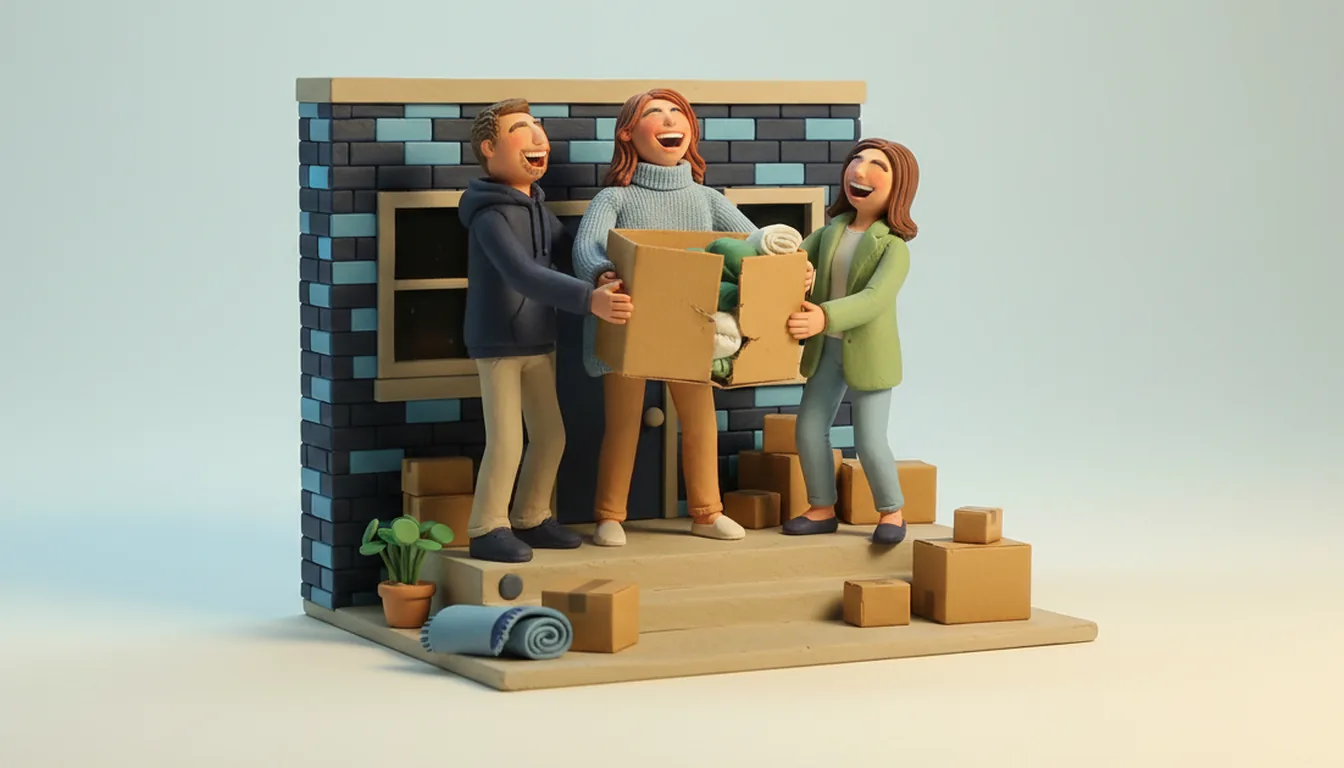
Asking for help is hard because it means admitting you can't do something alone and trusting the other person to say yes without holding it against you. For some people that's a small, easy step. For others it feels like a debt, or like letting someone down, even when the person asked is a close friend who wants to help.
An example: Jess has told everyone she has the move handled. She rents a van, buys four rolls of tape, and at nine on Saturday starts carrying her whole life down three flights of stairs by herself. By eleven her arms are shaking, and a box of sweaters starts to tear at the bottom on the front steps. She sits down next to it and stares at her phone for a long minute. Then she types to Omar and Bea: "Any chance you're free? I'll buy pizza." Bea answers in under a minute. "Finally. On our way." Both of them offered the week before, and Jess said no thanks.
What makes asking so hard
Many people who struggle to ask have one or two of these reasons running in the background.
- You don't want to be a burden. Everyone seems busy, and your problem feels too small to bother them with.
- Pride. You're the capable one, the one others lean on. Needing help doesn't fit the picture.
- You like doing things yourself. Managing alone feels good, and handing over part of a job feels like losing it.
- You're afraid of a no. A refusal from someone you love can sting for weeks, so it seems safer not to ask.
- You don't want to owe anyone. A favor feels like a bill that will come due later.
- You grew up with "we don't bother people." Some families quietly teach that asking is rude or weak.
None of these reasons is silly. They just cost more than they save. Jess spends two hours and one torn box finding that out. Asking is one kind of everyday courage, and how to be brave looks at a few others.
Who asks easily, and who would rather struggle
Some people ask for a ride, a hand or a spare charger without a second thought. Others will carry a couch up the stairs alone before they'll make a phone call. Typeza sees personality type as part of why. Ten of the 16 types, in two groups:
People who ask without much fuss
- Ideator: happily hands off the boring part of a task and doesn't think twice about it.
- Vitalizer: gives a lot and says out loud when they need some back. To them a favor is part of being close.
- Diplomat: makes friends fast and calls on them just as fast. Between loyal friends, a favor is normal.
- Encourager: happily asks for a hand with the practical steps, like the booking or the budget, and makes the job fun to do together.
People who would rather manage alone
- Harmonizer: often ends up hosting and cooking alone, and would rather not make things awkward by asking.
- Commander: would rather take charge and get things moving. Waiting for someone else's help wears on them.
- Strategist: needs time alone to think a problem through before saying a word about it.
- Organizer: is used to being the helper. Being on the other side feels strange.
- Counselor: is careful about who they let close and may carry a practical mess alone for days. An offer of hands-on help means a lot.
- Craftsman: trusts their own hands and would rather fix it themselves, even if it takes all day.
Jess sounds a lot like the Organizer. She has helped half her friends move and never once thought of asking them back.
How to ask for help in plain words
A good request is easy to say no to, and oddly enough, that makes people more likely to say yes.
- Ask early. "Could you help me Saturday?" on a Tuesday is easier for everyone than a panicked call at eleven.
- Say exactly what you need. What, when and for how long. "Could you help me carry boxes from ten to one?" is easy to answer.
- Give a real way out. "Totally fine if you can't" lets the other person answer honestly.
- Ask the right person. The friend with the car for the move, the patient one for the long talk.
- Skip the long apology. One "I know it's a big ask" is plenty. Five make the other person comfort you.
- Say what it changed. "You saved my whole weekend" means more than a plain thanks, and a thank you card lets them keep it.
If asking is hard because speaking up in general is hard for you, how to be more assertive covers saying what you need with the people closest to you.
What to say to a friend, family or partner
When it's a friend
Keep it light and specific. "Any chance you could pick me up from the garage on Thursday? I'll buy lunch." Friends often like being asked. It tells them they matter. Once they say yes, one small preference is fine to mention, and beggars can't be choosers looks at where that stops.
When it's a parent or sibling
Family help can come with old roles attached, like the parent who still sees you as twelve. Ask for the exact thing and leave out the backstory. "Dad, can you look at my leaking sink this weekend?" works better than a long lead-up that invites advice on your whole life. Once they've helped, you can still disagree, and don't bite the hand that feeds you shows where the line sits.
When it's your partner
Couples often slip into keeping score or trying to look fine. Say it plainly. "I'm worn out tonight. Could you handle dinner?" If what you need is company more than a fix, say that too: "I don't need advice. I just want you to sit with me." Some couples are so careful to split everything evenly that neither one asks. Independence in a relationship is about balancing time alone and time together, which includes leaning on each other.
When it's a neighbor
Neighbors are often glad to help with small things and rarely asked. Start small. "Could you take in my package on Friday?" can turn into the person who waters your plants for years.
When the answer is no
A no is often about their week, not about you. Say thanks anyway and mean it. "No problem, thanks for letting me know" keeps the door open for next time. Then ask someone else. One no is not a sign you should never ask again.
How to offer help so it gets accepted
People who hate asking also tend to hate accepting. A few changes make your offer easier to take.
- Offer something specific. "I'm going to the store. What can I bring you?" works far better than a vague "tell me if I can help."
- Make yes the easy answer. "I'll be there at ten with the car" is harder to turn down than a vague offer.
- Help with the task and leave the decisions to them. Carry the boxes. Let them say where the boxes go.
- Let them pay you back. If owing bothers them, accept the pizza.
- Offer again later. A no on Monday can be a yes by Friday.
Find out why asking for help is hard for you
Some people ask for help at the first sign of trouble, and others wait until things fall apart, and type is often part of it. The personality test is free and shows yours. To see how you fit with the friends you lean on, send them the link from your result so they can take the same test. As each friend finishes, the relationship type you share appears, with what goes smoothly between you and what takes a little effort.
Questions people ask
Is asking for help a sign of weakness?
No. Many people are glad to be asked, and it often brings friends and family closer. Doing everything alone is often harder on you and on them.
How do I ask a friend for help without feeling like a burden?
Keep the request small and specific, ask early, and offer something back, like lunch or a favor of your own. Remember how you feel when a friend asks you.
Written by Virko Kask, founder of Typeza
Written with the help of AI tools.
One question for two, every week
A question to ask your partner, friend or family, and how different types tend to answer it.
Free. Unsubscribe any time.