
How to be brave in everyday life, one small step at a time
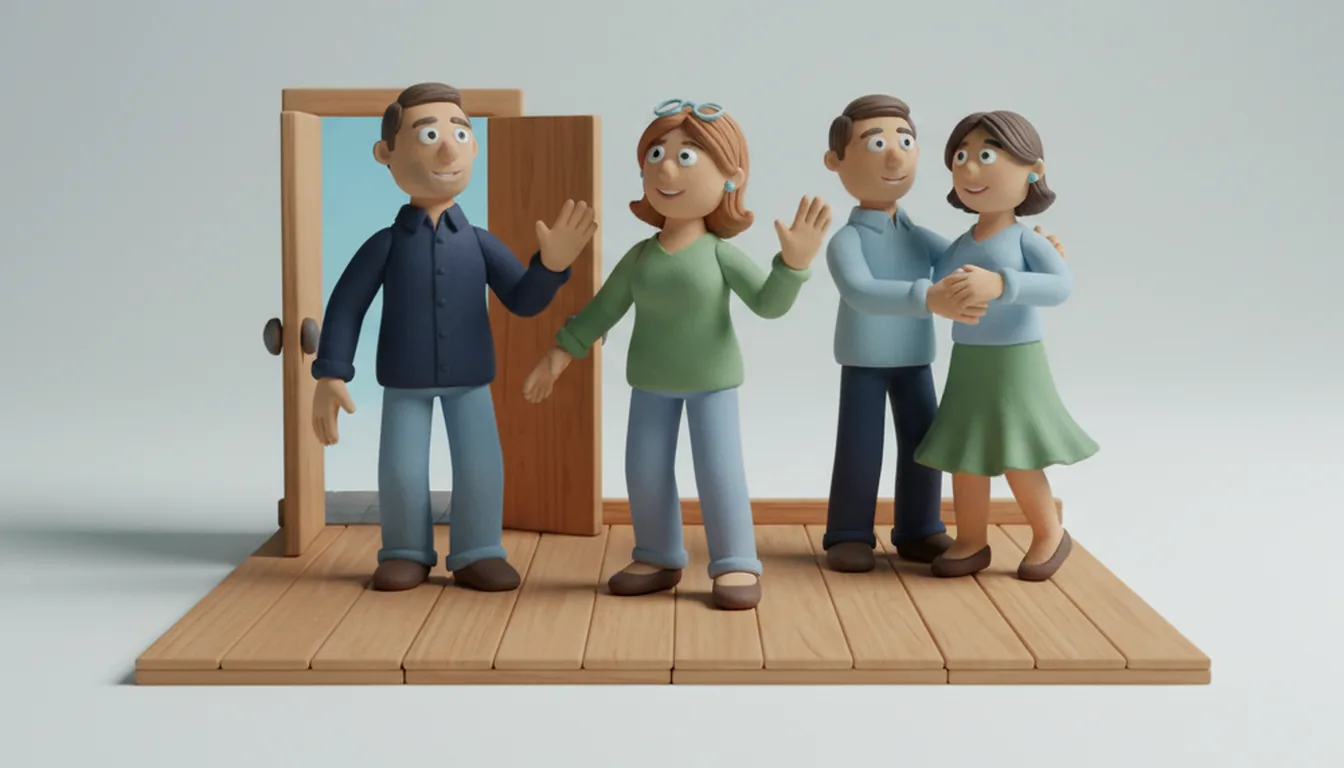
Being brave in everyday life means doing something that matters to you while part of you would rather not. It's saying what you think at the family table, walking into a room full of strangers or telling a friend something hard. It rarely looks heroic. Most of the time it looks like a slightly shaky voice and going ahead anyway.
An example: Leo stood outside the community hall for ten minutes on a Tuesday evening. He was 46, two years divorced, and he had signed up for a beginners' salsa class after his sister dared him at her birthday dinner. Through the door he could hear music and laughing. Twice he walked back toward his car. The third time, the teacher, a woman in her fifties with reading glasses pushed up on her head, opened the door to let in some air, saw him and waved him over. "You must be Leo. You're just in time to be terrible with the rest of us."
He was terrible, and so was everyone else. Nobody looked at his feet as much as he thought they would. For something that took ten minutes of pacing in a parking lot, the hard part was over in about four seconds.
What does it mean to be brave?
To be brave is to act even though something feels risky to you. The risk doesn't have to be danger. For most adults it is looking foolish, being turned down, upsetting someone they love or finding out they aren't good at something. A brave person still feels the nerves. They just don't let the nerves make the decision.
Bravery is also personal. Walking into a dance class is nothing for one person and a big step for another. Calling a friend to say you were hurt is easy for some people and almost impossible for others. That's why you can't measure someone's courage by how the task looks from outside.
Brave or courageous: what's the difference?
Most people use the two words for the same thing, and you can swap them in almost any sentence. When dictionaries do draw a line, "brave" is the broadest word for facing something frightening, and "courageous" suggests a deeper kind of bravery that comes from a person's character. Walking through the door of the salsa class was brave. Deciding, after a divorce, to build a new life with new people is closer to courageous.
Everyday examples of bravery
Speaking up at the family table
Families have old rules about who talks and who listens. Saying "I see it differently" to a parent, or asking an uncle to stop a certain kind of joke, can take more nerve than speaking to a room of strangers. The piece on being more assertive has words that help.
Trying something new as a grown-up
A class, a sport, a choir, a solo trip. Adults rarely get to be beginners, and being bad at something in front of others feels exposing. That is why signing up is a real act of courage, and showing up the second week is another.
Saying no to someone you love
Turning down a friend's favor or a parent's plan for the holidays can feel like risking the relationship. A kind, clear no is often braver than a reluctant yes, and it can leave the relationship in better shape.
Asking for help
Many people find it easier to help than to be helped. Saying "I can't manage this alone" takes courage, especially for someone who is always the strong one. There's more on that in why asking for help is hard.
The hard talk with a friend
Telling a friend that something they did hurt you, or that you're worried about them, risks an awkward evening or worse. Many friendships come out of that talk closer, but it takes nerve to start it.
What makes someone brave
Brave people aren't born without nerves. What they usually have is something they care about more than the discomfort: a friendship worth saving, a life they want, a value they won't give up. Some people are also simply used to discomfort, because they have practiced small brave acts so often that a bigger one doesn't feel so strange.
Courage is easy to confuse with confidence. A confident person may do something that costs them no effort at all, so it isn't really brave for them. The person who does it with a racing heart is the one showing courage. Confidence vs arrogance looks at what happens when self-assurance goes too far.
Why courage looks different in each type
What feels scary, and what comes easily, often follows personality type. Six of the 16 types make a good spread:
- Ideator: trying something new barely scares them at all. Their brave moment is sticking with it once the novelty is gone, or saying how they feel.
- Analyst: will defend an unpopular idea without blinking. What takes nerve is admitting a feeling out loud, or changing their mind in front of others.
- Commander: steps up in a crisis while others freeze. The braver act for them is often asking for help or showing that something hurt.
- Dreamer: sits with hard feelings that others avoid. Their courage shows when they act and decide, instead of waiting for the moment to feel right.
- Strategist: sees the risks clearly, sometimes too clearly. Moving from thinking to doing, before every doubt is answered, is where they need courage most.
- Counselor: is brave for others all the time, listening to pain most people avoid. Their hardest step is a direct conflict, like telling someone close that they crossed a line.
So when a friend finds something easy that you find terrifying, it doesn't make you less brave. It may mean your brave moment is somewhere else.
How to build courage, one small step at a time
- Name the step. "Be braver" is too vague. "Call my brother this week about Mom's birthday plans" is something you can do.
- Make it smaller. If the class feels too big, go watch one first. If the talk feels too big, start with one sentence.
- Pick a time and tell someone. Leo told his sister which Tuesday he would go. It's harder to back out when someone will ask.
- Expect the nerves. A shaky voice and a fast heart are normal. They tend to fade once you start.
- Count what you did, not how it went. Showing up is the win. Being good at salsa can come later.
- Go again soon. One brave act makes the next one a little easier, as long as the gap isn't too long. The second week, Leo walked straight in.
See which small steps take courage for you
Something that feels huge to one person is easy for another, and which steps take courage for you depends a lot on your type. The free personality test lists your type's strong points next to the things it finds hard. If a sibling or friend dared you to try something, pass them the same test through your result. When they have answered, you both read about your relationship type: its name, a line that sums it up and what it is like for each side.
Questions people ask
What is the difference between brave and courageous?
Most people use them as the same word. When a difference is made, brave is the general word, and courageous points to bravery that comes from a person's character.
How can I show courage in everyday life?
Speak up when something matters, try something new, say no when you mean no, ask for help and have the hard talk you've been avoiding.
How do you build courage?
Start with one small, specific step, set a time, tell someone, and repeat soon. Each small brave act makes the next one easier.
What makes someone brave?
Usually it's caring about something more than the discomfort, plus practice. People who take small risks often find bigger ones less frightening.
Sources
- Dictionary.com, "brave": the synonym study that treats brave as the broadest word and courageous as a deeper bravery that comes from a person's mind or spirit.
Written by Virko Kask, founder of Typeza
Written with the help of AI tools.
One question for two, every week
A question to ask your partner, friend or family, and how different types tend to answer it.
Free. Unsubscribe any time.