
What is unconditional love, and what does it look like day to day?
Unconditional love is love that doesn't have to be earned and doesn't disappear when the other person lets you down. You keep caring about someone when they make choices you wouldn't make, when they change, or when they have little to give back for a while. You can still disagree and say so, and you can keep your own limits. The caring itself stays.
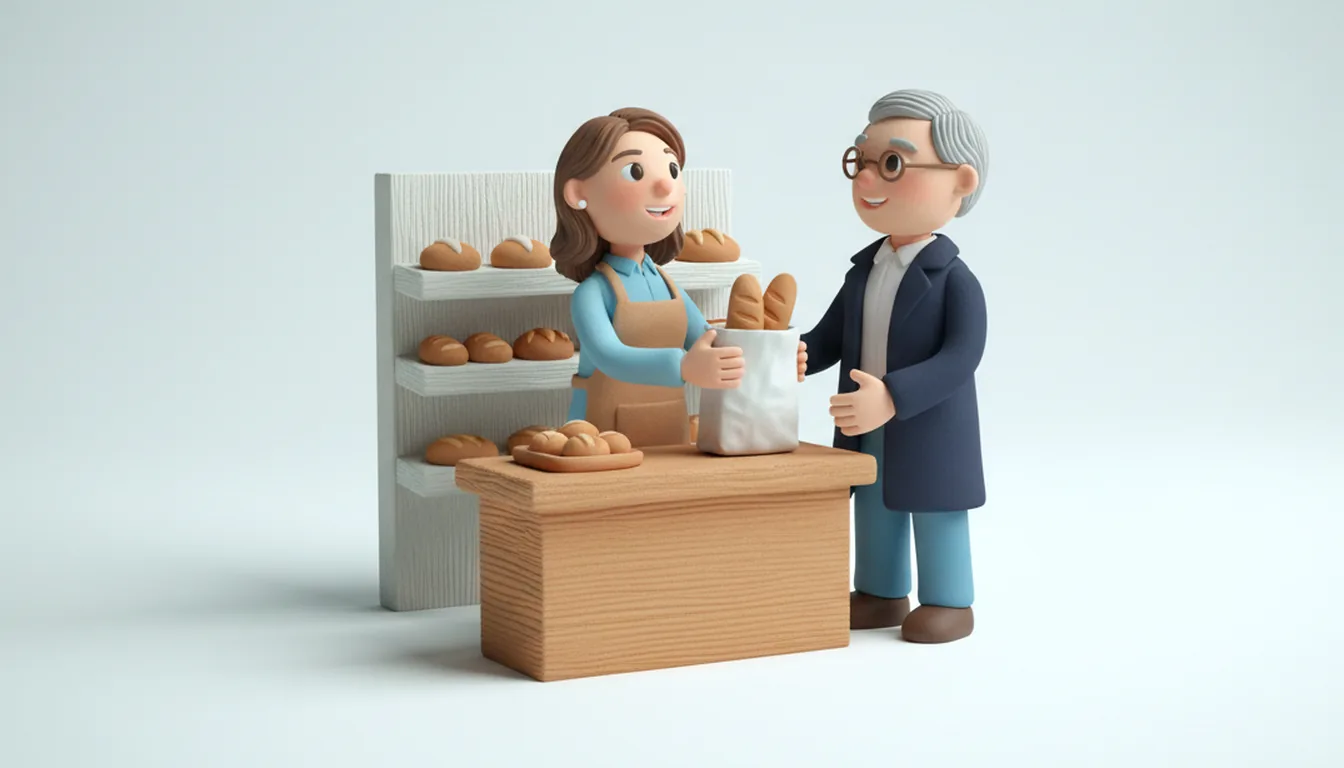
An example: when Bea left law school at 24 to bake bread, her father didn't hide what he thought. Walt had helped pay for two years of it, and he said so once, clearly, over a very quiet dinner. Then he did something Bea didn't expect. The Saturday her little bakery opened, he was the first person through the door. He bought a rye loaf. He has bought one every Saturday for nine years, driving forty minutes each way, and he tells strangers at the counter that his daughter makes the best bread in the state. He never said he had changed his mind about law school, and he never needed to.
What it means to love without conditions
In daily life it comes down to a few things. You want good things for the person whether or not they do anything for you. Their mistakes may change how you act, but they don't decide whether you love them. And you accept who they are, including the parts you would never have picked.
Walt didn't love Bea's choice. He loved Bea, and he found a way to show it that didn't require him to pretend. That is the heart of it.
Conditional and unconditional love, side by side
Conditional love says "I love you if" or "as long as you." A lot of everyday liking works this way, and that's normal. You like the neighbor because they're friendly. It becomes a problem when the love itself depends on grades, looks, money or doing what you're told.
The difference often shows in a single sentence:
- "I'm proud of you when you win" next to "I'm proud of you. How did the game feel?"
- "I'll be nice when you're nice to me" next to "I'm hurt, and I still want to sort this out."
- "Call me when you've got your life together" next to "Call me anytime."
Unconditional love still has feelings. It gets annoyed and hurt like any other love. What it doesn't do is pull the love away as a punishment.
Between partners
Between partners, unconditional love is what carries a couple through the year one of them is sick or out of work. It stays when bodies age and when people turn out a little different from who they were at 25.
A partnership also runs on agreements, though. Both people expect kindness and honesty, and that's healthy. Loving someone without conditions goes hand in hand with expecting respect in a relationship. The love is unconditional. How you treat each other still matters every day.
Between a parent and a grown child
This is where people most often expect to find it. A parent's love that doesn't depend on the job a child takes, the partner they choose, the city they move to or the beliefs they hold is one of the steadiest things a person can have.
It runs the other way too. As parents age, grown children often love them through forgetfulness and old opinions they won't let go of. Driving your mother to the eye doctor for the fourth time this month, and hearing the same story on the way, is unconditional love in a very plain form.
Between friends
Friendship is the relationship we choose most freely, so it can be the most conditional. Long friendships can get there anyway. It's the friend you haven't called in a year who picks up on the first ring. It's the friend who comes back after a falling out, and the one who is glad when you succeed even on a day they feel a little envious.
What unconditional love does not mean
Unconditional love never means putting up with being treated badly, and you can love someone while keeping your distance from how they act. It also doesn't mean agreeing with everything, never getting angry, being available at all hours or giving up what you need yourself. You can love your brother without conditions and still decide not to lend him money again.
Signs of unconditional love
- They don't keep score of who did more.
- A mistake doesn't change how welcome you are.
- They tell you hard truths, kindly.
- They're glad when you're happy, even when your happiness has nothing to do with them.
- They come back after a fight.
- You don't have to perform or impress to be loved.
Does unconditional love really exist?
Yes, in the everyday sense. Nobody loves perfectly. People get tired and say the wrong thing. Unconditional love is a direction you keep choosing even when the feeling wavers, the way Walt keeps choosing the drive every Saturday.
If you doubt it exists, ask someone whose parent or friend stayed close after their worst year. Many people know at least one example, even if they wouldn't use the word.
How unconditional love looks in different personalities
People who love without conditions still show it in their own ways, and personality type shapes part of that. Here are eight of the 16 types:
- Ideator: accepts the odd and unusual parts of you without blinking, and stays curious about who you're becoming.
- Vitalizer: shows up fast when you're down, with food and a plan to cheer you up.
- Commander: protects. When life knocks you over, they step in and handle it.
- Dreamer: sees who you could become and holds on to that picture on the days you lose sight of it.
- Diplomat: lives in the present, so yesterday's fight rarely follows you into today.
- Strategist: loves honestly. They point out the risk you're not seeing, then stay to help.
- Entrepreneur: helps you get back on your feet in practical ways, then trusts you to manage.
- Craftsman: a steady presence without drama. They fix the leak and sit with you without needing to talk.
Two people can love each other without conditions and still show it in ways the other barely notices. The classic kinds of love are laid out in types of love.
How to love someone unconditionally
- Separate the person from the choice. "I don't like this decision. I love you." Both can be true in the same breath.
- Say the hard thing once. Then stop repeating it. Walt said his piece at one dinner.
- Keep a small ritual. A weekly call, a Saturday loaf, a text on hard days.
- Love who they are now. People change, and the person in front of you is not the one from ten years ago.
- Keep your own limits. Love without conditions lasts longer when you aren't running on empty.
If you're not yet sure the feeling is love, start with how to tell if you love someone. And if your question is whether a partner is right for the long run, read how to know if he's the one.
See how you and the people you love show it
Bea says "love you" at the end of every call. Walt has never said it, and he has never missed a Saturday. Type explains part of a difference like that. Your own type comes first, and the free compatibility test names it from your answers. Send the link from your result to a parent, a grown child or a partner. When they have answered, your relationship type explains what passes easily between you and where you keep missing each other.
Questions people ask
What does it mean to love someone unconditionally?
It means you keep caring about them whatever they do or achieve. You may disagree with their choices and say so, but the love itself isn't a reward they have to earn.
Is unconditional love real?
Yes, in everyday life. No one loves perfectly, but many parents and old friends keep choosing each other through mistakes and hard years.
What does "I love you unconditionally" mean?
It means "my love for you doesn't depend on what you do." It's a promise that the person will stay loved even when they disappoint you.
Can you love someone unconditionally and still set limits?
Yes. Limits are about what you will and won't do. You can love someone completely and still say no or keep some distance.
What is the difference between conditional and unconditional love?
Conditional love depends on something, like good behavior or success. Unconditional love stays even when those things are missing.
Written by Virko Kask, founder of Typeza
Written with the help of AI tools.
One question for two, every week
A question to ask your partner, friend or family, and how different types tend to answer it.
Free. Unsubscribe any time.