
High maintenance: what it means in a friend or a partner
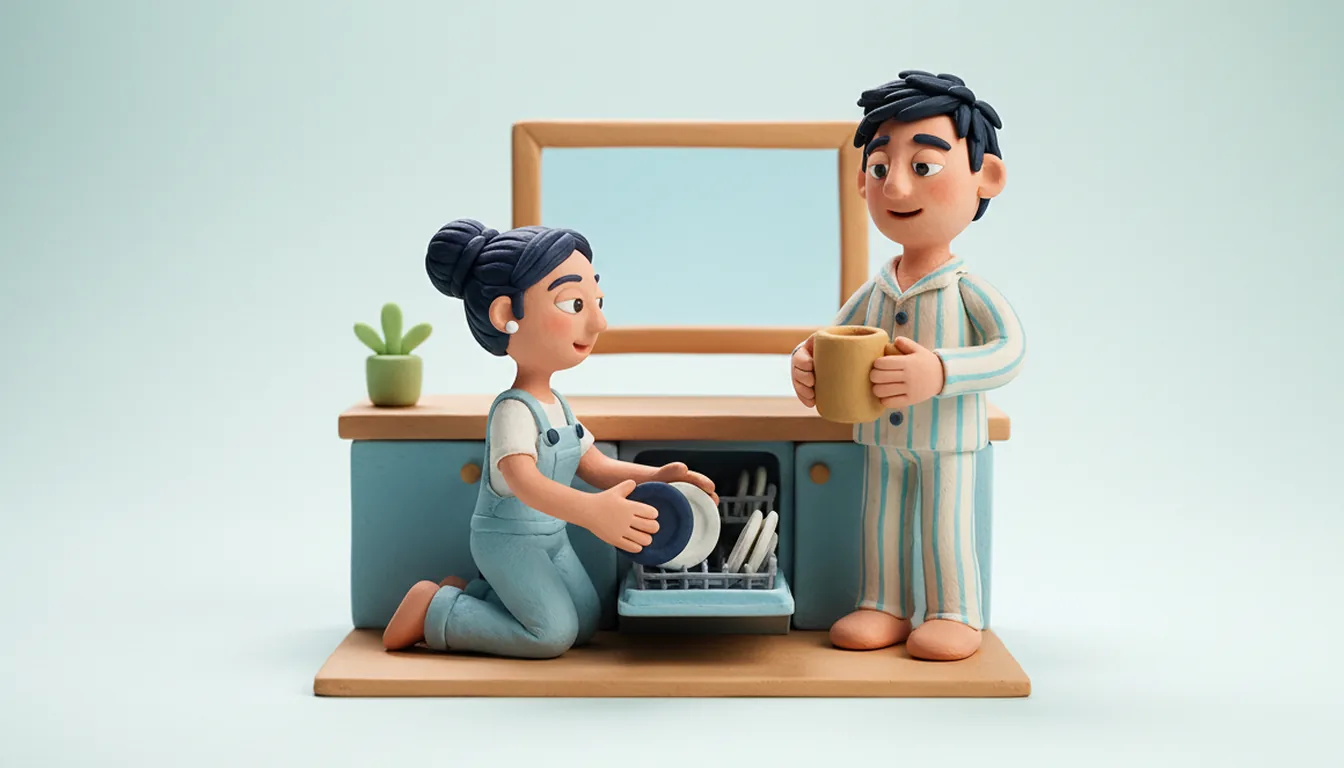
High maintenance means needing a lot of attention, care, effort or particular conditions to feel comfortable and happy. A high-maintenance person has needs that are frequent and clear, and the people around them notice the work involved. The phrase is usually said with a sigh, sometimes with real affection, and quite often unfairly. Much of what gets called high maintenance is a real need said out loud. The easygoing people in our lives usually have needs too, just quieter ones.
An example: when Arlo moved in with Ingrid, his friends joked that he was in for it. Ingrid was, in their words, high maintenance. She wanted a call when he would be late, not a text. She had firm views on how the dishwasher should be loaded. Every evening she asked about his day and expected a proper answer. Six months later Ingrid wrote a list of her own, half as a joke. Arlo needed a whole Sunday with no plans, no talking before his first coffee, and he sulked for a day if anyone booked a dinner without asking him. "So which of us is high maintenance?" she asked. They both laughed, because the honest answer was both. Arlo had just as many needs. Hers were simply easier to see.
High maintenance meaning, in plain words
The phrase started with machines that need frequent repair. Used about people, it dates from the 1980s and is often linked to the 1989 film When Harry Met Sally. It describes someone who needs more than average to stay content. Sometimes that is reassurance. Sometimes it is a plan made weeks ahead, or an hour of your evening.
The needs come in several kinds:
- Attention. Regular check-ins, compliments, a long talk after dinner.
- Comfort. Being particular about food, noise, temperature or how the home looks.
- Predictability. Plans made early and then kept.
- Appearance. Real time and money spent on looking a certain way.
- Feelings. Wanting to talk a disagreement through at once, or needing help to calm down.
The opposite is low maintenance: flexible, happy with whatever is on offer, rarely asking for anything. That is usually meant as praise, which says a lot about how we rate the needs we can't see.
What high maintenance looks like day to day
These are the everyday signs people usually point to:
- They want to know the plan days ahead, and a late change throws them.
- They send a dish back, ask for another table or bring their own pillow on a trip.
- They expect quick replies and wonder what is wrong when the phone stays quiet.
- They need help with things others handle alone, like booking or deciding.
- They want to talk about the relationship as well as be in it.
- They take a long time to get ready and won't leave the house until they feel right.
Read the list again and you may find yourself in at least one line. The label sticks when someone's needs are frequent and easy to see, and when they keep landing on the same person. Several lines on that list come down to waiting, and patience is a virtue looks at why some people handle a wait more calmly than others.
The need behind the label
Many high-maintenance habits hide a simple need. Once you see it, the habit feels different.
- "Call me if you'll be late" often means I worry until I know you are safe.
- "Can we book it now?" often means a plan falling apart ruins my week.
- "It's freezing in here" often means my body notices more than yours does.
- "Tell me about your day, properly" often means for me, closeness is made of words.
- "I need forty minutes to get ready" often means I want to feel sure of myself before I see people.
None of these needs is unreasonable. A relationship starts to feel high maintenance when the needs are never named, so the other person has to keep guessing and keeps getting it slightly wrong.
High maintenance vs low maintenance friends
Low-maintenance friends are easy to love. They don't mind when you cancel, they will eat anywhere, and they never ask for a birthday party. The risk is that their needs go unseen until they quietly drift off.
A high-maintenance friend takes more work and is often more honest about it. You always know where you stand and what would make them happy. Many people find that their closest circle has at least one of each, and that the easy friend sometimes needed more than anyone noticed.
When a friend's needs feel like too much, sort them into two piles. Some cost you real time and energy. Others only grate because they are different from yours, and that second pile tends to shrink once you know the reason behind each one.
Living with a high-maintenance partner
Couples who have been together a while usually know each other's upkeep by heart. A few habits stop it from turning into resentment:
- Name the needs out loud. "I need a quick text when you leave work" is much easier to meet than a bad mood that shows up at seven.
- Trade without keeping score. Ingrid gets her phone call and Arlo gets his quiet Sunday. Each gives a little and gets something back.
- Separate the need from the method. The need may be reassurance. A short voice note might cover it as well as a call does.
- Say when it's too much. A need can be real and still be more than one person can carry. Friends, family and simple routines can take part of the load.
When most of the need is about closeness and time together, clingy in a relationship looks at where wanting more turns into asking too much.
Am I high maintenance?
People who type this question are often worried that they are. A few honest questions to ask yourself:
- Are my needs the same few every week, and do I state them clearly?
- Do I meet other people's needs as readily as I ask for my own?
- Do I say what I want, or expect people to guess and then sulk when they miss?
- Does one person carry most of my upkeep?
If your needs are steady, you say them plainly and you give back as much as you ask, then "high maintenance" simply describes how you work. Some people say "I am high maintenance" with a grin, and fair enough. Once you know their rules, they are easy to please.
Which needs come with which type
What counts as high maintenance depends on who is looking, and personality type shapes both the needs and the patience for them. Here are six types, kept in the types page order:
- Harmonizer: comfort matters a great deal: the right chair, a warm room, good food. They also make everyone else comfortable, which is easy to overlook.
- Vitalizer: needs feelings shared and effort noticed. Left unthanked, they wilt.
- Mentor: needs big talks and big plans, and a partner who feels things with them.
- Inspector: needs plans kept and agreements followed. A change at the last minute can spoil their evening.
- Diplomat: needs things to happen. A dull week can feel like being ignored.
- Craftsman: looks low maintenance and mostly is. What they do need is room to work alone and to do things their own way.
Two people of different types can find each other high maintenance at the same time, the way Arlo and Ingrid did. Usually both are right, and both can be met halfway.
See which needs you two bring
Arlo and Ingrid now joke about their maintenance schedule: one phone call, one quiet Sunday and a dishwasher system they both pretend to agree on. If you share a home or a long friendship with someone whose needs puzzle you, knowing your types makes the list easier to read. Start with the free couples compatibility test, which you answer alone. It is 41 picks between pairs of statements, and your type is ready as soon as the last one is in, no account required. Then send your partner or friend an invite from the result page. You need a free account for that step. When they are done, you both see your relationship type: the parts that come easily between you, and the parts that need upkeep.
Questions people ask
What does high maintenance mean?
It describes someone who needs a lot of attention, care or particular conditions to be happy, so the people around them put in more effort than usual.
What is a high-maintenance person like?
They have clear, frequent needs, such as quick replies, kept plans, particular food or long talks. Many are also generous, and easy to please once you know what they need.
Is being high maintenance a bad thing?
Not on its own. It turns into a problem when the needs are never named, keep changing or all land on one person.
What does high maintenance mean in a relationship?
It means one partner needs more reassurance, planning or attention than the other. In most couples both partners have needs, and one set is just more visible.
What is the opposite of high maintenance?
Low maintenance: easygoing, flexible and content with little. Low-maintenance people still have needs, usually quieter ones.
Sources
- Dictionary.com, "high-maintenance": the machine sense first recorded 1915-20, the sense about people 1980-85.
- Wiktionary, "high-maintenance": the sense "requiring a lot of attention or reassurance", linked to When Harry Met Sally (1989).
Written by Virko Kask, founder of Typeza
Written with the help of AI tools.
One question for two, every week
A question to ask your partner, friend or family, and how different types tend to answer it.
Free. Unsubscribe any time.