
Indecisive: why some people find decisions so hard
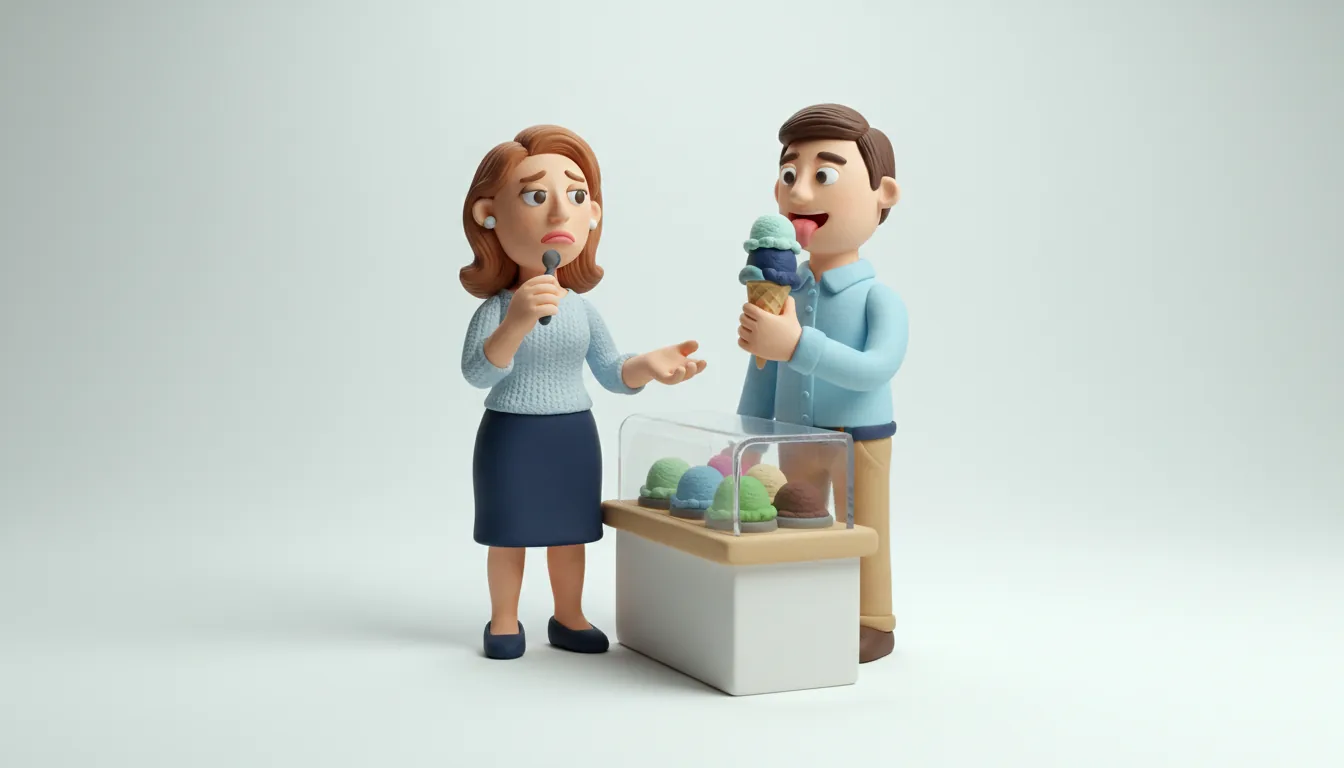
Being indecisive means finding it hard to make a choice and stay with it. An indecisive person weighs the options for a long time, asks other people what they would do, puts the decision off, or changes their mind soon after deciding. For some people it is a daily habit, and it often has more to do with how a person likes to make up their mind than with weakness.
An example: Priya has tried five flavors on five little wooden spoons, and the young man behind the ice cream counter has started to smile in a fixed way. Her friend Dev ordered pistachio and dark chocolate before the door had closed behind them, and his cone is already half gone. "Just pick one," he says. "It's ice cream. You can come back tomorrow." Priya knows this. She also knows that at home a paint chart has been taped to the hallway wall for three weeks, with four shades of almost the same white. In the end she orders vanilla, the same as last time, and wonders all the way home whether the salted caramel would have been better. Part of the gap between Priya and Dev is personality type.
What does indecisive mean?
The word is built from "in," meaning not, and "decisive." Someone decisive makes choices quickly and with confidence. Someone indecisive struggles to. The noun is indecision, or indecisiveness when you mean the habit itself.
It helps to separate two cases. Being undecided means you haven't made up your mind about one thing yet, like where to spend the holidays this year. Being indecisive describes how you tend to handle choices in general, big and small.
Undecisive or indecisive? Indecisive is the standard spelling. Undecisive is a rare form of the same word, so indecisive is the safer choice in writing. Other words for indecisive include hesitant, wavering and of two minds, and more casually wishy-washy or on the fence. The opposite word is decisive.
Signs you are indecisive
Are you indecisive, or just careful? You probably lean indecisive if several of these sound like you:
- You are the last one at the table to order, and you often ask the waiter what is good.
- You read reviews for half an hour before buying something that costs less than lunch.
- "I don't mind, you choose" comes out of your mouth, and then you do mind.
- You ask three friends for their opinion and end up more confused than before.
- After a choice, you keep checking the option you didn't take.
- When someone else makes the call for you, the main thing you feel is relief.
When most of them fit, deciding is costing you real time and energy, and it's worth looking at why.
Why am I so indecisive?
The question usually has an ordinary answer, and often more than one.
- You want all the information first. Some people can't choose until they feel they know enough, and online there is always one more review to read.
- Every yes is also a no. Choosing the blue sofa means losing the green one for good, and some people feel that loss more sharply than the gain.
- You are afraid of regret. If you pick wrong, it was your fault. If you never pick, nobody can blame you, which feels safer even when it isn't.
- You want everyone to be happy. When a choice affects friends or a partner, you look for the option that suits all of them, and often there isn't one.
- You aren't sure what you want. If you haven't worked out what matters to you, every option looks equally good and equally bad. Getting to know yourself better, the slow work described in what is self-awareness, makes many choices easier.
- It is the end of a long day. After hours of small choices, even dinner can feel like too much.
How each type makes up its mind
Personality type shapes how people decide. Two base traits in your result touch on it directly: how you make a hard choice, by logic or by what matters to people, and how far ahead you like to plan. Here are eight of the sixteen types, in the sequence the types page follows:
- Ideator: sees six more options in every choice and enjoys keeping all of them open. Picking one feels like the boring part.
- Harmonizer: chooses by how it will feel, for themselves and for everyone around them. Slow when a choice might upset someone.
- Analyst: wants the reasoning to be complete. Will compare twelve kettles in a spreadsheet, then buy the winner without a second thought.
- Commander: decides fast and fixes it later. Often the Dev of the group, and impatient with long debates.
- Dreamer: knows by feel, and waits for the moment when the answer seems to arrive on its own. Pushing them only slows it down.
- Strategist: weighs what could go wrong months from now. Slow, but rarely surprised by how things turn out.
- Counselor: checks how each option sits with their values and with the people involved. Gets stuck when two values pull in opposite directions.
- Craftsman: would rather hold both options in their hands. Tries them out and picks what works.
No type is simply better at choosing. Quick deciders make more snap mistakes, and slow deciders miss more chances. Each style has a price, and knowing yours helps you pay less of it.
How to stop being indecisive
You don't need to become a different person. A few habits take most of the strain out:
- Sort choices by size. Ask whether you can undo it. You can undo most choices, like a meal, a paint color or a sweater with the receipt in the bag. Give those two minutes.
- Decide what matters before you look. Write down two or three things the right option must have, then look only for those.
- Cut the options to three. Drop the rest without guilt, even if one of them might have been fine.
- Set a deadline and a default. "If I haven't chosen by Friday, I'll take the cheaper one." Then keep your word.
- Flip a coin. You don't have to obey it. Notice whether you feel relief or disappointment when it lands, because that feeling is often your answer.
- Aim for good enough. The perfect option rarely exists, and hunting for it costs more than the difference.
- Close the door. Once you've chosen, stop reading reviews of the one you didn't buy.
Priya now has a rule at the ice cream shop: two tasting spoons, then order. It took her three visits to keep it.
When an indecisive person and a quick decider choose together
When a couple or two close friends are one of each, every dinner booking can turn into a small standoff. The quick one feels held up. The slow one feels rushed, and then blamed when the rushed choice goes wrong.
If you are the quick one, offer two options instead of ten and say which one you lean toward. Ask how much time they need for the big choices, and give it. Don't decide for them quietly and present it as done.
If you are the slow one, say what you need, like "give me until Sunday," instead of going silent. Let the quick one take the small everyday calls, and keep the big ones for the two of you.
One split to try: one narrows the list, the other picks from it. When you still disagree, the habits in how to compromise in a relationship keep it from turning into a contest.
Is being indecisive a bad thing?
Not always. Indecisive people can avoid rash buys, think about how a choice lands on others and spot problems a quick decider misses. That slow, careful judgment is close to what wisdom vs intelligence calls wisdom. Like many traits on a list of strengths and weaknesses, it has a useful side and a costly one. The cost shows up in missed chances, in friends tired of waiting and in the strain of carrying open choices around for weeks. If it only bothers the people around you, a little more patience on their side may be fair too. Why some people find that kind of waiting easy is the subject of patience is a virtue.
Find out how you decide
Whether you pick in a second or weigh five options for a week is partly about your type. Quick deciders and slow ones both get a clear picture from the free personality test, with a page on the strengths and weak spots of your type. If you make choices together with a quick decider, send them the same test from your result. After they answer, your relationship type describes where you two run smoothly and where you rub.
Questions people ask
What does it mean to be indecisive?
It means finding it hard to make choices and stick with them. An indecisive person takes a long time to decide, asks others to help choose, or changes their mind soon after.
Is it undecisive or indecisive?
Indecisive is the standard word. Undecisive is a rare form of it and best avoided in writing.
What is the opposite of indecisive?
Decisive. A decisive person weighs the options quickly, chooses and moves on.
Is being indecisive a personality trait?
It is an everyday habit that ties in with personality. People who like to keep their options open, or who weigh how a choice affects others, tend to take longer to decide.
What is another word for indecisive?
Hesitant, wavering and of two minds. More casual words are wishy-washy and on the fence.
Sources
- Dictionary.com, "indecisive". The meaning, and in- plus decisive, first recorded in 1720 to 1730.
- Wiktionary, "undecisive". A rare form of indecisive.
- Thesaurus.com, "indecisive". The other words, from hesitant to on the fence.
Written by Virko Kask, founder of Typeza
Written with the help of AI tools.
One question for two, every week
A question to ask your partner, friend or family, and how different types tend to answer it.
Free. Unsubscribe any time.