
You can't have your cake and eat it too: meaning, and choices for two
You can't have your cake and eat it too means you can't keep something and use it up at the same time, so when two good things pull against each other, you have to pick one. The word order confuses many people, because having a cake and then eating it sounds like a normal afternoon, while the older form, "eat your cake and have it," shows the catch: once it is eaten, you don't have it anymore.
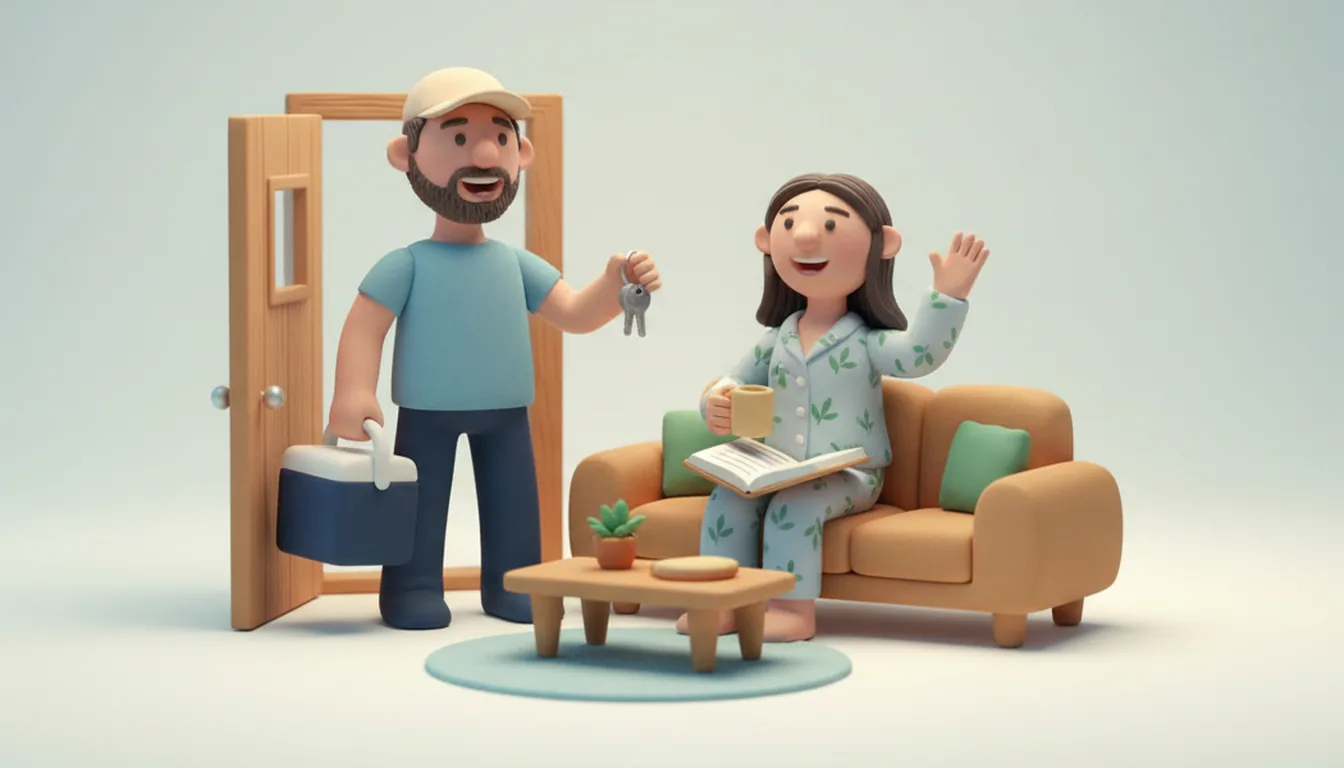
An example: Lena and Marco had one free Saturday in October. Marco's friends were driving out to the lake for a barbecue, and he had said yes weeks before. Lena had been looking forward to the opposite: pancakes at ten, a book on the sofa and no car keys all day. Marco came up with what felt like a clever fix. They would do the lake in the morning, leave by two and still have a slow afternoon at home. They left just as the grill got hot, sat in traffic for an hour and spent the slow afternoon too tired to open a book. Each of them got half a day they didn't really want.
Some choices really are either-or, and squeezing both into one day can leave you with a thin slice of each. Couples and friends meet these choices all the time, and they weigh them in very different ways.
What does have your cake and eat it too mean?
To have your cake and eat it too is to want two things that cancel each other out. People use it as a warning to themselves, "I can't have my cake and eat it too, so it's the lake or the sofa," or as a complaint about someone else: "He wants to have his cake and eat it too." The second one means a person wants the good part of a choice without giving anything up, like a friend who wants to be invited to every dinner and never hosts one.
You will also hear "want to eat the cake and have it too" and the hopeful "you can have your cake and eat it too." The cake can be anything good that you can spend only once: a free Saturday, a sum of money, the energy you have left on a Friday night.
How the saying got its odd word order
The saying is close to 500 years old in English. An early written version from the 1500s asks it as a question: would you both eat your cake and have your cake? For a long time the eating usually came first, and the logic was easy to see. In the 1930s and 1940s the order flipped to the one most people use today, and the joke got harder to spot.
Three choices couples keep running into
Closeness or room to breathe
Most people want to feel close to their partner and also want a life of their own: friends, a hobby, an evening alone with a podcast. Both are made of the same hours. If one partner hopes for every free evening together and the other wants two nights a week alone, no calendar gives each of them everything. A better question than "how much freedom do I get" is "which evenings matter most to each of us." Independence in a relationship goes deeper into that balance.
Saving or spending
Money is the classic cake. The same savings can go toward a house deposit or a trip to Portugal this summer, and they can't do both. Often one partner feels safe with a cushion in the bank and the other feels alive with a trip to look forward to. It helps to put numbers on both goals and say them out loud, because "you always spend" and "you never want any fun" give the two of you nothing to work with.
A quiet weekend or a full one
This was Lena and Marco's cake. A Saturday can be empty or full of people, and it can't be both. Couples who handle this well stop blending the two into one tired day and trade whole days instead: this Saturday belongs to the lake, the next one to pancakes.
When friends can't have it both ways
Friendships come with their own either-or moments. A close friend wants you to herself on Friday night, and the group chat wants you at the big dinner.
An example: Abby and Ruth found out on a weekend in Porto. Abby wanted to see everything, Ruth wanted the beach and a long lunch, and on day one they tried to do both. By evening they were snapping at each other over a tram map. On day two they split up until dinner, and that dinner was the best part of the trip. Friends can choose different cakes for an afternoon and still share the evening.
How different types weigh a choice
When a real either-or comes up, people reach for different scales. Some count the cost, some go with what feels alive today, and some ask first how the other person will feel. Six of the 16 types show the range:
- Ideator: refuses the choice at first and hunts for a third option. Sometimes they find a clever one, and sometimes it turns into the rushed lake day.
- Analyst: lists the pros and cons in their head and picks what makes the most sense. They can miss that a partner's reason was a feeling, which deserves a place on the list too.
- Inspector: goes with what was agreed first. If the lake was promised in September, the lake wins, and changing plans late feels wrong to them.
- Diplomat: picks whatever feels most alive right now and is happy to decide that morning. Locking in a plan weeks ahead can feel like missing a better offer.
- Entrepreneur: weighs what each option gives back for the time and money it costs. They decide fast and can rush a partner who needs a day to think.
- Counselor: asks first what the other person needs and often gives up their own side without saying so. They do better when someone asks them straight out which one they would pick.
None of these scales is the right one. Trouble starts when two people use different ones on the same choice and each thinks the other is being unreasonable.
Can you ever have your cake and eat it too?
Sometimes you can, because some choices only look like either-or. You can see friends on Friday and keep Saturday empty, or save a little every month and still take a small trip. Before treating something as a hard choice, ask whether the two options really draw on the same time, money or energy. If they don't, you may get both after all.
When they do, you have to choose. The piece on compromise in a relationship covers meeting halfway, but some cakes don't cut well, and half a lake day plus half a quiet afternoon can be worse than either one whole.
How to pick one and still enjoy it
- Say what each of you would lose. "I'd miss seeing everyone" and "I'd miss a day with no plans" turn the choice into two real things instead of a contest.
- Decide who chooses this time. Some couples take turns. Others let whoever cares more make the call.
- Put the other option on the calendar. If you pick the lake, write pancakes into next Saturday.
- Commit once it's picked. Spending the lake day wishing you were on the sofa spoils both.
- Let the small ones go. Not every choice needs a talk, and picking your battles helps you tell which ones do.
- Watch for a pattern. If the same person gives up their side every time, that deserves its own conversation.
Find out why you weigh choices differently
One partner sees a free Saturday as a gift and the other as a waste, and type is a big part of the reason. The free couples compatibility test gives you a short sketch of how your type tends to think and live. Your result also carries a link to send your partner, who takes the same test. Once you have both answered, you can see what your relationship type is called and how it tends to feel from each side.
Questions people ask
What does you can't have your cake and eat it too mean?
It means you can't keep something and use it up at once. When two options draw on the same time, money or energy, you have to choose one.
Why is it "have your cake and eat it too" and not the other way around?
The older form put eating first, "eat your cake and have it," which makes the logic clear. The order later flipped, and the modern version sounds like it describes something possible.
Can I have my cake and eat it too?
Sometimes. If the two things don't really use the same resource, you may get both. If they do, picking one on purpose usually works better than half of each.
Sources
- Wikipedia, "You can't have your cake and eat it": first recorded in a 1538 letter, asked as a question in John Heywood's book of proverbs in 1546, with "eat, then have" the more common order until the 1930s and 1940s.
Written by Virko Kask, founder of Typeza
Written with the help of AI tools.
One question for two, every week
A question to ask your partner, friend or family, and how different types tend to answer it.
Free. Unsubscribe any time.