
What does spontaneous mean? Living a little more in the moment
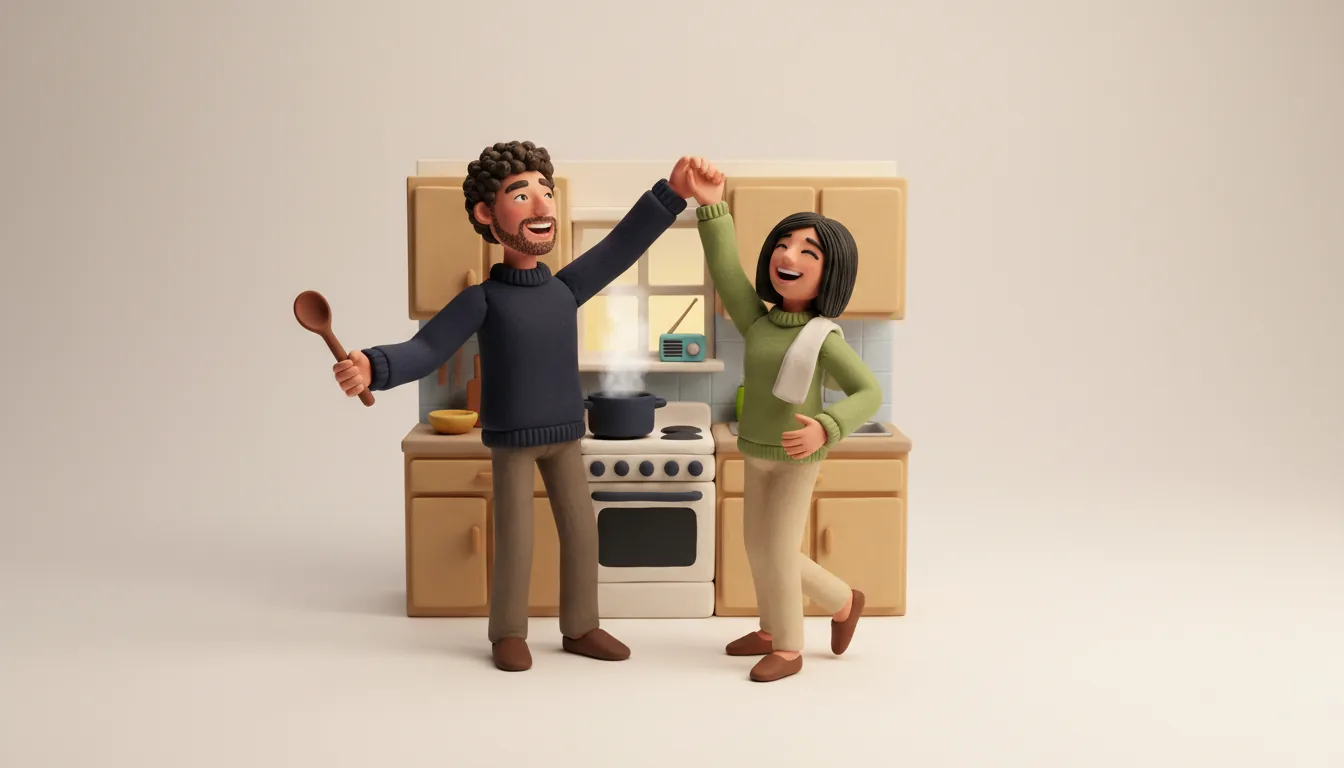
Spontaneous means done in the moment, because you feel like it, without a plan and without anyone pushing you. A laugh that bursts out before you can stop it is spontaneous, and so is a friend who calls at nine on a Saturday to say "beach?" and is at your door by ten.
The word comes from the Latin sponte, "of your own accord," and it's said spon-TAY-nee-us. The noun is spontaneity, or less often spontaneousness, and the adverb is spontaneously. Words close to it are unplanned, impromptu, off the cuff and on a whim, while the opposite is planned, deliberate or calculated.
Spontaneous or impulsive, and what impetuous adds
Both words describe acting without much planning, but they carry different weight. Spontaneous is usually warm. It suggests something natural and freely chosen, like a hug or an unplanned trip to the coast. Impulsive leans toward acting on an urge before you've thought it through, often with a small regret later, like booking a trip at midnight and wondering about it at breakfast.
Impetuous is stronger than either. It comes from the Latin impetus, a rush or an attack, and it describes someone who charges ahead with heat and force. Synonyms for impetuous include hasty, headlong, rash and hot-headed. An impetuous reply is fast and fiery, while a spontaneous one is fast and light. When the rush turns loud and careless, the word people reach for is often brash, which has its own mix of courage and noise.
Soup on the stove, a tune on the radio
An example: Mei, 36, plans her week on Sunday evening. Her partner Dario, 37, does not plan his week. He finds out what it holds as he goes.
One Wednesday they were making soup together. Mei was chopping and Dario was stirring when an old tune from their first summer came on the radio. Dario turned the heat down, took Mei's hand with the wooden spoon still in his other one, and danced her round the kitchen. She laughed so hard she forgot the tea towel on her shoulder. It lasted two minutes, and the soup was fine.
"That's the part of him I fell for," Mei says. It's also the part that made her sigh a week later, when Dario woke her at six on a Sunday to drive to the coast. She'd planned a slow morning and a call with her sister. They went the following Sunday instead, after she'd had a day to look forward to it, and both of them agree it was the better trip.
Dario is spontaneous without trying. Mei enjoys it most when she still has the chance to say no.
How spontaneous people tend to act
You can spot a spontaneous personality in small habits more than in big gestures:
- They say yes before they know the whole plan. "Where are we going?" can wait.
- They change course on the way. A new street, a side road, a stop nobody expected.
- They act on a feeling right away, whether it's a call, a compliment or a hug.
- They stay relaxed when plans fall apart, and sometimes like the new version better.
- They get restless with a full calendar. Too many fixed dates feel like a fence.
- They notice a chance and take it now, instead of next month when the moment has passed.
If someone asks you to describe yourself and you pick "spontaneous," these are the habits people will expect to see. The word sounds good on a first date or in a new friend group, so it's worth being honest about how much of it is true.
A spontaneous partner, a spontaneous friend
Living with a spontaneous partner brings a lot of small joys. They'll suggest a walk at dusk, a picnic on the living room floor, a weekend away decided on Thursday. The other side is that plans can shift, and the person who likes to know what's coming may feel they're always catching up. When people look for spontaneous date ideas, what they often want is the feeling of a yes said on the day, and a free evening with no fixed plan gives that better than any list.
A spontaneous friend is often the one who keeps a group alive. They're the one who says "come over, I'm making pasta" and means tonight. Spontaneity is one part of being a free spirit, which is a wider idea about living life on your own terms.
When the spur of the moment wears someone out
Spontaneity is lovely when everyone involved wanted it. It gets harder when one person's whim decides things for someone else. A surprise that brings four extra friends to a quiet anniversary dinner can feel presumptuous, because it assumes a yes nobody gave.
Changing plans all the time is a different thing again. When someone keeps cancelling on the day, the word is flaky, and the people around them stop counting on them. Plenty of spontaneous people are also reliable and keep every promise they make.
There's also the "you only live once" push, which can be a good nudge or an excuse. Our piece on YOLO looks at where that line sits.
Spontaneous in deeds, in ideas, or inside a plan
People aren't spontaneous in the same way, and personality type often shapes which way it shows. The Ideator tends to be spontaneous in ideas and talk, jumping to a new possibility halfway through a sentence. The Harmonizer often acts on small pleasures in the moment, like a detour for a better view or a stop at a bakery that smells good. The Commander usually sees a chance and moves on it at once, sometimes before anyone else has noticed it.
The Guardian is a planner type who likes the basics settled first. Once the frame is set, though, a Guardian can be playful and relaxed inside it, and friends are often surprised by how much fun they are on the trip they spent weeks preparing.
These are tendencies type theory describes, and a real person can sit anywhere among them. Treat them as a way to start a talk, never as advice about anyone.
How to be more spontaneous when you love a plan
You don't have to stop planning to be more spontaneous. Many friend groups have planners in them, and also people who'd sooner fly by the seat of their pants. Each side needs a bit of the other. A few small steps help a careful person loosen up:
- Leave one evening a week empty on purpose. Decide what to do with it on the day.
- Plan the frame and leave the details open. "Saturday, out of town, home by dinner" is enough.
- Say yes to one small thing you'd usually turn down, like a last-minute walk or a call.
- Give yourself a short window. If an idea still sounds good after ten minutes, go.
- Keep a few easy options ready, such as a park you haven't tried or a friend you've meant to see.
Planned spontaneity sounds like a joke, and for some careful people it's the only kind that feels safe. It still counts. Mei now keeps Sunday mornings open, and Dario has learned to ask on Saturday night.
Your type and the urge to just go
Typeza puts two people's types side by side, from the one who wants to leave right now to the one who'd like a day to think it over. You begin with the free personality test, which tells you your own type. After that, invite your partner or a friend and look at how each of you handles a sudden plan.
Questions people ask
What is a spontaneous person?
A spontaneous person acts in the moment and enjoys doing things without a fixed plan. They're quick to say yes, comfortable with surprises and often the one who suggests something new.
What is the opposite of spontaneous?
The usual opposites are planned, deliberate, calculated and premeditated. The opposite of spontaneity is caution or forethought, the habit of thinking things through before you act.
How do you spell spontaneity?
It's spelled s-p-o-n-t-a-n-e-i-t-y, with the "e" before the "i." People often write "spontaniety" or "spontanaity" by mistake. It's said spon-tuh-NEE-ih-tee or spon-tuh-NAY-ih-tee.
How do you use spontaneous in a sentence?
"Their trip to the lake was completely spontaneous, decided over breakfast." You can also use it for feelings: "The crowd broke into spontaneous applause."
Is being spontaneous a good thing?
Mostly, yes. It keeps life fresh and helps people enjoy what's in front of them. It only causes trouble when it decides things for others or turns into breaking promises.
What does impetuous mean?
Impetuous means acting fast and with force, without stopping to think. It's stronger than spontaneous and often a little critical, as in "an impetuous decision he regretted by the evening."
Sources
- Dictionary.com, "spontaneous". Meaning, pronunciation, the noun spontaneousness, and the origin in Latin sponte, "willingly."
- Dictionary.com, "spontaneity" and "impetuous". The two ways to say spontaneity, and impetuous from Latin impetus, "an attack."
Written by Virko Kask, founder of Typeza
Written with the help of AI tools.
One question for two, every week
A question to ask your partner, friend or family, and how different types tend to answer it.
Free. Unsubscribe any time.