
How to show appreciation to the people close to you
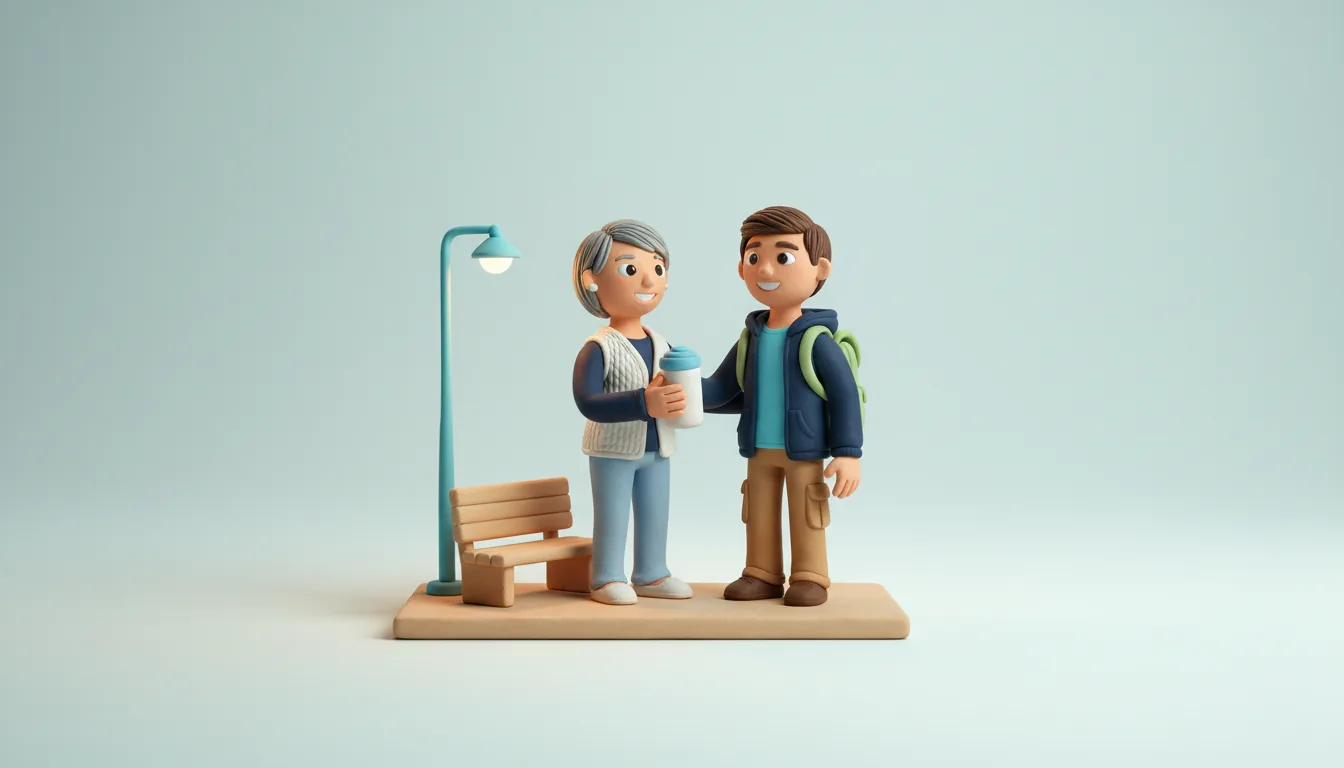
Showing appreciation means letting someone know that you notice what they do and who they are, and that it matters to you. It works best when it is specific, comes often and arrives in a form the other person takes in. With the people closest to us it is easy to stop saying it, because we assume they already know. Most of them would still like to hear it.
An example: Rosa has driven her son Daniel to the station at five in the morning more times than either of them can count. Last month, after one of those early runs, he sent her a short message from the train: "Thank you for the lift again. You always make the early starts feel less awful, and I noticed you brought me coffee in the good flask." Rosa read it three times, showed it to her sister and still hasn't deleted it. That same week her husband Marco spent an hour fixing her bike's flat tire and oiling the chain. He mentioned it to nobody, and it was days before she noticed. Both of them were saying the same thing. Only one of the messages got through.
Appreciation vs gratitude
The two words are close. Gratitude is the feeling of being thankful. Appreciation is noticing something good in a person and letting them see that you noticed. You can feel grateful in silence, but appreciation has to reach the other person.
There is a second small difference. Thanks are usually for a deed, like the lift, the meal or the help with a move. Appreciation can also be for who someone is: their patience, their humor, the way they always remember birthdays. People tend to remember that second kind longer. Plain warmth with no reason behind it, like a hug or a pet name, is closer to affection.
Why we forget to appreciate those closest to us
With a stranger who holds a door, saying thanks is automatic. With a partner who makes dinner every night, it slips. A few reasons:
- What's regular becomes invisible. The five hundredth dinner doesn't feel like a gift anymore, even though it still takes an hour.
- We assume they know. "Of course she knows I'm grateful" is a thought many people have and few say out loud.
- We save it for big days. Birthdays and anniversaries get cards, while the ordinary Tuesday gets nothing.
- We notice problems faster. A missed bin day gets a comment. Ten bin days done right get none.
Ways to show appreciation in words
Words work best when they are specific. "You're great" is nice. "You stayed calm when my dad started on politics, and it saved the dinner" is something a person will remember. Some ways to express appreciation in words:
- "I noticed you [did this]. It made my day easier."
- "I love how you [a habit or quality]."
- "I don't say it enough, but I'm lucky to have you as my friend."
- "Thanks for always being the one who [plans, calls, remembers]."
- "You were right about [something]. I should have listened."
You can say it in person, in a text from the train like Daniel did, or in a handwritten note left on the kitchen table. People tend to keep notes.
If you're wondering how to tell someone you appreciate them without it feeling awkward, keep it short and don't wait for a special moment. One sentence on an ordinary day often means more than a speech at a party. If it's your partner you want to praise, how to compliment your partner has lines to borrow.
Ways to show appreciation without saying a word
Some people feel thanks more through actions than through words. A few ways to show it:
- Take one job off their list without being asked.
- Remember a small detail, like how they take their tea or the name of their difficult coworker.
- Show up for the things that matter to them, like the recital, the race or the hospital appointment.
- Cook their favorite meal on a day that isn't special.
- Give them an evening off while you handle everything at home.
Small acts like these are what the orange peel theory trend was about. A little effort for someone, done without a fuss, says you have been paying attention.
How to show appreciation in a relationship
Long-term partners are often the people we appreciate most and thank least. A few habits help:
- Thank your partner for one specific thing every day, even the ordinary ones.
- Tell them what you admire about them as a person. "You're so good with my mother" goes deep.
- Say it in front of others now and then. Being praised to friends feels different from being praised in private.
- Notice the invisible work, like the planning, the remembering and the worrying.
Partners don't always feel appreciated in the same way, and what lands for one can pass the other by. For more on that gap, see how to make your partner feel loved. Husbands even have a day of their own in April, and Husband Appreciation Day has ideas sorted by what he values.
Showing appreciation to friends and family
Friends rarely get thanked for being friends. Tell a friend what they add to your life: "You're the person I text first when something good happens." Remember their big days, and turn up when it is hard. World Smile Day comes each autumn and gives you a handy excuse to say it out loud. When a friend gives you something, a simple thank you before any questions is appreciation too, which is the point of the gift horse saying.
With parents, appreciation often lands best as memory. "I've been thinking about how you drove me to every swim practice for six years" can mean a great deal to a parent of a grown child. With adult siblings, try appreciating the person they have become, rather than the role they played as kids. Grandparents usually love being asked about their own lives, and a few good questions to ask your grandparents make that easy.
How each type likes to be appreciated
People also differ in which kind of appreciation reaches them, and personality type plays a big part. Here are nine of the 16 types:
- Ideator feels appreciated when someone takes one of their ideas seriously and wants to hear more.
- Harmonizer loves care they can feel, like a cozy evening they didn't have to arrange or a warm meal.
- Vitalizer lights up at warm words said with feeling, especially in front of people they love.
- Analyst values a precise compliment about how they think. General praise tends to slide off.
- Inspector wants their reliability noticed, such as the bills paid on time and the plans that always work.
- Diplomat enjoys being admired and noticed, and a public compliment goes a long way.
- Strategist likes quiet trust, such as hearing "you were right about that" months later.
- Counselor feels seen when you show you understood what they meant to do, as well as what they did.
- Craftsman prefers practical thanks, like a good tool, help with a job or a meal made well.
So the same kind words that make one person glow can leave another unmoved. That's what happened with Rosa and Marco. He fixed her bike because that is how he says thank you, and she was waiting for a sentence.
Find out how appreciation lands between you
Spoken thanks mean everything to one person, while another notices a fixed bike or coffee in the good flask, and type explains much of that difference. Start with the free couples compatibility test. Your result then gives you a link for your partner, who takes the same test. Once your partner has answered, you can both read your relationship type, including the places thanks land easily, the places you miss each other and what the bond is like from each side.
Questions people ask
What is the best way to show appreciation?
Be specific, do it often and use the form the other person likes best. Some people want words, others want help, time or a small gesture.
How do you show appreciation to your partner?
Thank them every day for one specific thing, tell them what you admire about them, and notice the invisible work they do to keep your life running.
Can you show appreciation without spending money?
Yes. Most of the best ways are free: a specific thank you, a note, a job taken off their list, or your full attention for an evening.
Why does appreciation matter in close relationships?
People who feel appreciated tend to feel safer and closer, and they give more freely. Without it, even happy relationships can start to feel one-sided.
Written by Virko Kask, founder of Typeza
Written with the help of AI tools.
One question for two, every week
A question to ask your partner, friend or family, and how different types tend to answer it.
Free. Unsubscribe any time.