
How to show affection to the people you love
Showing affection means letting someone feel that you care about them. It can be words, small favors, time together, or touch like a hug or holding hands. There is no single right way to do it. What counts is that the other person notices, and different people notice different things.
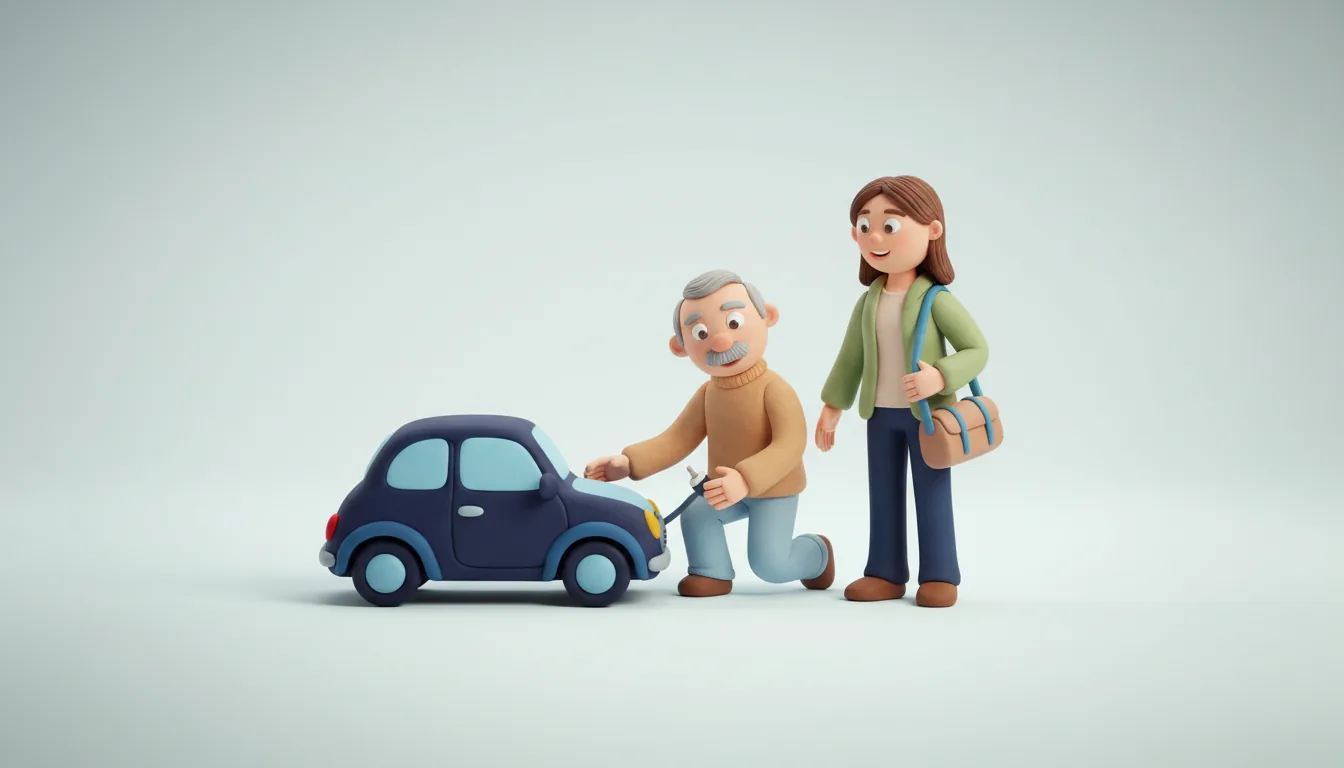
An example: every time Ruth visits her father, the last thing he does before she drives home is walk around her car. He checks the tires, wipes the headlights and asks when she last changed the oil. He has never been much of a hugger, and "love you" comes out of him maybe once a year. For years Ruth wished he were warmer. Then one rainy evening, watching him crouch by a back tire with a little gauge, she understood that the tire check was the warm part.
What counts as affection?
Affection is fondness you can see. A hug at the door is affection. So is a nickname, a message that says "saw this and thought of you," or tea made exactly the way someone likes it. Remembering that your friend had a hard appointment on Tuesday and asking how it went is affection too.
It sits close to love and appreciation, and the three blur together. Love is the feeling underneath. Affection is how that feeling shows up on an ordinary day. Showing appreciation is mostly about noticing and thanking, while affection is plain warmth, even on days when the other person did nothing at all.
Small ways to show affection every day
Affection works best in small, steady doses. Big gestures are lovely, but people feel cared for in the hundred small moments between them.
- Greet people properly. Look up from your phone when someone walks in. A real hello says "I'm glad you're here."
- Use their name, or a pet name. Hearing your own name said warmly feels good.
- Send a message for no reason. A photo, a joke or a single line, with no reply needed.
- Remember the small things. Their coffee order, their sister's name, the thing they were worried about last week.
- Make their favorite thing. A dish, a playlist, a cup of something hot.
- Sit close. Choosing the seat next to someone is a quiet kind of warmth.
- Say the warm thought out loud. "I like being around you" takes three seconds and stays with people for days.
Showing affection to a partner
In a relationship, affection can fade when life gets busy, and it is one of the easiest things to bring back.
Small rituals do a lot of the work: a hug when one of you comes home, holding hands on a walk or in the car, a note in a coat pocket, scraping the ice off their windshield before work. So does asking about your partner's day and listening to the whole answer, even the part about the printer.
Compliments count, especially ones about choices and character rather than looks alone. "You handled that call with your mom really well" can land deeper than "You look nice." Public affection is a personal thing. Some couples hold hands everywhere, and others save warmth for home. Talk about what feels right for both of you. If you see it differently, what PDA means in a relationship has ideas for finding a level you both like.
Our piece on making a partner feel loved year after year picks up where this section stops.
Affection with parents and grown-up siblings
Family affection can be the hardest to show, because the habits were set long ago. Many families aren't huggers, and some never say "I love you" out loud. As an adult, you can add a little more if you want to, without asking anyone to change overnight.
With parents, you could call without a reason, ask about their life before you were born, cook one of their recipes and tell them how it turned out, or help with a job around the house. With siblings, keep an old inside joke going, send a childhood photo, show up when it matters, and say the kind thing you'd normally only say at a wedding.
It helps to learn their way of showing it, too. Ruth's father was never going to write a card. Once she saw the tire check for what it was, she started to answer it. She now hugs him first, before he can get to the car.
Affection between friends
Adults are shy about affection with friends, even close ones, yet friends feel it just as much. A hug hello and goodbye, a voice note on a long drive, showing up for the move or the hospital visit, remembering the birthday without a reminder: all of these count.
Saying it in words matters too. "I'm really glad you're my friend" feels strange to say and wonderful to hear. Plenty of friendships between men run on teasing, a shoulder pat or a long drive together, and that is affection too, even if nobody calls it that.
When your partner isn't the affectionate type
This worries a lot of people, and the answer usually starts with seeing it differently. A partner who isn't very affectionate is often showing care in another way. People differ in how much touch and how many warm words feel natural to them, and those differences can go back to childhood. A different style is something to understand, and it doesn't need fixing.
A few things help:
- Notice what they do instead. Do they fix things, plan trips, make your coffee or remember every detail you tell them? That may be their warmth.
- Ask what affection looked like in their family. The answer often explains a lot, and the question itself is a warm one.
- Ask for something specific. "Could you hug me when I get home?" is easier to do than "be more affectionate."
- Meet in the middle. They can try one new small habit, and you can learn to read the ones they already have.
- Don't keep score. Counting hugs turns warmth into a test.
If a partner who used to be warm has gone cold suddenly, that is a different situation and worth a gentle, open talk about what changed.
How to be more affectionate when it doesn't come naturally
If you're the less affectionate one, you can still grow it without forcing yourself into someone else's style.
- Start with one small habit. One hug hello, or one warm sentence a day, is enough at first.
- Build on what you already do. If you show care by helping, add a single line: "I fixed the shelf because I like making things easier for you."
- Write it if saying it is hard. A text or a note counts just as much.
- Tie it to routines. Leaving the house and coming home are easy moments to remember.
- Ask what they'd like most. It saves guessing and shows you care.
It will feel awkward for a while, and then it won't.
How affection looks in different types
Some people hug everyone they meet. Others show love by checking your tires. Personality type explains part of that difference. Below are six of the 16 types and the way each tends to give warmth, kept in types page order:
- Harmonizer: shows affection through comfort, like a warm meal, a soft blanket and an easy evening at home.
- Vitalizer: open and expressive, with big hugs, loud welcomes and a party for your birthday whether you wanted one or not.
- Inspector: shows care by being reliable and keeping every promise. Warm words are rare, and they mean them.
- Guardian: deeply loyal to a small circle. Their warmth grows with trust, and they will defend you fiercely.
- Organizer: practical care. They fix, check and carry, and a quick look at your tires before a long drive is very much their style.
- Encourager: believes in you out loud, gets excited about your plans and sends the kind of message you save.
When two people of different types love each other, they often give the kind of affection they would like to receive, and miss what the other is offering.
See how warmth travels between you
If you and someone you love show warmth in different ways, Typeza's compatibility test can help you see why. You start alone, with 41 either-or choices about yourself. Your type and four base-trait bars show up the moment you finish, next to a free profile of your type, and no sign-up is needed for that part. To bring in your partner, a parent, a sibling or a friend, sign up for a free account and use the invite button on your result screen. The test is for ages 16 and up. Once both of you have answered, Typeza names the relationship type between you. It shows where your ways of caring line up and where one of you keeps missing the other's signals.
Questions people ask
How do you show affection without being physical?
Use words, time and small acts. Send a warm message, remember what matters to them, cook their favorite meal, listen fully, or simply tell them you're glad they're in your life.
What does it mean when someone isn't affectionate?
Usually that they show care in a different way, such as through practical help or reliability. Comfort with touch and warm words varies a lot from person to person and can come from how they grew up.
How can I be more affectionate with my partner?
Start with one small, regular habit, like a hug when you get home or one kind sentence a day. Ask your partner what they'd like most, and build on the ways you already show care.
Is it normal for a family not to be affectionate?
Yes, many families show love through food, help and showing up instead of hugs and words. As an adult you can add more warmth if you'd like, one small habit at a time.
What is verbal affection?
Verbal affection is care put into words, like "I missed you", a sincere compliment or telling someone you're proud of them. Physical affection is care shown through touch, such as a hug or holding hands. Many people lean toward one.
Written by Virko Kask, founder of Typeza
Written with the help of AI tools.
One question for two, every week
A question to ask your partner, friend or family, and how different types tend to answer it.
Free. Unsubscribe any time.