
National Hugging Day: when it is, and huggers vs non-huggers
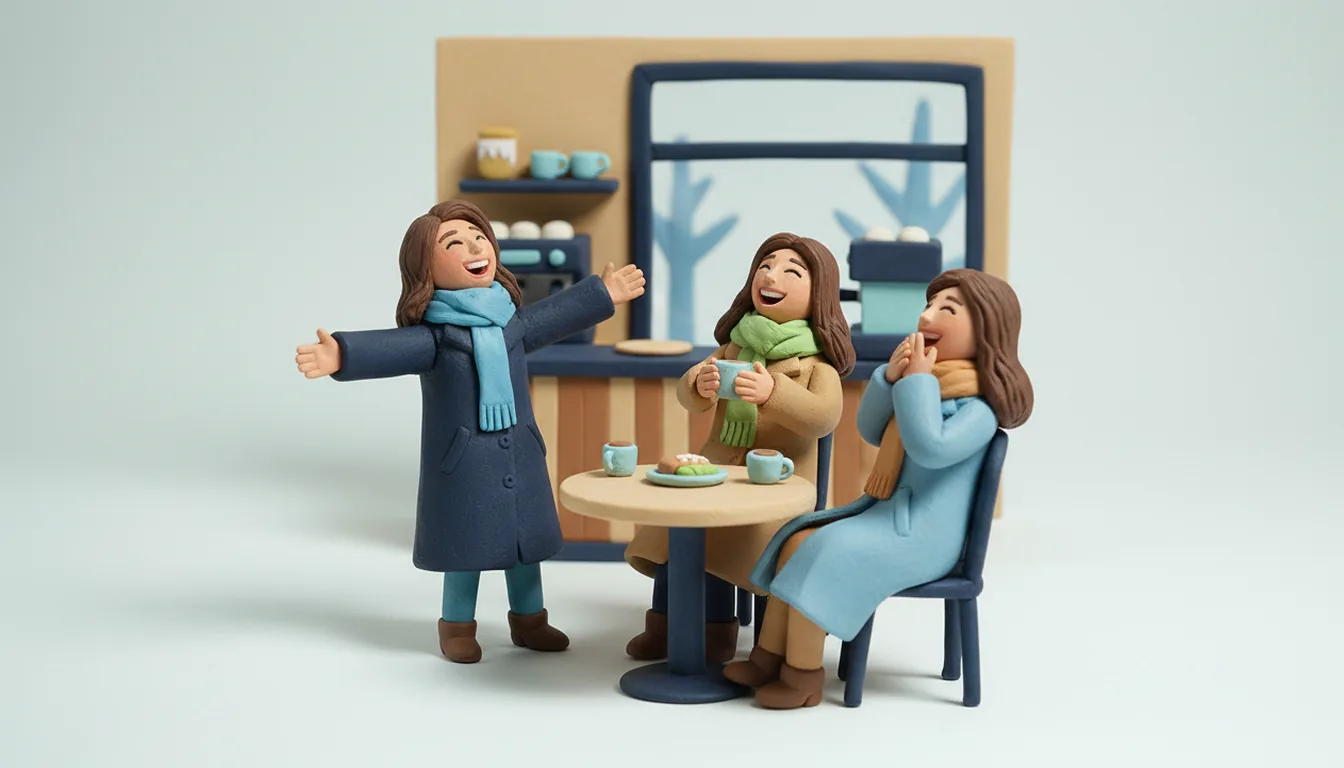
National Hugging Day is on January 21 every year. It's a small, unofficial day for giving the people you care about a hug, or a different kind of hello if hugs aren't their thing. Some people hug as easily as they say hi, and others would much rather wave. Neither kind cares less. It helps to know which kind of person you're greeting, and to ask when you can't tell.
An example: every January 21, Carla sends the same message to her friends: "Happy National Hugging Day, everyone is getting one." Carla hugs everybody. Friends, friends' parents, the woman who cuts her hair. Her oldest friend Ines doesn't. When the three of them meet at their café on Saturday mornings, Ines holds her coffee cup up in front of her like a little shield, and Bea laughs every time. For years Carla took it a bit personally. Then one morning Ines said it plainly: "I love you. I just don't love being squeezed." Now Carla gets a hand on the arm and a big smile, and Ines gets a hug on her birthday, by request.
The date, and where the day comes from
National Hugging Day falls on January 21, so the date stays the same every year. In 2027 it's a Thursday. The day started in Michigan in 1986, picked for the flat stretch after the winter holidays, and has stayed unofficial ever since, with no day off and no cards you have to buy. Many people call it National Hug Day, and it's the same day under a shorter name.
If today is January 21, then today is National Hugging Day. People mark it with an extra hug at the door, a long hug for a partner, a call to a friend who lives too far away to hug, or an old photo of a group hug posted for friends to find.
Huggers and non-huggers
Huggers hug hello and goodbye. They hug friends of friends at a party, they hug after good news and after bad news, and a visit can feel unfinished to them without one. To a hugger, a hug is how you say "I'm glad you're here."
Non-huggers feel their shoulders go up when someone opens their arms. They'd rather shake hands, wave or give a quick pat on the back. Many of them hug a few people, like a partner, a parent or one close friend, and keep everyone else at a friendly distance. Ines would hug Bea after a funeral. She wouldn't hug Carla's new coworker at a birthday dinner.
Many people sit somewhere in between. They hug close friends and not acquaintances, or they hug on big days and skip it on ordinary ones. Where you sit can also change with your mood and with how tired you are. Couples face the same question about touch in public, and PDA in a relationship looks at how two people agree on it.
Why a hug feels easy to one person and stiff to another
A lot of it goes back to the home you grew up in. Some families hug at every door, and kids from those homes reach for a hug without thinking. Others show love with food, rides to the airport and practical help, and a hug there is something saved for weddings. As adults, people tend to carry their family's habit with them until they choose a different one.
The person matters too. Many of us hug easily with someone we trust and freeze a little with someone we've just met. Then there's energy. A person who has spent the whole day talking to people may want room more than closeness by evening, and that's common among people who lean toward introversion. A hug they would enjoy on Saturday morning can feel like too much on Friday night.
So when a friend steps back from your hug, it rarely says anything about how they feel about you. It says more about their history and their day.
Which types tend to hug first
Personality type explains part of the difference. Here's how six of the 16 Typeza types often handle a hug, in the order of the types page:
- Harmonizer gives soft, warm hugs to the people they know well, and they notice when someone needs one before a word is said.
- Vitalizer is the Carla of many friend groups. They hug everyone, loudly, and January 21 was made for them.
- Analyst often finds hugs a little awkward, especially with people they don't know well. A nod and a real question about your week is their version.
- Mentor hugs with feeling when a moment means something, like a reunion or a big piece of news, and may hold on for a while.
- Strategist keeps their space and warms up slowly. Once you're close, a short hug from them carries a lot.
- Guardian saves hugs for a small circle of people they trust, and when they hug you, they mean it completely.
Knowing a friend's type won't tell you exactly what they want on a given day. It does give you a fair guess about who will open their arms and who will hold up a coffee cup.
How to ask for a hug without making it awkward
Asking takes two seconds, and it saves a lot of stiff moments.
- Open your arms and wait. Let the other person step in. If they don't, drop your arms and say hello.
- Ask lightly. "Hug?" said with a smile is easy to answer either way.
- Offer a choice. "Hug or high five?" lets a non-hugger say no without feeling rude.
- Read the signs. A step back, crossed arms or a bag held in front of the chest means not now.
- Keep it short. If you're not sure how welcome it is, a quick hug beats a long one.
- Take a no well. Smile, say hi another way and don't make a joke of it in front of others.
When a friend or relative is not a hugger
If you love hugs, start by letting go of the idea that a hug is the only proof of warmth. Ask your friend what their version of hello is, and use it. A fist bump, a hand on the arm, sitting close, a cup of tea made exactly the way they like it, or a warm line said out loud can all mean what a hug means to you. The page on how to show affection has more ideas for people who show warmth without touch.
With relatives, it helps to say it once and kindly, away from the crowd. "I'm not a big hugger, but I'm really happy to see you" goes over better at the door than stiff arms.
If you're the non-hugger with a family of huggers, you have options too. Offer your hand first, so there's something to take. Step in for a quick side hug if that feels easier than a full one. Or warn your favorite aunt with a joke before the holidays. Many huggers are relieved to know what you'd like.
Ways to celebrate the day
For huggers, the day is an excuse to be generous. Give your partner a hug that lasts longer than usual. Hug a parent you only see a few times a year. Start a group hug at dinner if everyone at the table is in.
For friends who aren't huggers, send something warm instead. A message that says "this is your hug for the year" or a photo from a trip you took together reaches them without asking for anything back. If your best friend lives far away, call them. A long talk is a good stand-in for a hug, and it suits both kinds of people.
See why one friend hugs and another waves
Close friends can greet each other with a bear hug or a small wave, and type explains a lot of the gap. Start with the free friendship compatibility test. Then pass your result's link to the friend whose hello looks nothing like yours. When you have both answered, your relationship type describes what two friends like you usually find easy together and where you tend to see things from different sides.
Questions people ask
What day is National Hugging Day?
January 21, every year. The date doesn't move, so it lands on a different weekday each time.
Is National Hug Day the same as National Hugging Day?
Yes. They're two names for the same day, January 21.
Where did National Hugging Day come from?
A college student in Michigan started it in 1986. He chose late January because people tend to feel low after the winter holidays. It isn't an official holiday.
Is it rude not to hug people?
No. Plenty of warm people don't like hugs. A smile, a handshake or a kind word is a polite hello, and saying you're not a hugger is fine.
Sources
- National Today, "National Hugging Day". January 21, started in 1986 in Clio, Michigan, by Kevin Zaborney, and why he picked late January.
Written by Virko Kask, founder of Typeza
Written with the help of AI tools.
One question for two, every week
A question to ask your partner, friend or family, and how different types tend to answer it.
Free. Unsubscribe any time.