
Ignorance is bliss: what it means, and when not knowing really helps
Ignorance is bliss means that some things are easier not to know. If a fact would only spoil a pleasure or bring worry, and knowing it wouldn't let you change anything, you may be happier without it. The words come from the English poet Thomas Gray. In a poem written in 1742, he watched young people at play who had no idea of the troubles ahead of them, and he ended it with the words "where ignorance is bliss, 'tis folly to be wise."
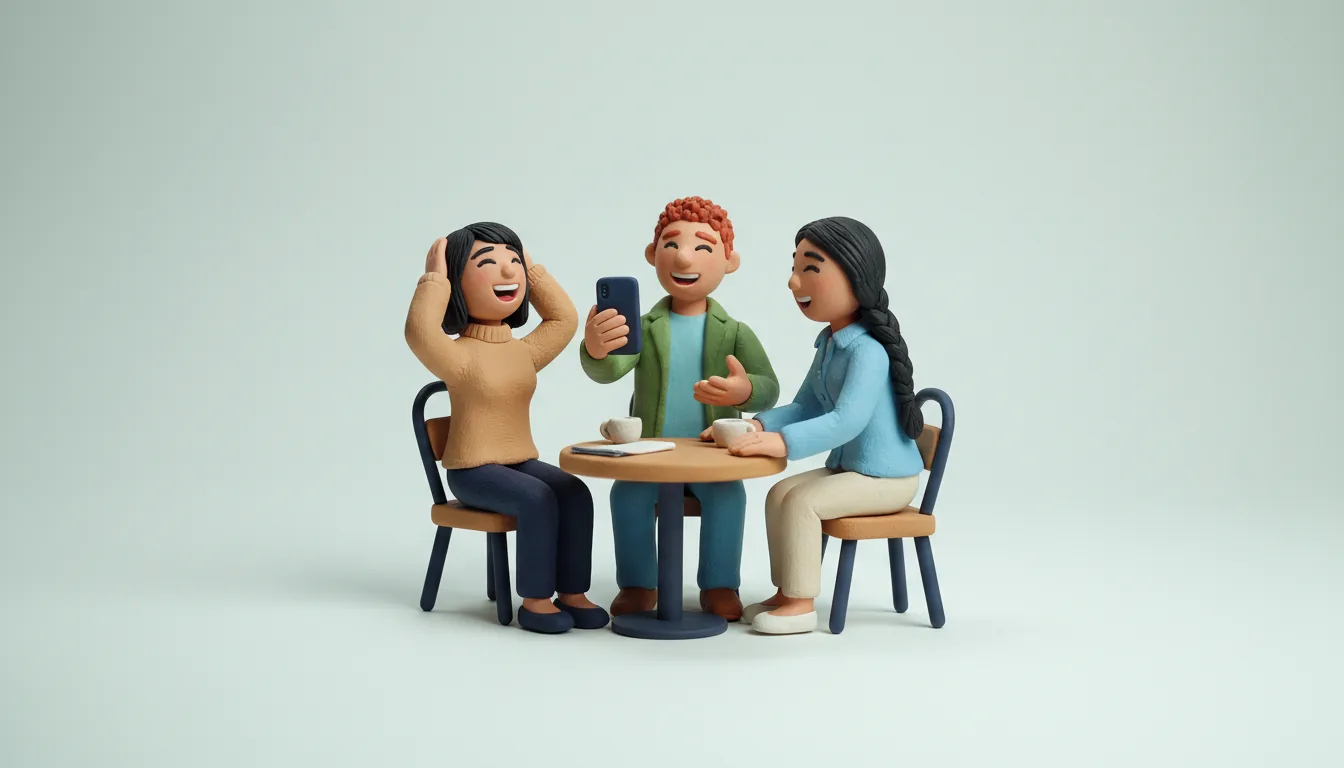
An example: Mina, Arlo and Sadie meet at the same café most Fridays. This week Arlo walked in grinning. He'd watched the finale of their favorite baking show the night before on his sister's account, a day before it reached anyone else. He held up his phone as if the winner's name were printed on it. Mina put both hands over her ears and laughed. "Don't you dare. I've waited ten weeks for this." Sadie leaned across the table. "Tell me. I can't stand not knowing, and I'll still watch it." In the end Arlo wrote a name on a napkin, folded it and slid it over to Sadie. Mina watched the finale that night and gasped at the last cake like everyone else in her living room.
Blissfully unaware, and other ways to say it
Often people use the saying as a light shrug. "I didn't ask what the repair cost. Ignorance is bliss." It also comes in a few related forms.
- Blissful ignorance is the happy state itself, like a weekend away with no idea what's waiting in your inbox.
- Blissfully unaware describes someone who doesn't know about a small problem and is fine because of it. "He was blissfully unaware of the paint on his elbow."
- What you don't know can't hurt you is a similar saying, though it claims more than the original.
- 'Tis folly to be wise is the second half of Gray's line. It means it's foolish to go looking for knowledge that will only make you unhappy.
The saying can also have an edge when it's said about someone who avoids a problem they should face. "Ignorance is bliss, right up until the bill arrives."
A surprise you'd rather not spoil
Some joys depend on not knowing. If a friend is planning something for your birthday, you might notice the group chat going quiet when you walk in and decide not to ask. If a gift-shaped box turns up in the hall closet, you can close the door again. A surprise only works once, and choosing not to find out keeps it whole.
The same goes for whoever holds the secret. Planning a surprise is fun partly because the other person has no idea, and their face on the day is the reward.
Spoilers, scores and endings
A finale, a match you recorded to watch later, the last chapter of a mystery. For many people, knowing the ending ruins the story, and an hour of not knowing is the whole point.
Others feel the opposite. They read the last page first, look up the score before pressing play and still enjoy the story, sometimes more, because they can relax and watch how it gets there. Neither way is wrong. The trouble only starts when one kind of person shares a couch, or a group chat, with the other.
Small worries you can't change anyway
Then there are facts that would change nothing except your mood.
- The hotel is paid for and the trip is next week, so reading every bad review now only spoils it.
- The sofa you bought went on sale the week after. Checking the price again won't bring the money back.
- A forecast for a picnic ten days away is mostly a guess, and checking it daily changes nothing.
- You could work out how many people saw the typo in your message, but they've already forgotten it.
Here, not knowing really is a kind of peace. Sometimes friends give you that peace on purpose, with a small kind word about a haircut or a dinner, the sort of thing white lies are mostly made of.
When not knowing costs you later
Ignorance stops being bliss when the thing you don't know keeps growing. Maybe your sister has been hurt by a joke you made at a family dinner, or a brown stain is spreading across the ceiling. A letter from the landlord can sit unopened on the counter for a week, and a partner can say "fine" for three weeks in a row. Each of these is easier to face early.
A useful test is whether you could still do something about it. If you could, you probably want to know, even if it's unpleasant. The same works in reverse. If you know something a friend would want to know, and they still have time to act on it, telling them gently is usually the kinder choice. Honesty is the best policy goes into when that holds and when tact matters more.
Why some types want every fact
Sadie wants the name on the napkin. Mina would rather walk out of the room. Part of that has to do with personality. Here's how eight of the 16 types tend to feel about not knowing.
- Ideator is curious about almost everything, though more about ideas than about scores. They'll happily hear a spoiler if it leads to a good debate about the show.
- Harmonizer values a calm, pleasant mood and will often skip news that would spoil a good evening.
- Analyst wants the full picture and gets restless with half of one. Not knowing how something works can bother them for days.
- Inspector likes facts to be accurate and settled. An open question, like who won the finale, feels unfinished.
- Dreamer often senses how things will turn out before anyone says it, and may prefer to keep a pleasant mood a little longer.
- Diplomat enjoys being the one who knows, and has fun deciding when to share it.
- Strategist wants to see what's coming so they can prepare. A surprise is fine, but a risk they weren't told about is not.
- Counselor cares about how people really feel and would rather hear an uncomfortable truth about a friendship than live with a pleasant guess.
People who want every fact are often the same people who tell every fact, which can come across as brutally honest to those who would rather not know.
Ask how much they want to know
When you hold the news and you're not sure, ask. "Do you want the score or not?" "Do you want the details, or just whether it went well?" A few seconds of asking saves a lot of spoiled evenings.
In a group, agree on a rule before the finale, like no spoilers in the chat until Sunday. If you're the one who'd rather not know, say so early and plainly, so friends know where you stand. And if the news really matters to someone, tell them, even if they'd rather not hear it. Choose a quiet moment and keep it simple.
The napkin on Friday night
The next Friday, Sadie admitted she'd read the napkin before she even left the café. Mina couldn't understand how anyone could do that and still enjoy the show.
Find out if your type wants to know
Wanting every fact up front, or keeping the ending a surprise, is partly a matter of type. Whichever kind you are, the free personality test names your type, along with your strong points and what tires you. Send your result's link to the friend who always wants the spoiler. When they are done, both of you have a page on your relationship type, about why you click and where small things might still start an argument.
Questions people ask
What does ignorance is bliss mean?
It means some things are easier not to know, because knowing would only bring worry or spoil a pleasure, and you couldn't change anything anyway.
What is the full ignorance is bliss quote?
"Where ignorance is bliss, 'tis folly to be wise." In other words, when knowing would only make you unhappy, it's foolish to go looking.
Who said ignorance is bliss?
The English poet Thomas Gray, in a poem written in 1742. The phrase comes from its last two lines.
What does blissfully unaware mean?
Someone who is blissfully unaware doesn't know about a problem, usually a small one, and is happy because of it.
What is the opposite of ignorance is bliss?
Sayings like "knowledge is power" and "forewarned is forearmed" say the opposite: knowing more helps you prepare and choose well.
Sources
- Thomas Gray Archive, "Ode on a Distant Prospect of Eton College". Written at Stoke in August 1742, first printed in 1747, with the full text.
- Wikipedia, "Thomas Gray". Gray as the source of "where ignorance is bliss, 'tis folly to be wise".
Written by Virko Kask, founder of Typeza
Written with the help of AI tools.
One question for two, every week
A question to ask your partner, friend or family, and how different types tend to answer it.
Free. Unsubscribe any time.