
Why are people mean? What is behind it, and what only looks mean
People are mean for a handful of ordinary reasons. They're stressed or tired, they feel threatened or small, they grew up around sharp talk, or they don't stop to think how their words will land. Real meanness means hurting someone on purpose, or not caring when you have. Plenty of what feels mean turns out to be something else, like bluntness, a short reply from someone busy, or a way of talking that is normal in one family and harsh in another. Telling the two apart saves hurt on both sides.
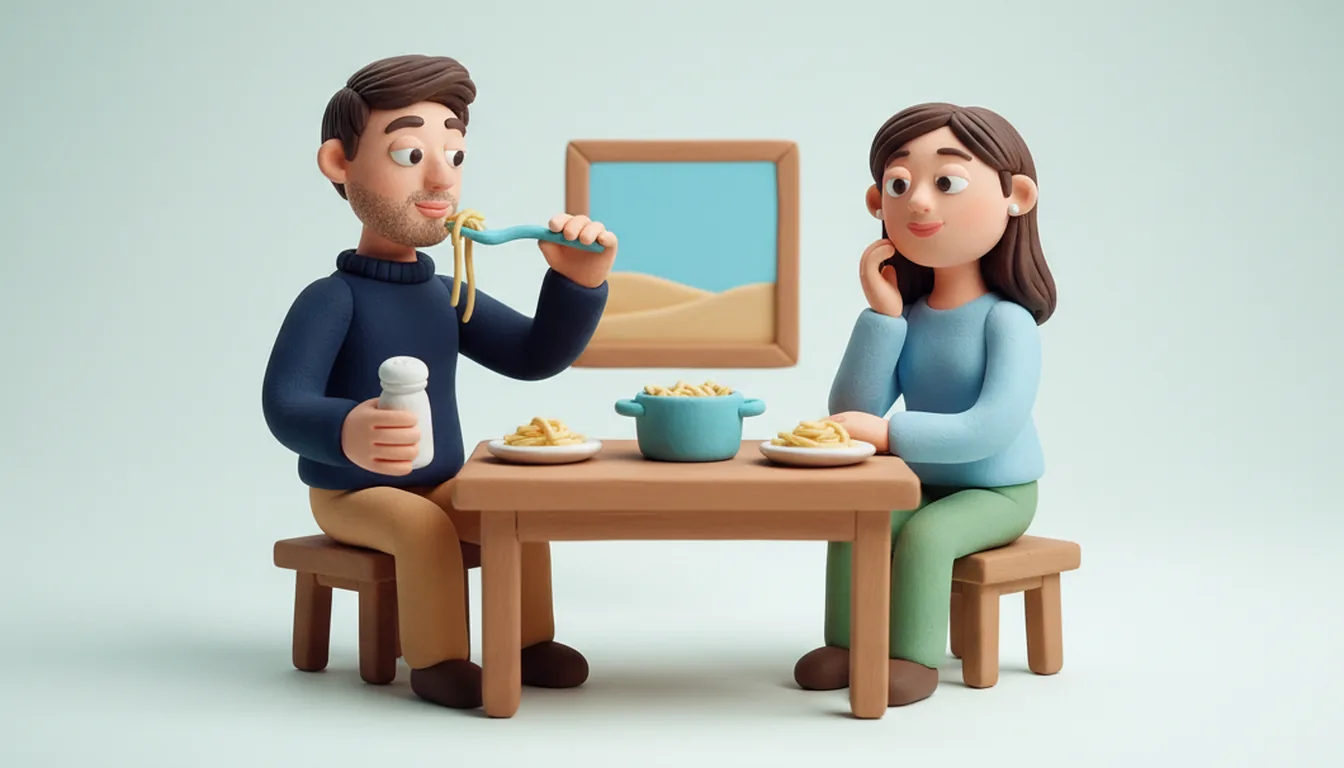
An example: Leah had made pasta from scratch for the first time in her life. Her partner Ben took a bite, chewed for a long moment and said, "It's good. Needs salt." Then he reached for the shaker. Leah put her fork down. It had already been a long day. That morning a man had walked through the coffee shop door she was holding open without even looking at her. At lunch her sister had answered a photo of her new haircut with one word: "Bold." And now this. "Why is everybody so mean today?" she asked. Ben looked lost. "I said it was good," he said. "You asked me."
What does a mean person look like?
One sharp remark doesn't make someone a mean person. Meanness is a pattern. A mean person puts others down to feel bigger, enjoys someone else's discomfort and keeps going after being told it hurts. They laugh at people, and rarely with them. They're often pleasant to the people they need and unpleasant to the ones they don't, like a waiter, a younger cousin or a stranger in line.
Rude is something else. Rude is about manners: forgetting to say thank you, talking over people, ignoring the person holding the door. Many rude people are careless more than cruel. Unkind is broader still, and anyone can have an unkind moment on a bad day. A mean person has a lot of those moments, and seems to like them.
Everyday reasons people turn sharp
Much of the meanness in daily life has a plain cause. Knowing the cause doesn't excuse it, but it does make the remark feel smaller.
- Stress spills over. Someone worried about money, a sick parent or a hard week has less patience left for everyone else. The sharp word is about their day.
- Tired and hungry. Plenty of people are noticeably snappier at seven in the evening before dinner than at ten in the morning.
- Feeling small. Putting someone else down is a quick way to feel bigger. People who expect to be judged often judge first.
- Envy. A friend's good news can bring out a dig in someone who wanted the same thing.
- Habit from home. In some families, hard teasing is how love gets shown. People raised that way can sound harsh without meaning harm.
- The group's tone. People pick up how their friends talk. In a group where everyone roasts everyone, a newcomer can feel attacked when they're actually being welcomed.
Things that sound mean and usually aren't
This is the half people skip. A lot of remarks that sting were never meant to.
- Bluntness. Some people answer the exact question you asked. "Needs salt" is information to them, with no verdict on you attached.
- Short texts. A one-word reply often means busy, not cold.
- A still face. Some people barely move their face when they listen, and that can look like disapproval.
- Dry humor. A deadpan joke can sound like a jab until you know the person.
- Disagreement. For some people, arguing with your idea is a form of respect. They wouldn't bother if they didn't take you seriously. Someone with a contrarian personality may also argue partly for the fun of it.
- Silence. A quiet friend may be thinking, shy or just tired.
Being nice and being kind are two separate things here. A blunt person may not be very nice, yet still be very kind, and kind vs nice shows how often the two part ways.
Mean, or just a different style? Five questions
When a remark stings, go through these before you decide.
- Is it about you, or about the topic? "That plan won't work" is about the plan. "You never think things through" is about you.
- Do they talk this way to everyone? If your blunt uncle is blunt with the whole table, that's his style. If he saves it for you, something else is going on.
- What happens when you say it hurt? Many people with a different style are surprised and soften. A mean person shrugs, mocks you or does it again.
- Do they seem to enjoy it? A smirk, an audience, a retelling later for laughs: these point to meanness.
- Do they show up when it matters? A friend who teases you all year and then drives you to the emergency room at 3 a.m. is a good friend with a sharp tongue.
If most answers point to style, the fix is a conversation. If most point to meanness, the fix is more distance.
Why one person's honest remark is another's insult
Part of the gap comes from personality type. Each type has its own sense of what normal talk sounds like, so one sentence can be plain to one person and harsh to the next. A few of the 16 types show how that plays out:
- Ideator: questions everything, your idea included, purely out of curiosity. To a more sensitive listener it can sound like "your idea is bad."
- Harmonizer: cares about a peaceful room, so a sharp tone hurts even when the words themselves are fair.
- Analyst: corrects a wrong fact because getting it right matters to them. They almost never mean it as a put-down.
- Commander: talks fast and decides fast, and a suggestion from them can come out sounding like an order.
- Entrepreneur: gives an honest assessment to help, and can forget to start with the good part.
- Counselor: hears the feeling under the words. A cold sentence lands harder on them than on most people, and it stays with them.
Ben sounds a lot like the Analyst, and Leah is closer to the Counselor. Neither one is mean. They hear "needs salt" in two different ways.
What to do when someone is mean to you
- In the moment, name it lightly. "Ouch" or "I think that came out sharper than you meant" gives a decent person room to fix it.
- Ask what they meant. "Do you mean the haircut doesn't suit me, or that it's a big change?" often turns a jab into a real answer.
- Don't answer sharp with sharp. It rarely works, and you usually feel worse afterward.
- Talk later, in private. Tell the friend or relative how the remark landed, once, without bringing up a list of old complaints.
- With strangers, let it go. The man at the door will never know, and carrying it around all day only costs you.
- With someone who keeps doing it, step back. See them less often, in groups, or for shorter visits.
If small remarks tend to stay with you for days, the habits in how to not take things personally are a good next read.
Why does it feel like everyone is mean to me?
On some days, like Leah's, every remark seems to sting. That's often about the day more than the people in it. When you're tired or worried, a neutral sentence sounds harsher, and three small things in a row start to feel like a pattern. Before you decide that people are mean, replay the same remarks after a good night's sleep. If some still sting, notice which ones, and who said them.
What "Bold" meant
The next weekend Leah asked her sister what "Bold" had meant. "That it was brave and I loved it," her sister said, surprised she'd asked. Leah wanted to know why the two of them keep missing each other like that.
Find out why you and someone close keep missing each other
A remark one person means as warm can land as cold with another, and the gap between two types often explains it. The free compatibility test tells you which type you are. Send the person you keep misreading the link from your result. Once they have answered, you both read your relationship type, which describes what flows easily between two people like you and where friction usually starts.
Questions people ask
Why are people mean to nice people?
Nice people often don't push back, so someone who likes feeling bigger sees them as an easy target. Calm, clear limits make the meanness less rewarding.
Why are some people mean for no reason?
There's nearly always a reason, but it's usually about them: stress, a bad day, feeling threatened or a habit from how they grew up.
How do you deal with mean people?
Name the remark lightly, ask what they meant, and if it keeps happening, spend less time with them. Answering meanness with meanness rarely helps.
What do you call a mean person?
Common words are unkind, nasty, spiteful or cutting. For someone who's mostly blunt, "direct" or "harsh" fits better.
Is being blunt the same as being mean?
No. Blunt people say things plainly, while mean people want the words to hurt. A blunt person usually softens once they learn a remark landed badly.
Written by Virko Kask, founder of Typeza
Written with the help of AI tools.
One question for two, every week
A question to ask your partner, friend or family, and how different types tend to answer it.
Free. Unsubscribe any time.